School Data
Address:
Website:
Year Built:
Year Modernized:
Student Population (2025-2026):
Capacity:
Grade Levels:
Number of Classrooms:
Site Acreage:
Number of Portables:
Existing Site Conditions
Gilroy High School is an aging campus with core facilities constructed in the late 1970s. While the campus remains operational, most buildings and site elements show significant deterioration and no longer meet contemporary standards for educational delivery, safety, accessibility, or programmatic flexibility. While the campus is a comprehensive high school and consists of permanent and portable classroom buildings, outdoor athletic facilities, Career Technical Education (CTE) spaces, and support facilities. Many of these areas lack the functionality and capacity required to support current programs and educational needs.
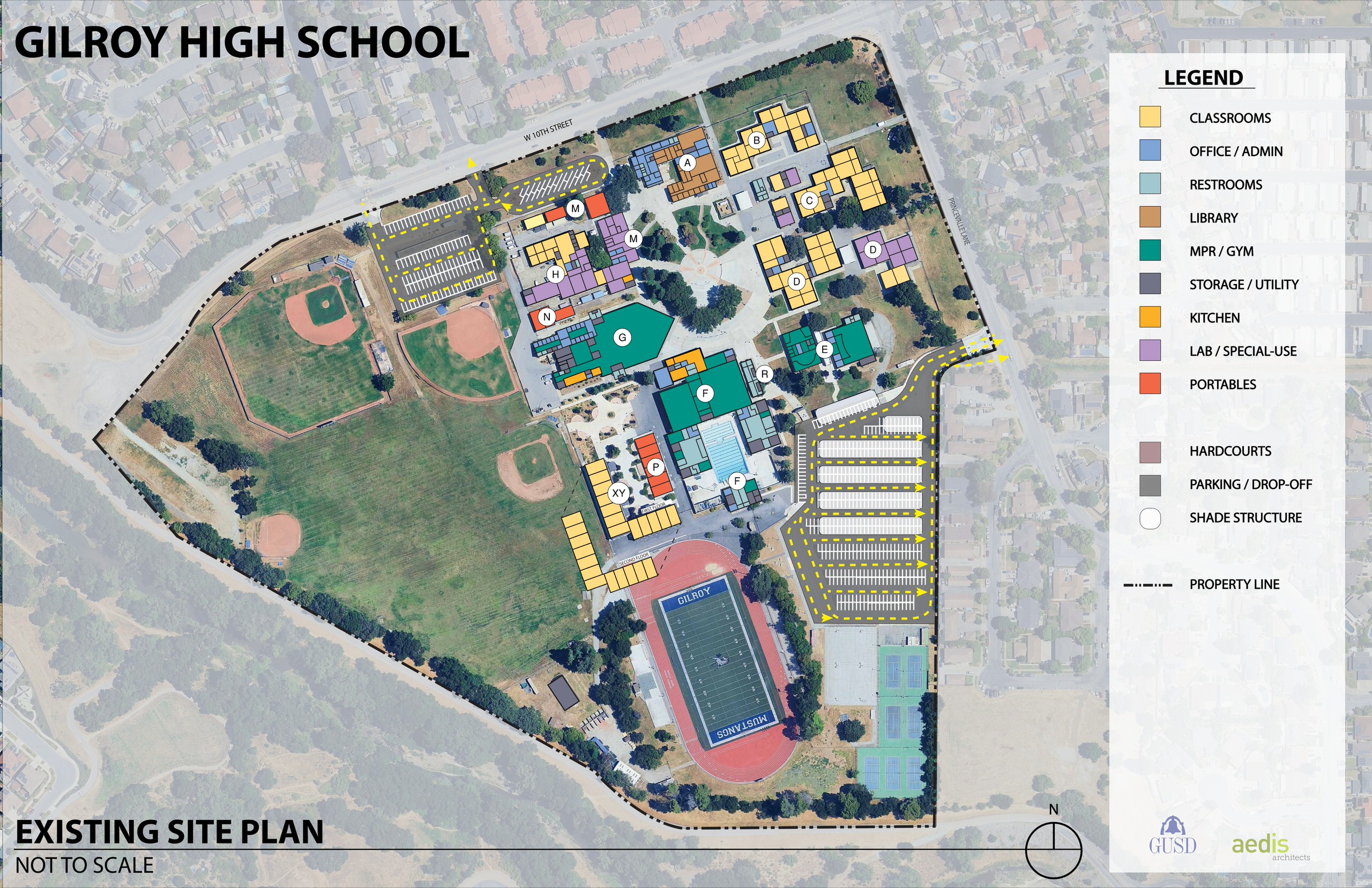
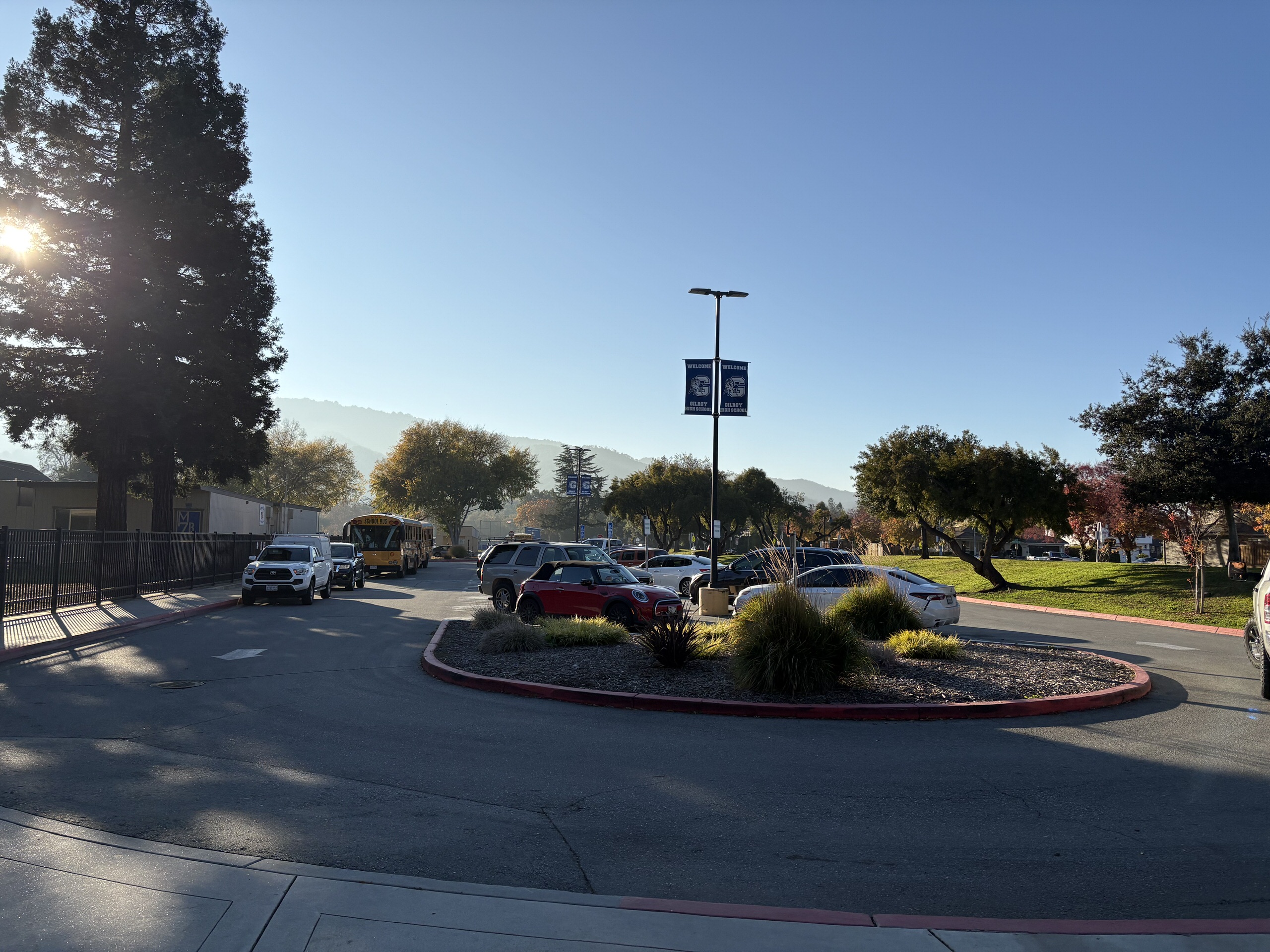
Primary vehicular access is located at the rear of campus along Princevalle Street, where the main parking lot and student drop-off zone directly connect to the outdoor athletic facilities. A secondary visitor lot, accessed from West 10th Street, serves the administrative entry. Overall, the existing circulation pattern is fragmented and inefficient, requiring comprehensive redesign.
Site & Outdoor Areas
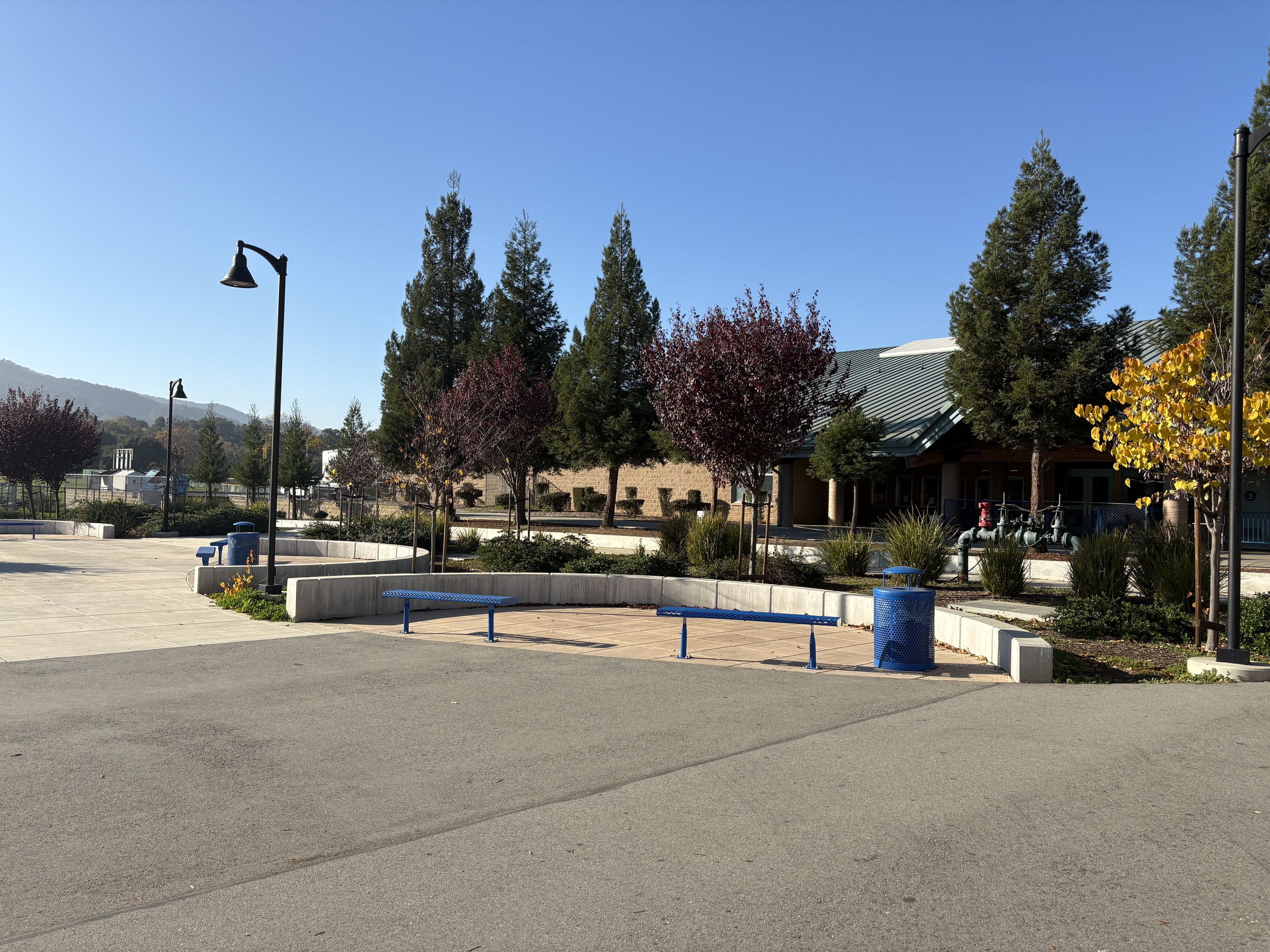
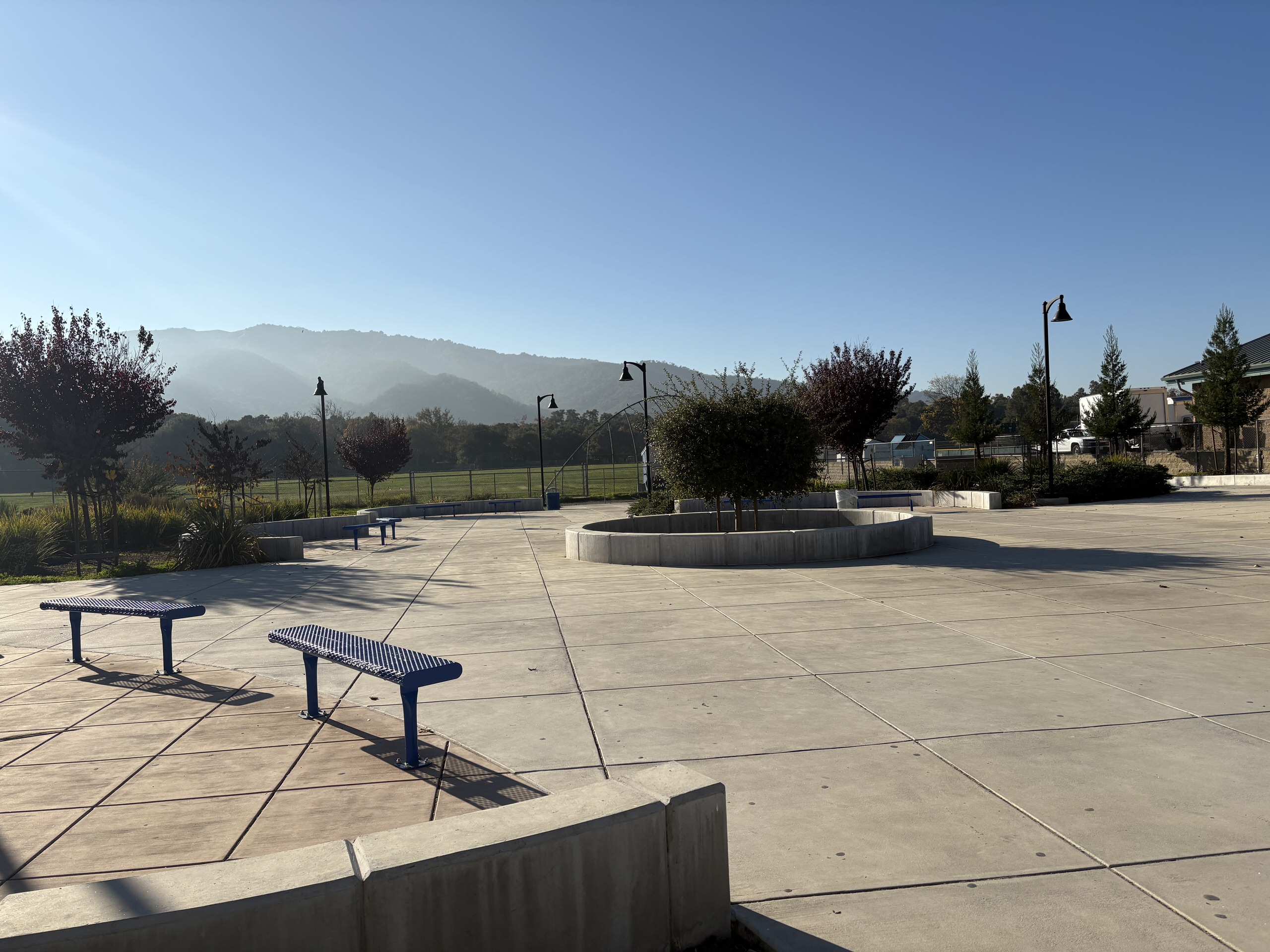
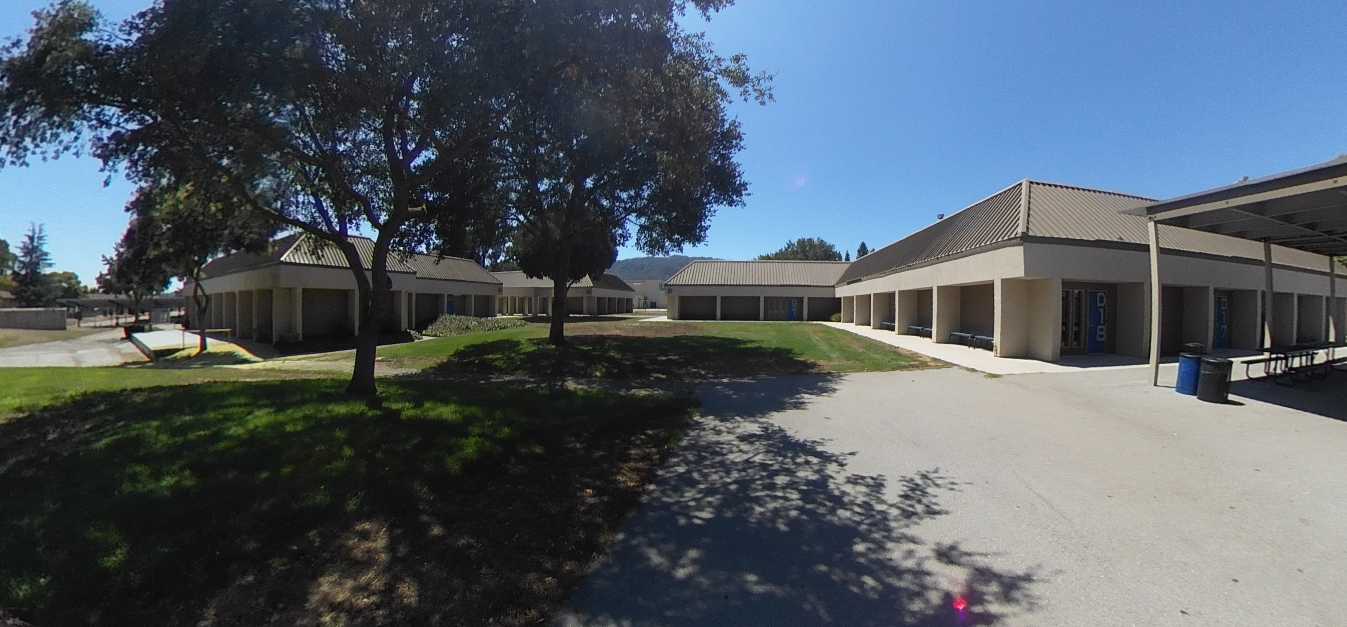
The campus site includes a central quad featuring lawn and mature shade trees arranged radially, with concrete walkways connecting adjacent classroom buildings, the student center, and athletic facilities. Supplemental trees and small courtyard areas are located between buildings and along the campus perimeter, though the overall site remains predominantly hardscaped and lacks adequate shade structures.
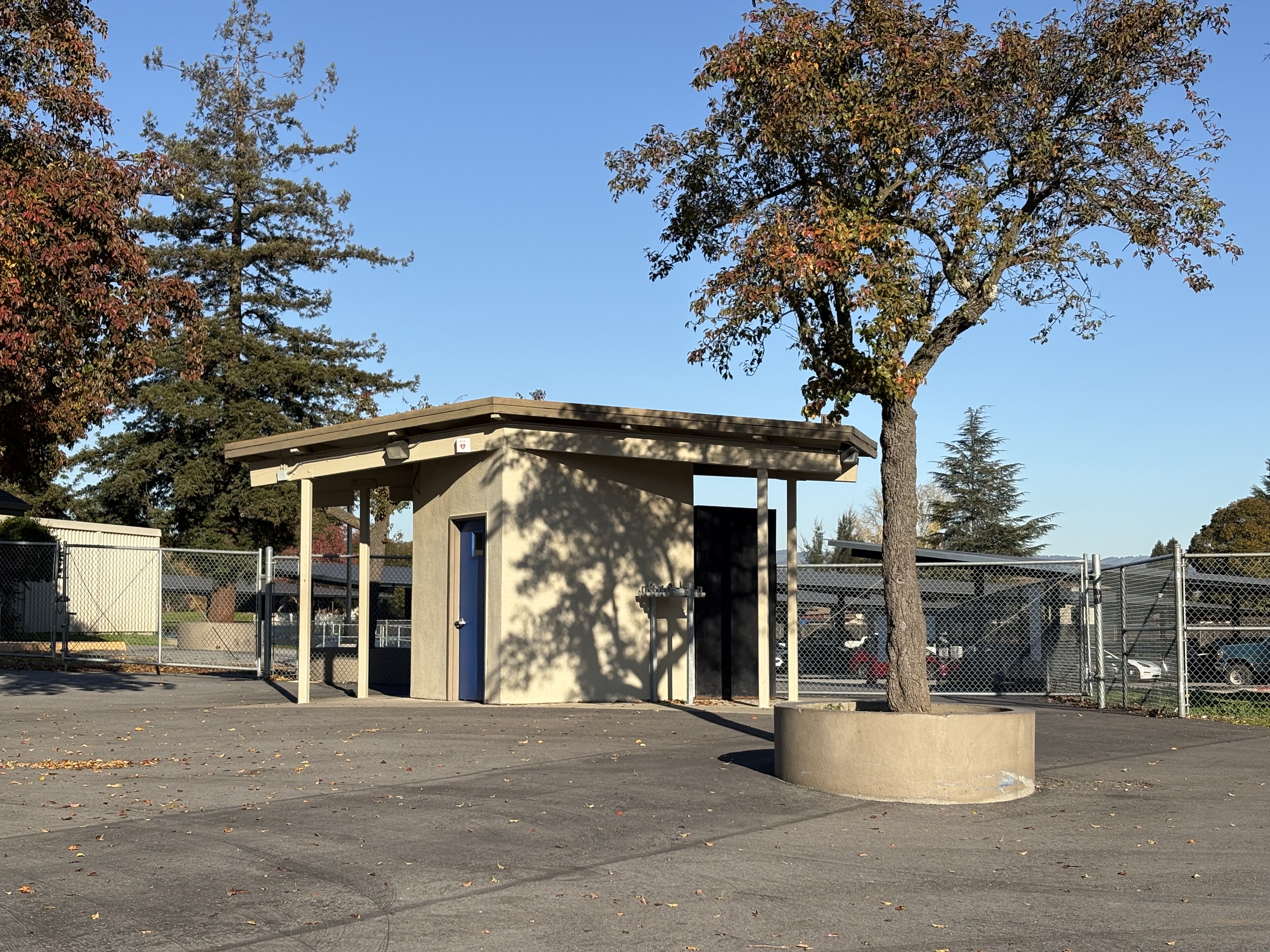
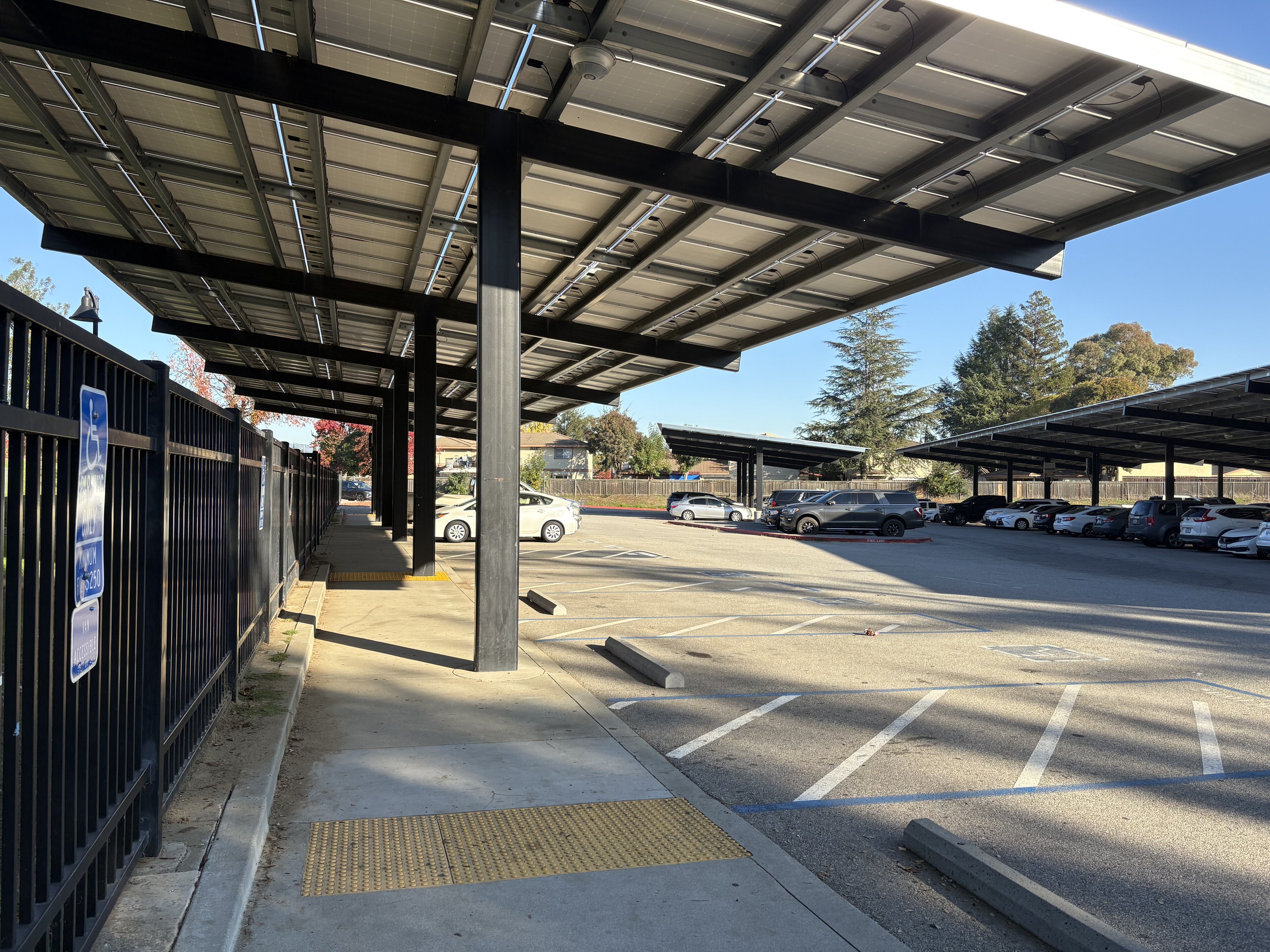
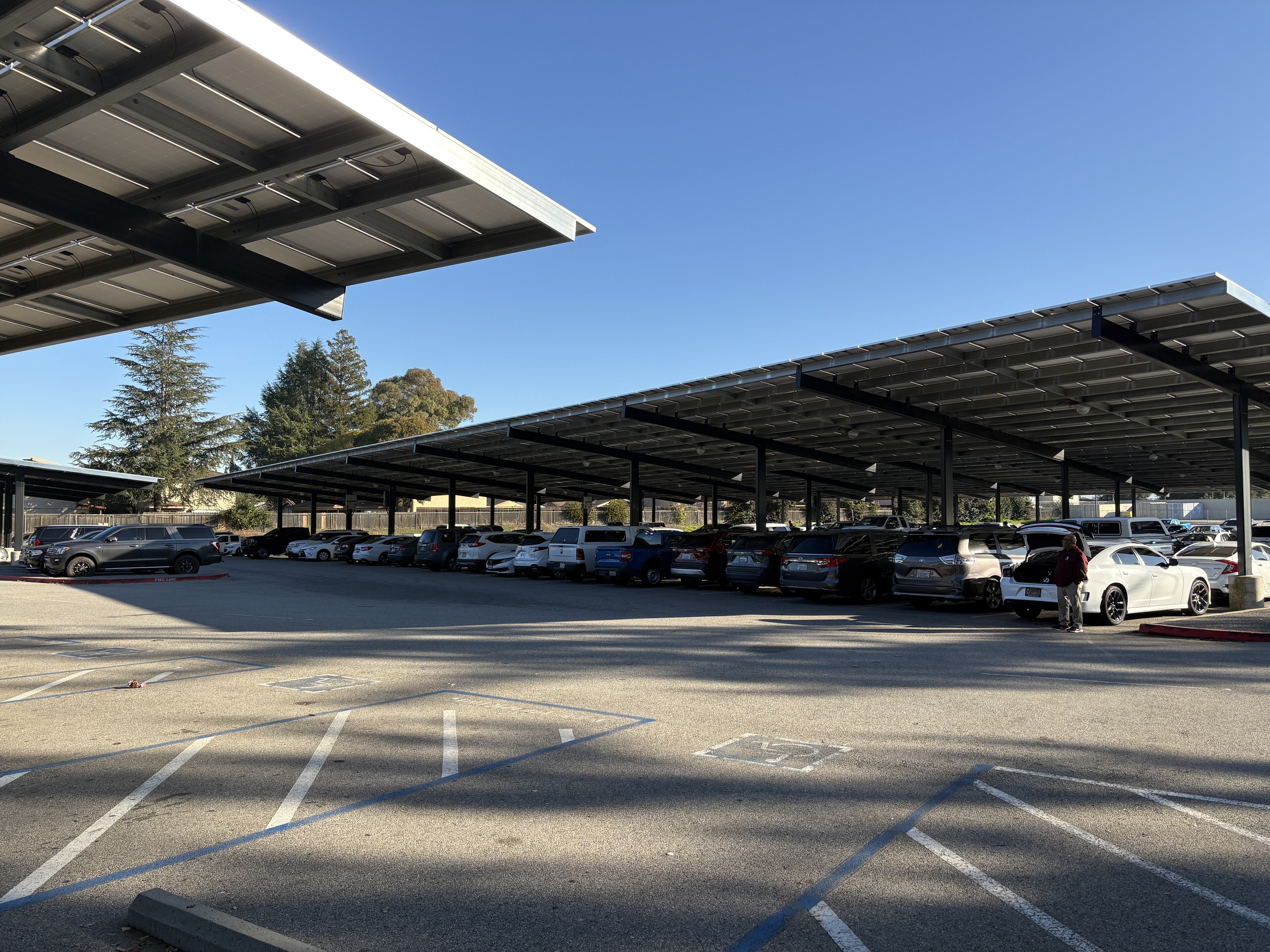
Landscape areas exhibit poor irrigation performance, and hydration stations are limited campus-wide. The main student parking lot along Princevalle Street contains large solar panel structures, while a smaller staff and visitor parking area provides access to administration from West 10th Street. Vehicular circulation, site access, and drop-off functions are insufficiently defined and require reconfiguration to improve safety and visibility of the main entrance.
Outdoor Athletics & Gymnasium
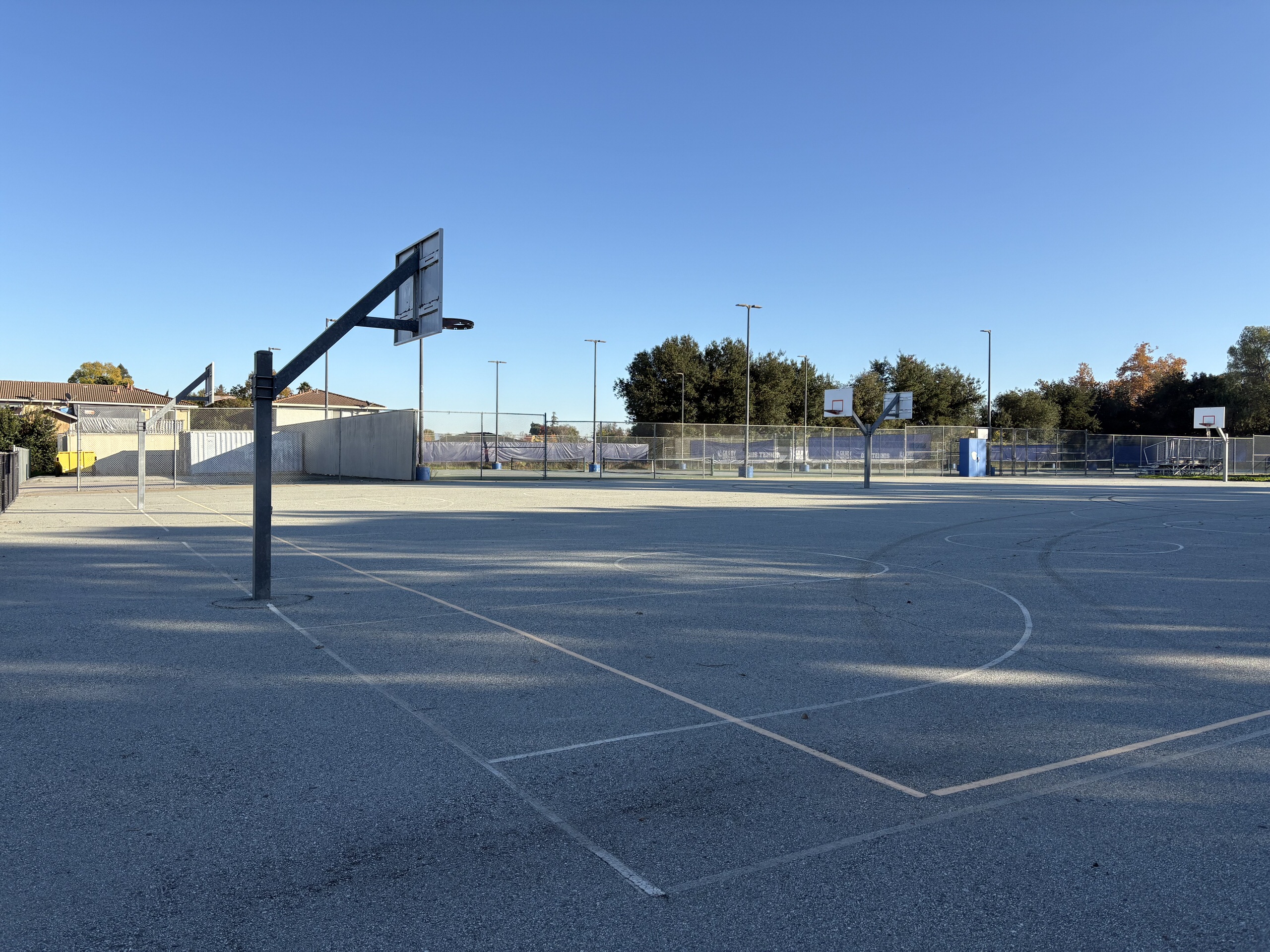
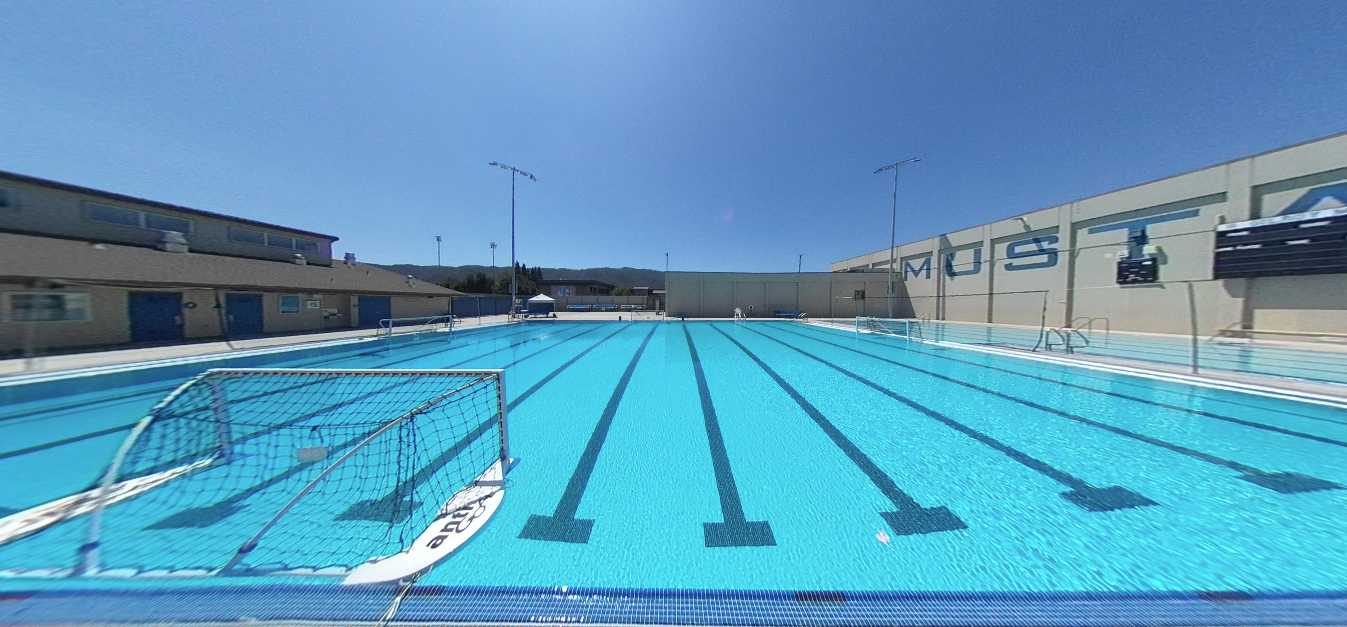
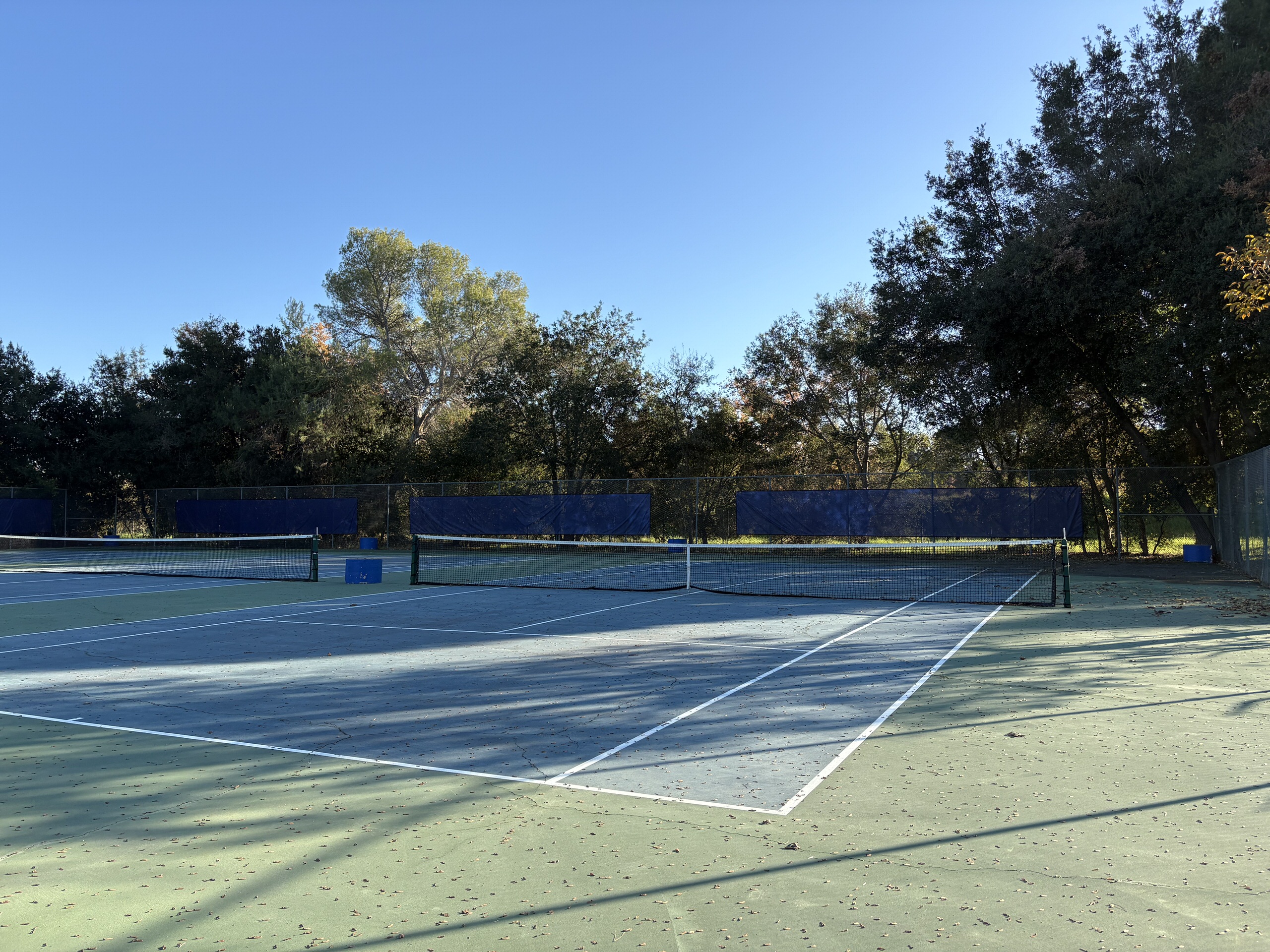
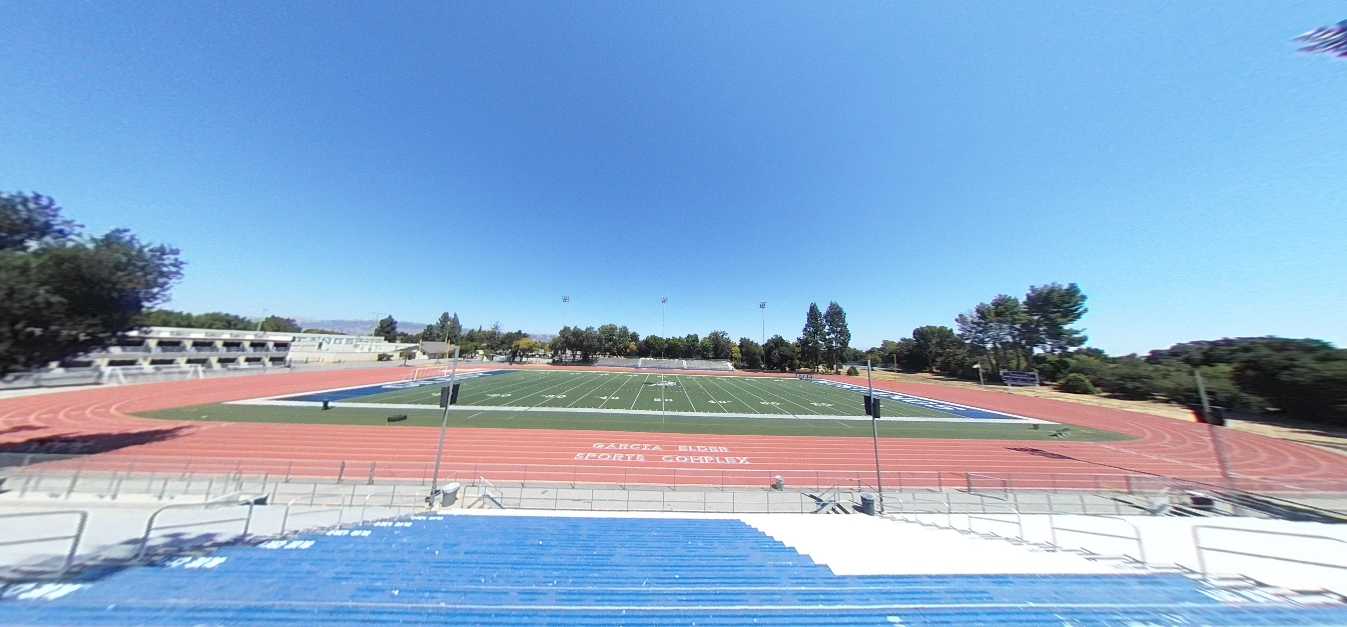
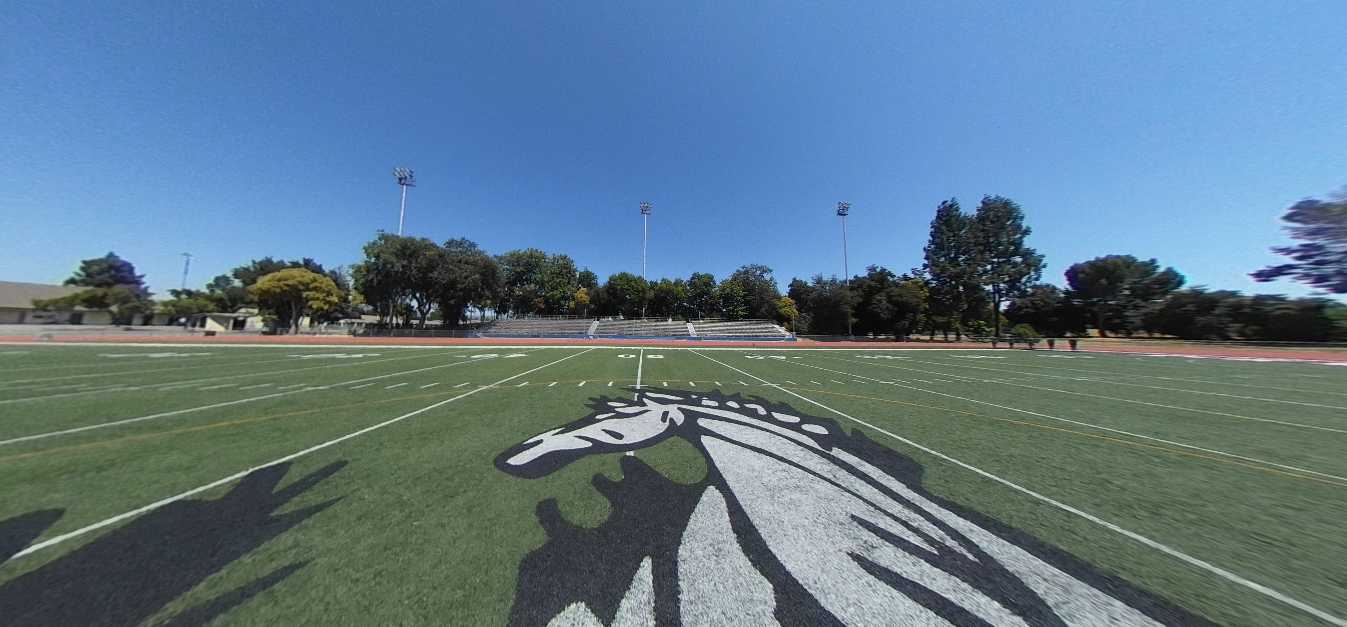
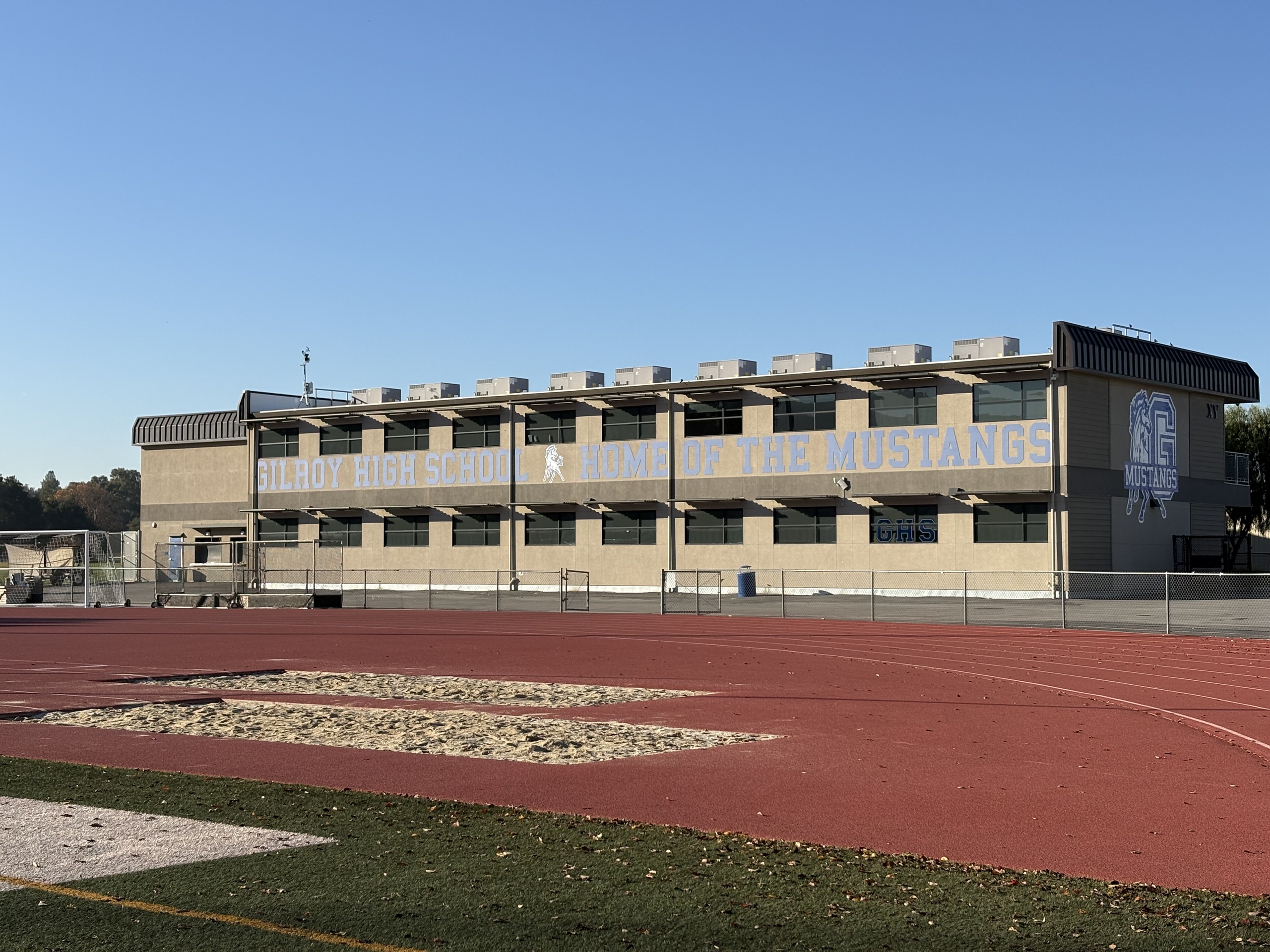
Athletic facilities are concentrated on the west side of campus and include baseball and softball fields, a football field and track, tennis courts, a gymnasium, and an aquatics center. These facilities experience heavy use but exhibit widespread deterioration.
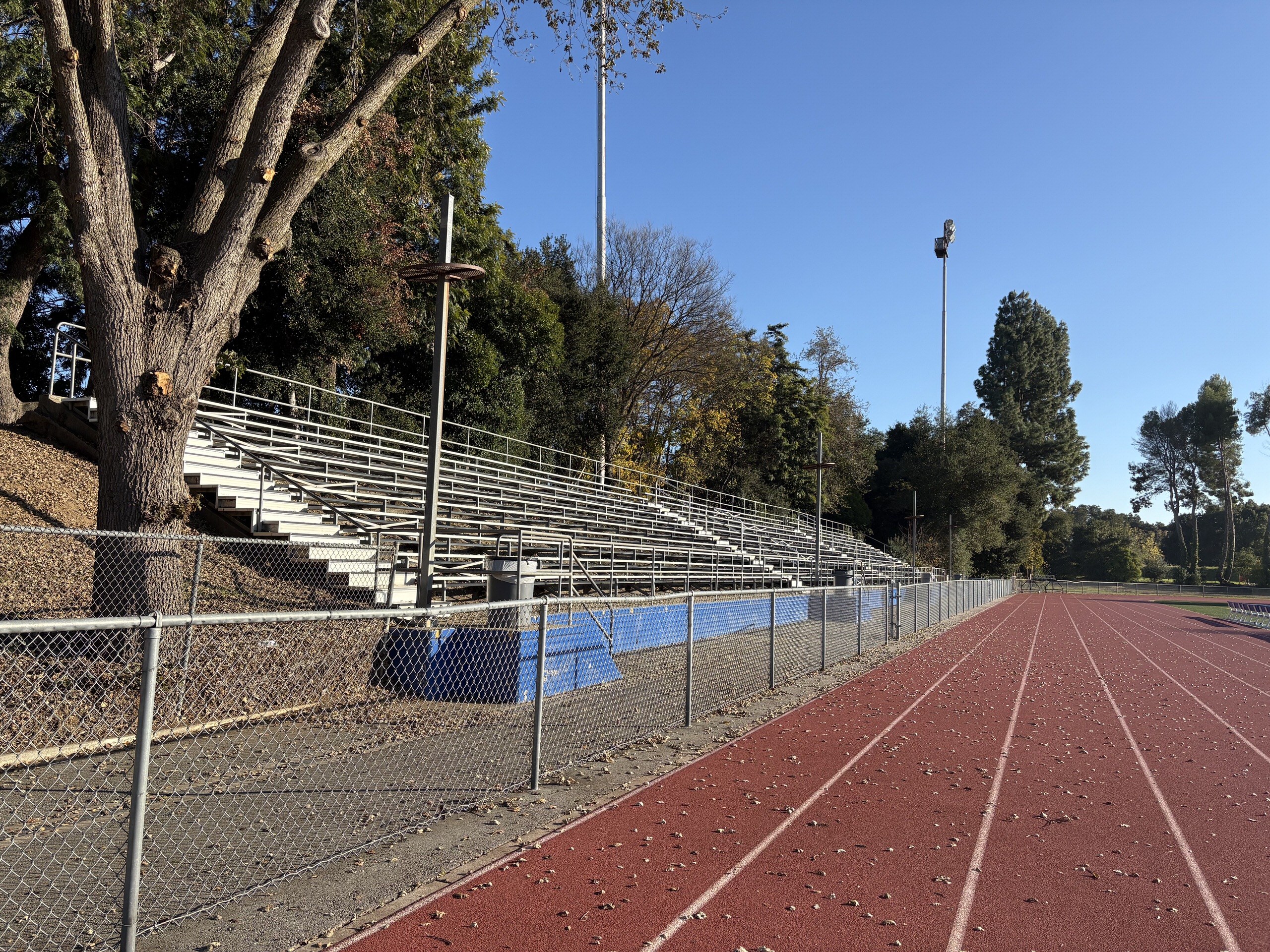
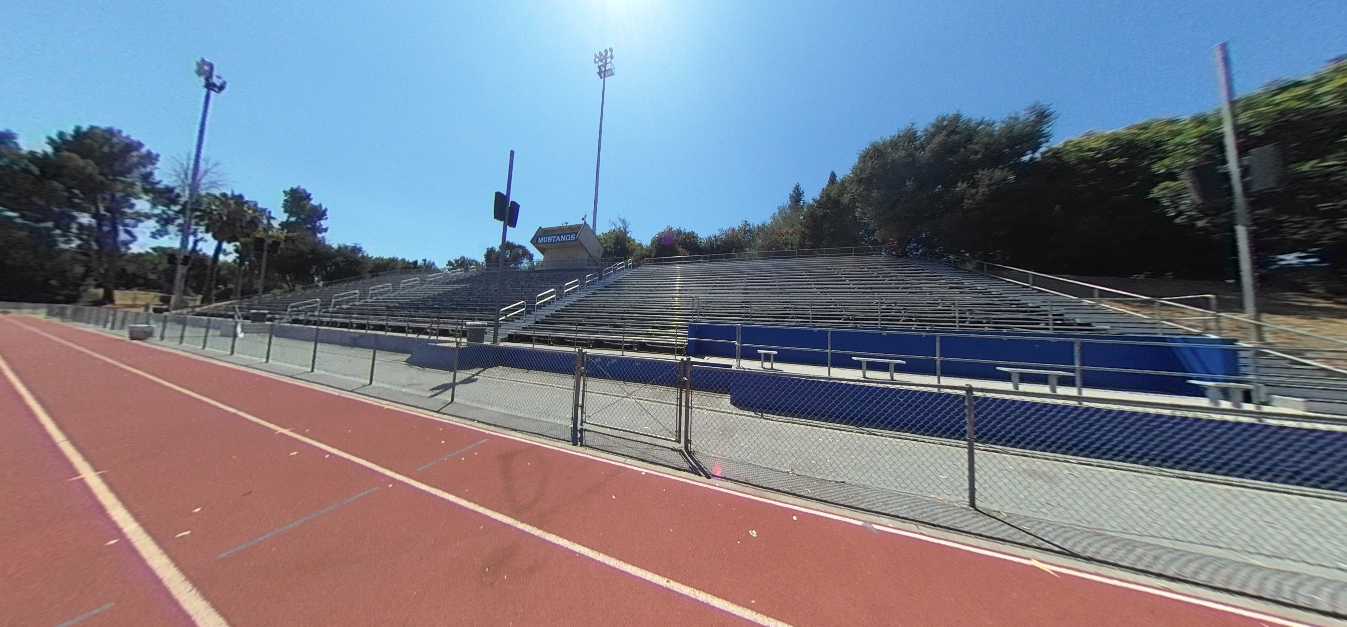
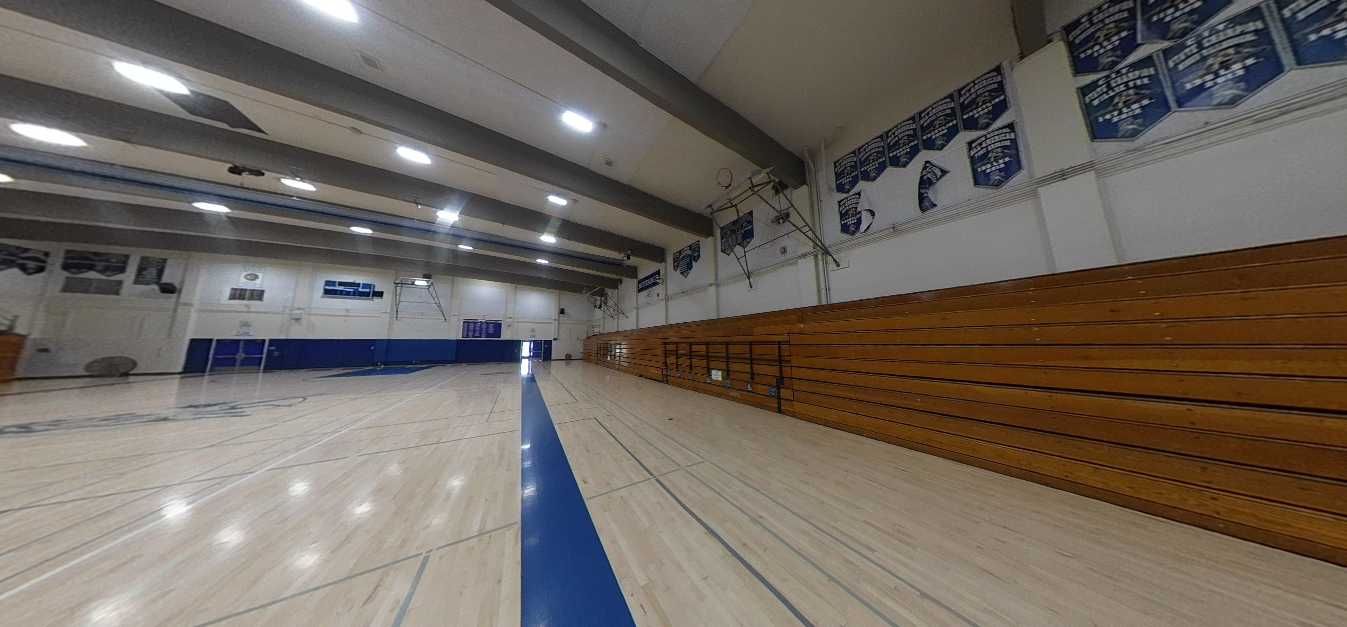
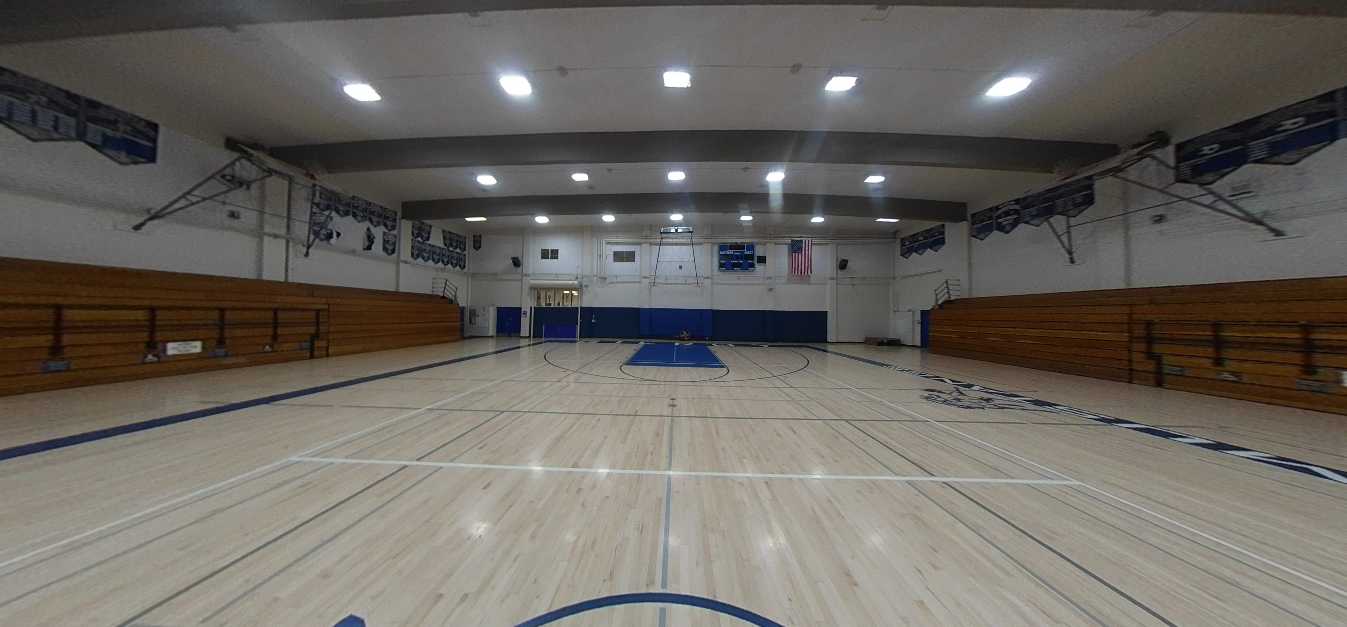
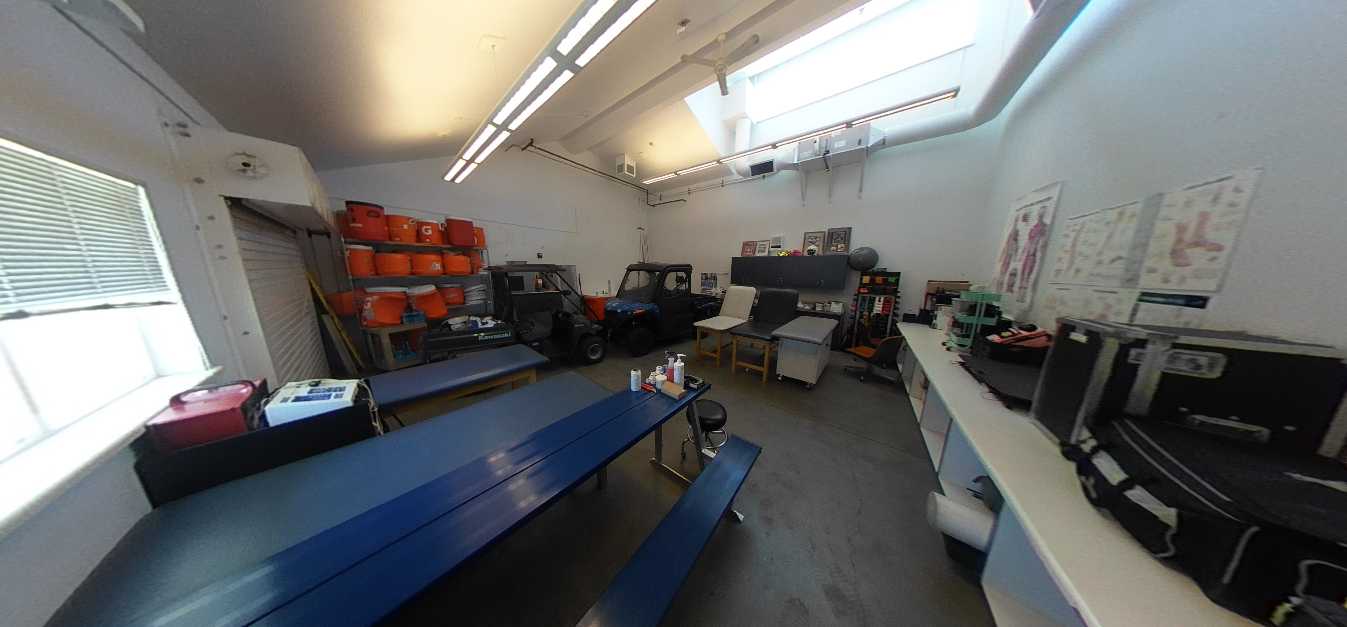
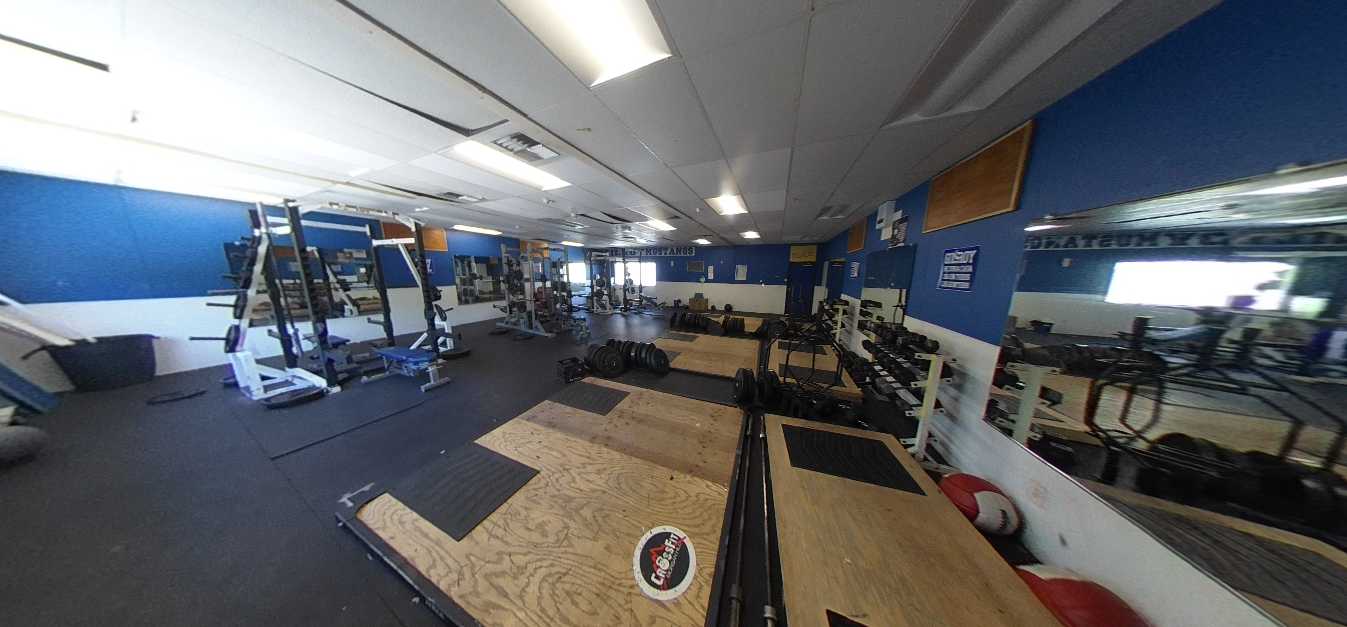
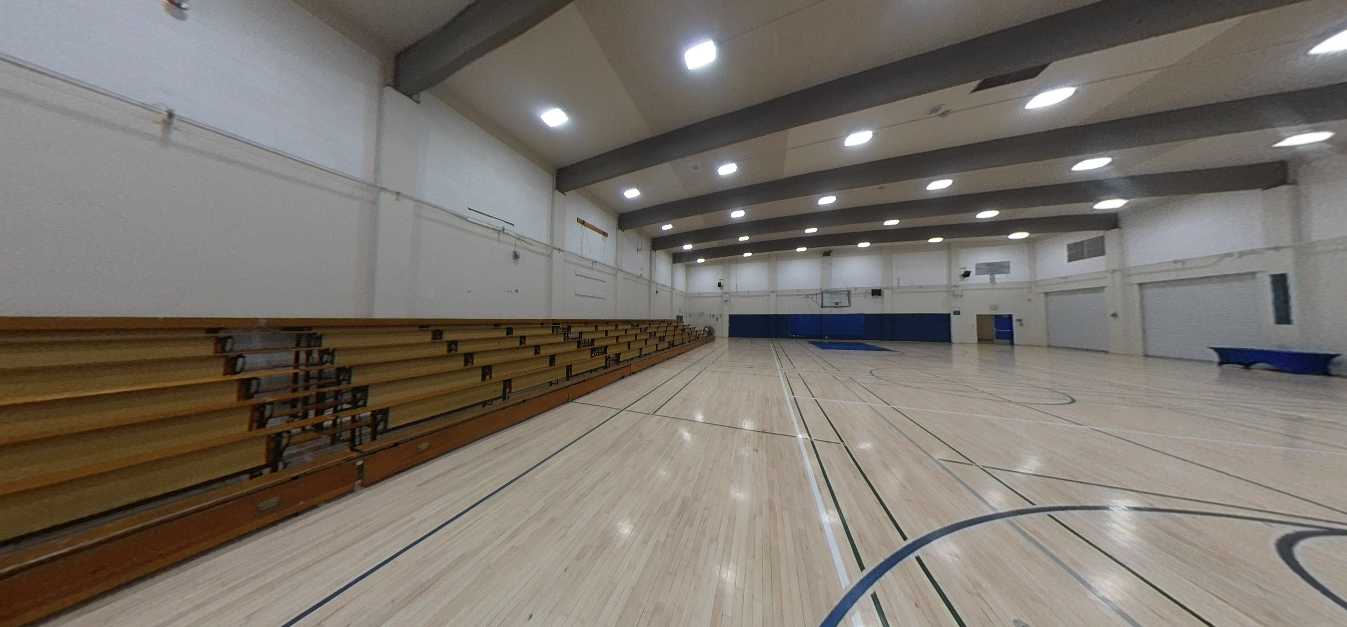
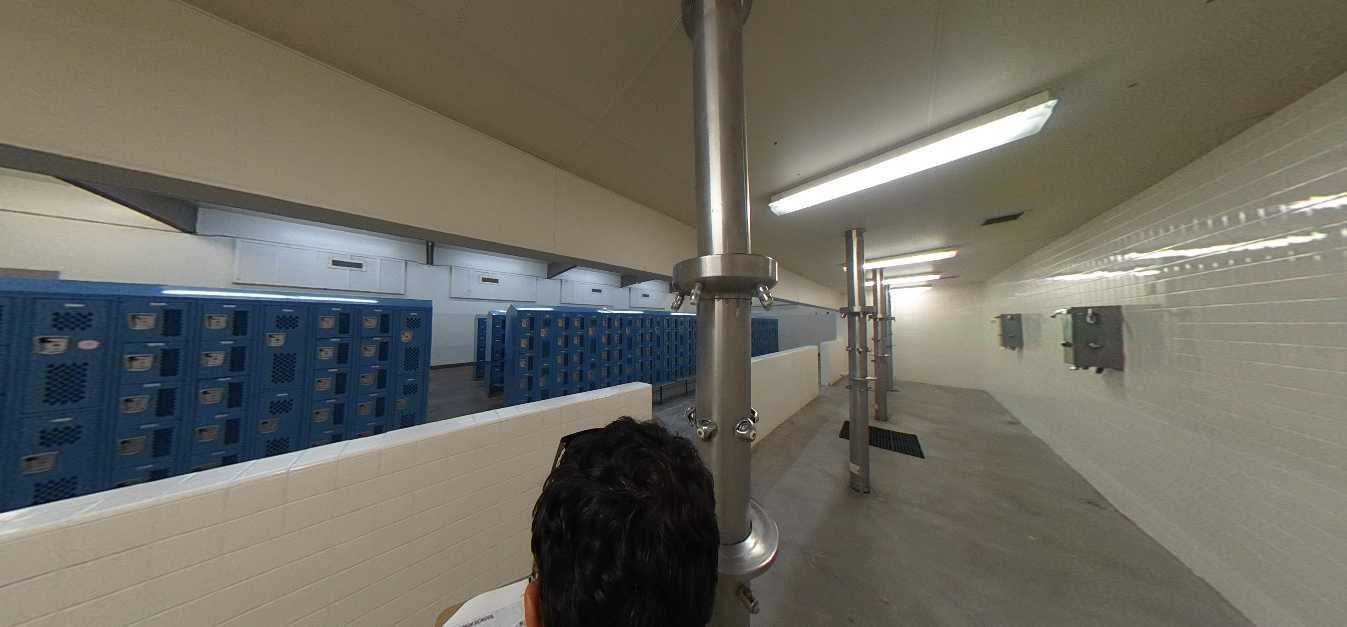
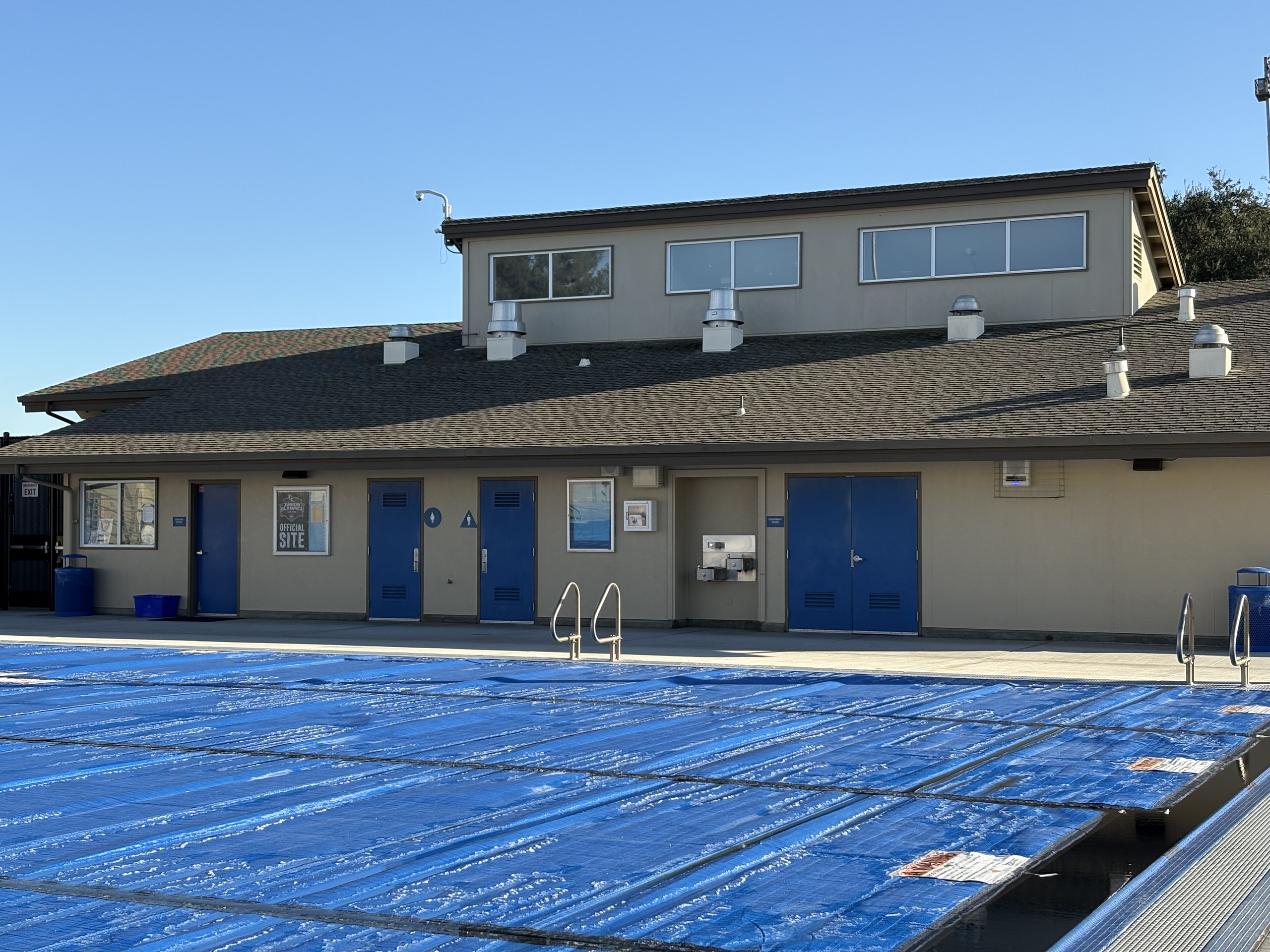
The gymnasium lacks air conditioning, and locker rooms are dated and inadequate. The baseball and softball fields exhibit uneven turf, irrigation deficiencies, and absence of permanent restrooms and spectator seating. The football stadium features outdated and non-accessible bleachers, a damaged track surface, and failing scoreboard and lighting systems. The weight room occupies a deteriorated portable building with compromised finishes. The recently renovated pool is supported by metal bleachers but lacks sufficient shade structures. The tennis courts are located at the campus perimeter and have limited access to water and restroom facilities.
Specialty / CTE Classrooms & Portables
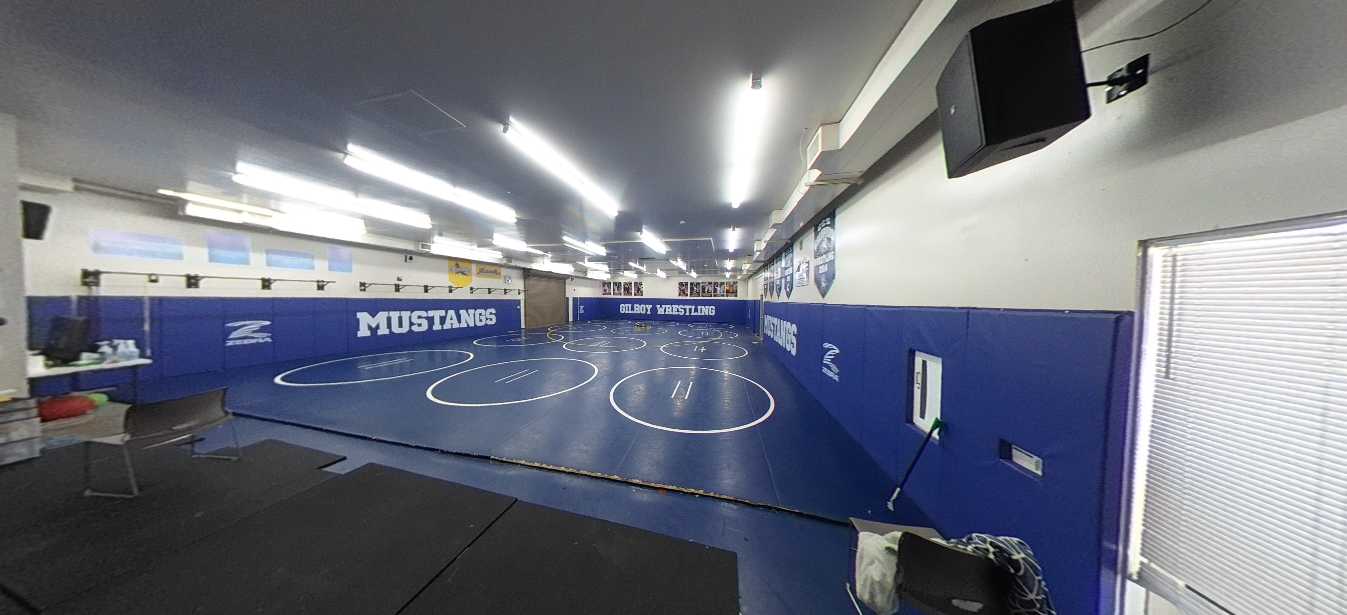
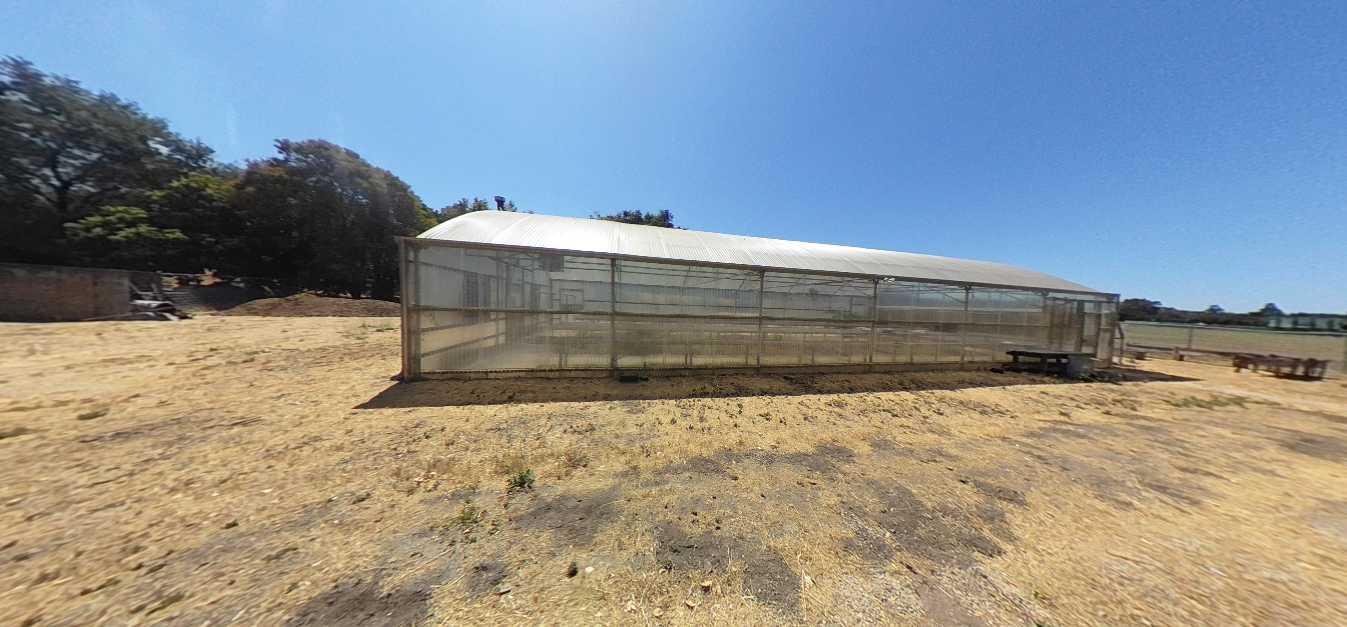
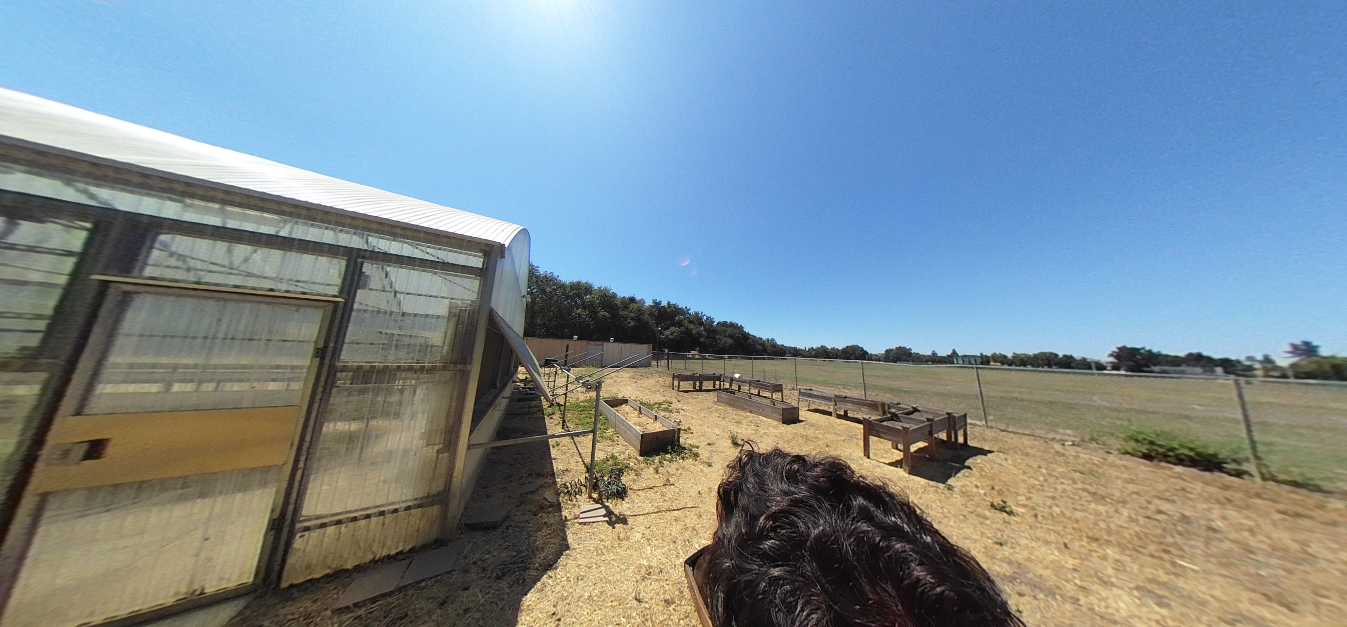
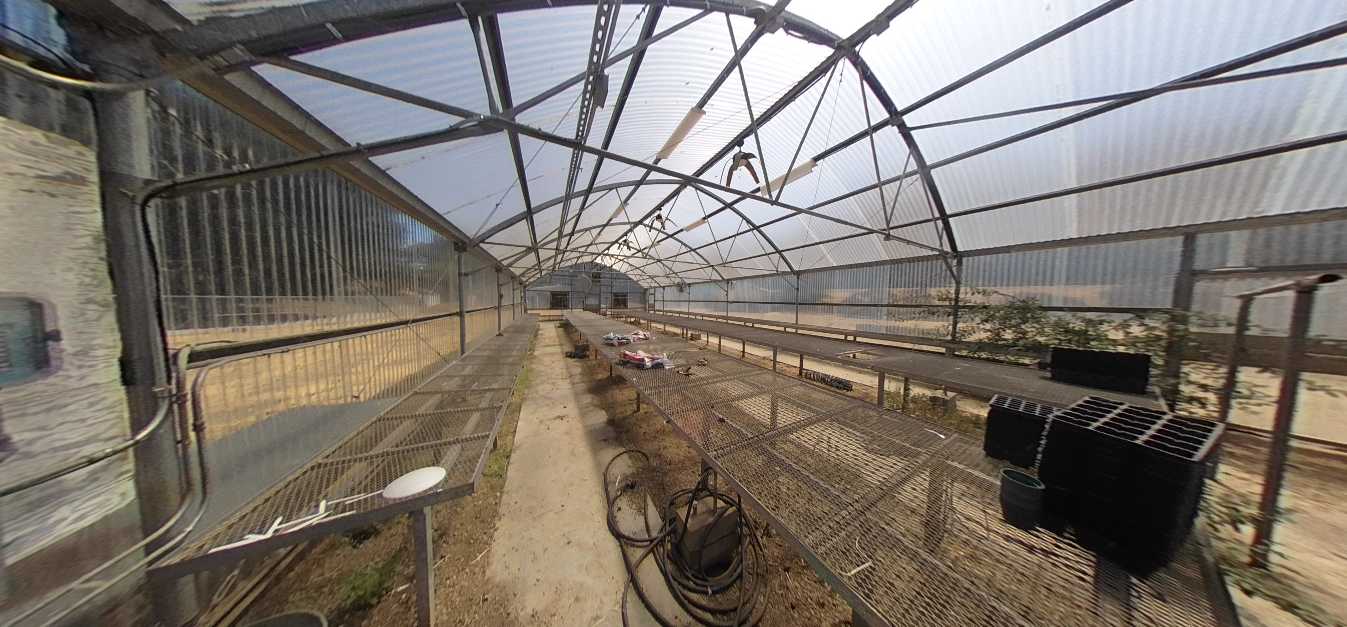
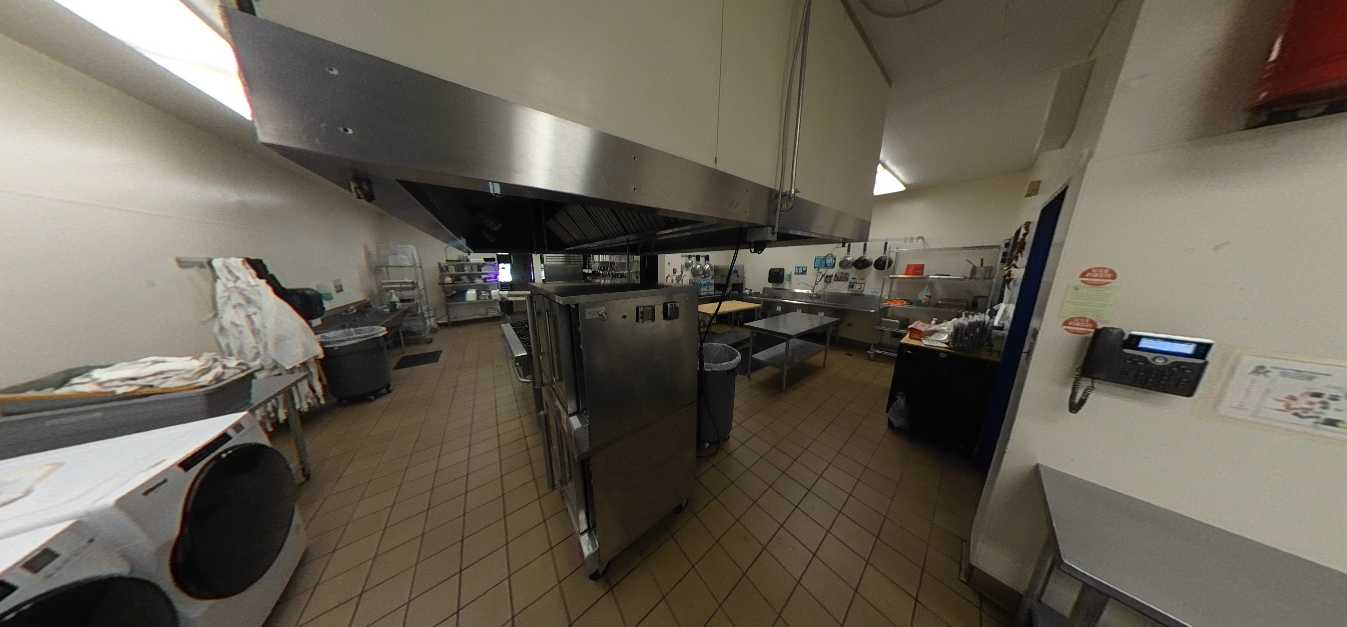
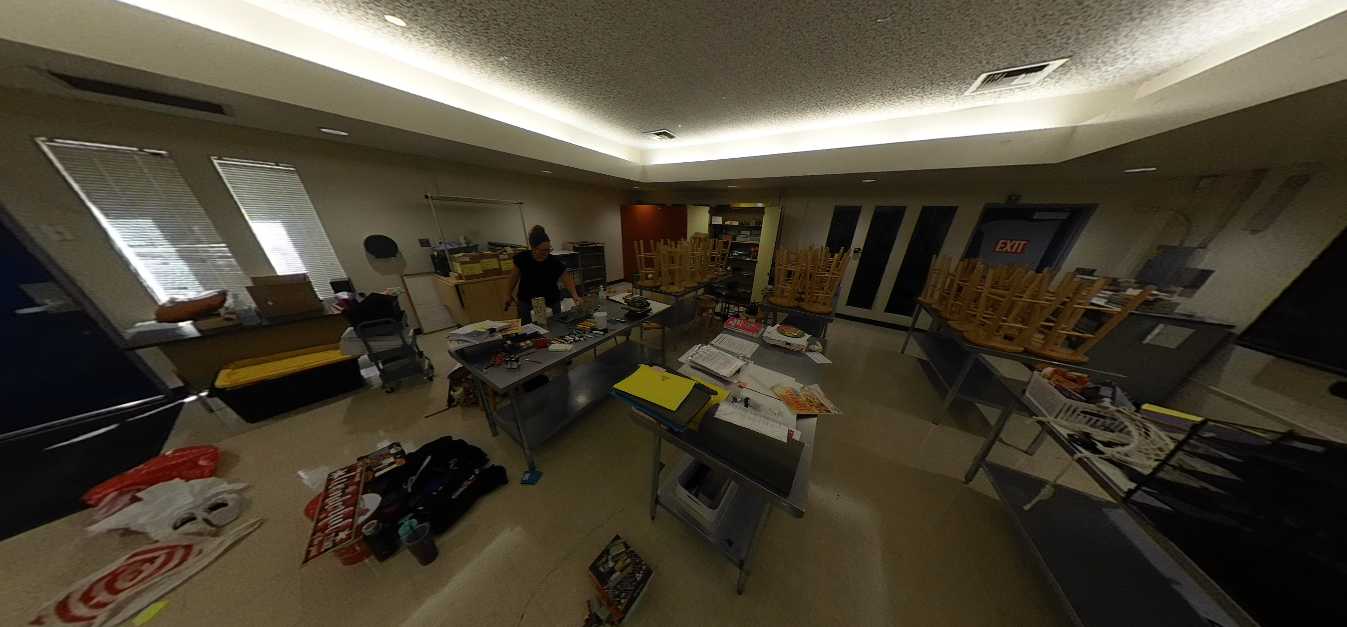
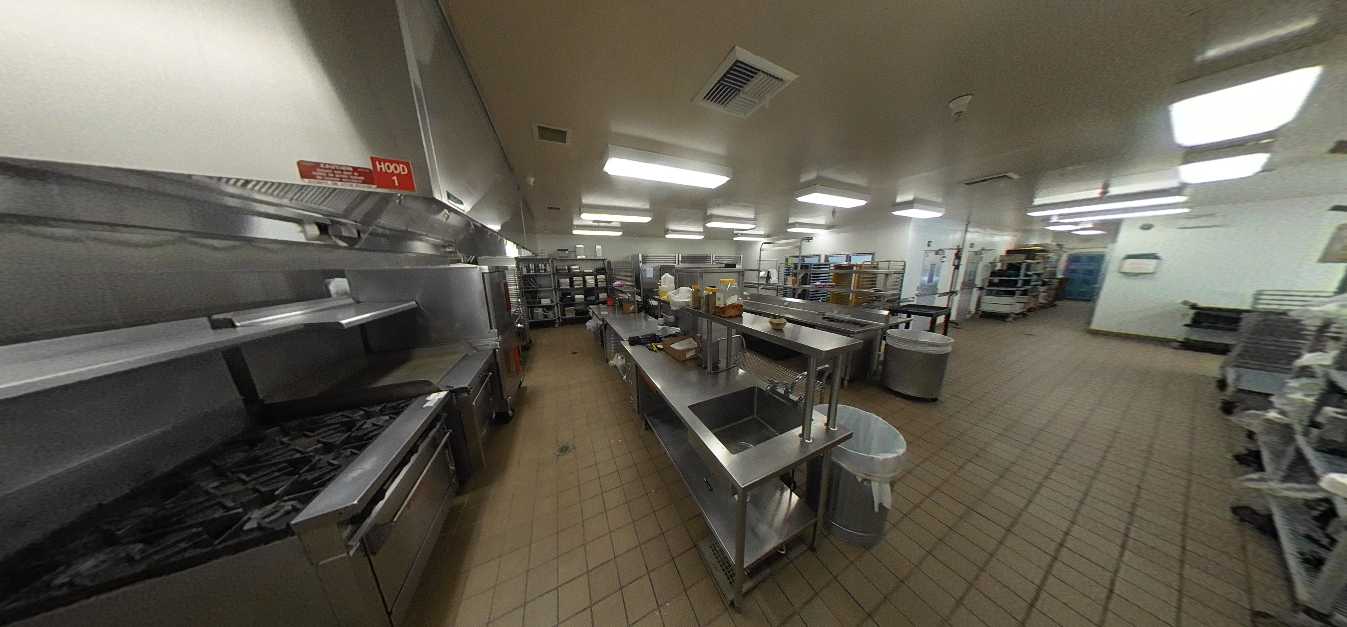
CTE programs operate primarily in temporary or repurposed spaces situated between the staff parking lot and the student center. While heavily utilized, these facilities are constrained by aging infrastructure, insufficient spatial configuration, and inadequate building systems. The culinary program is housed in a newer portable building; however, other programs—such as HVAC, welding, agriculture, and electrical—occupy converted facilities including the former auto shop and wrestling room. These spaces lack proper ventilation, power capacity, and instructional layout to safely support program requirements.
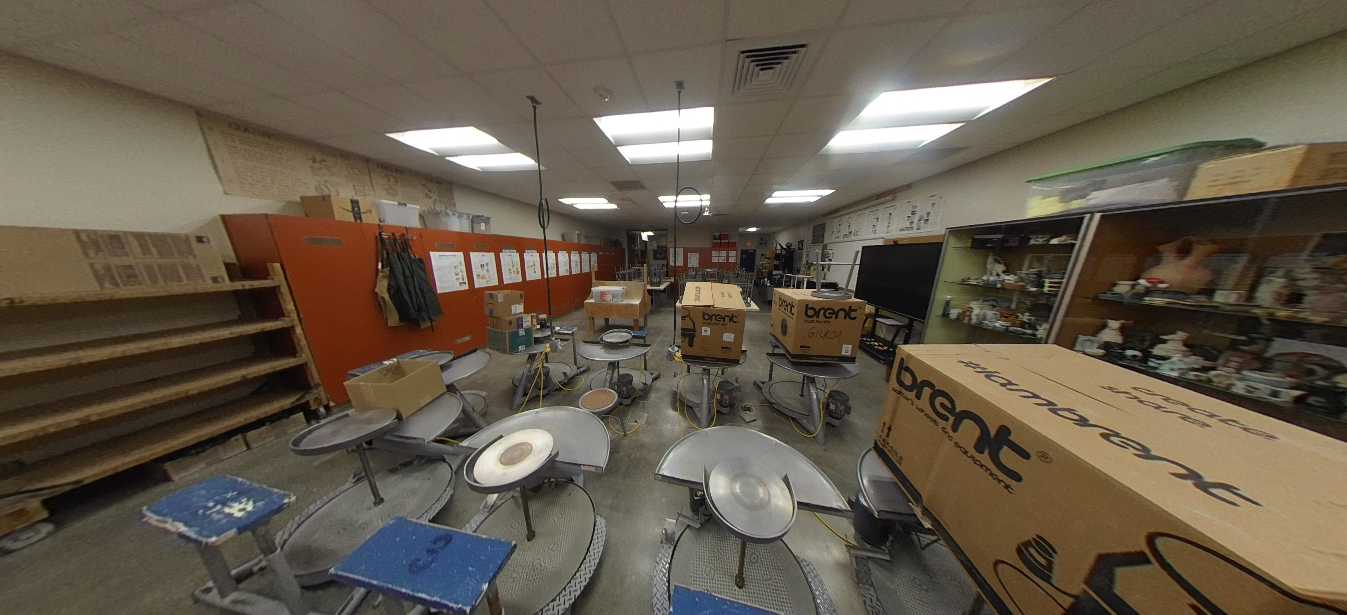
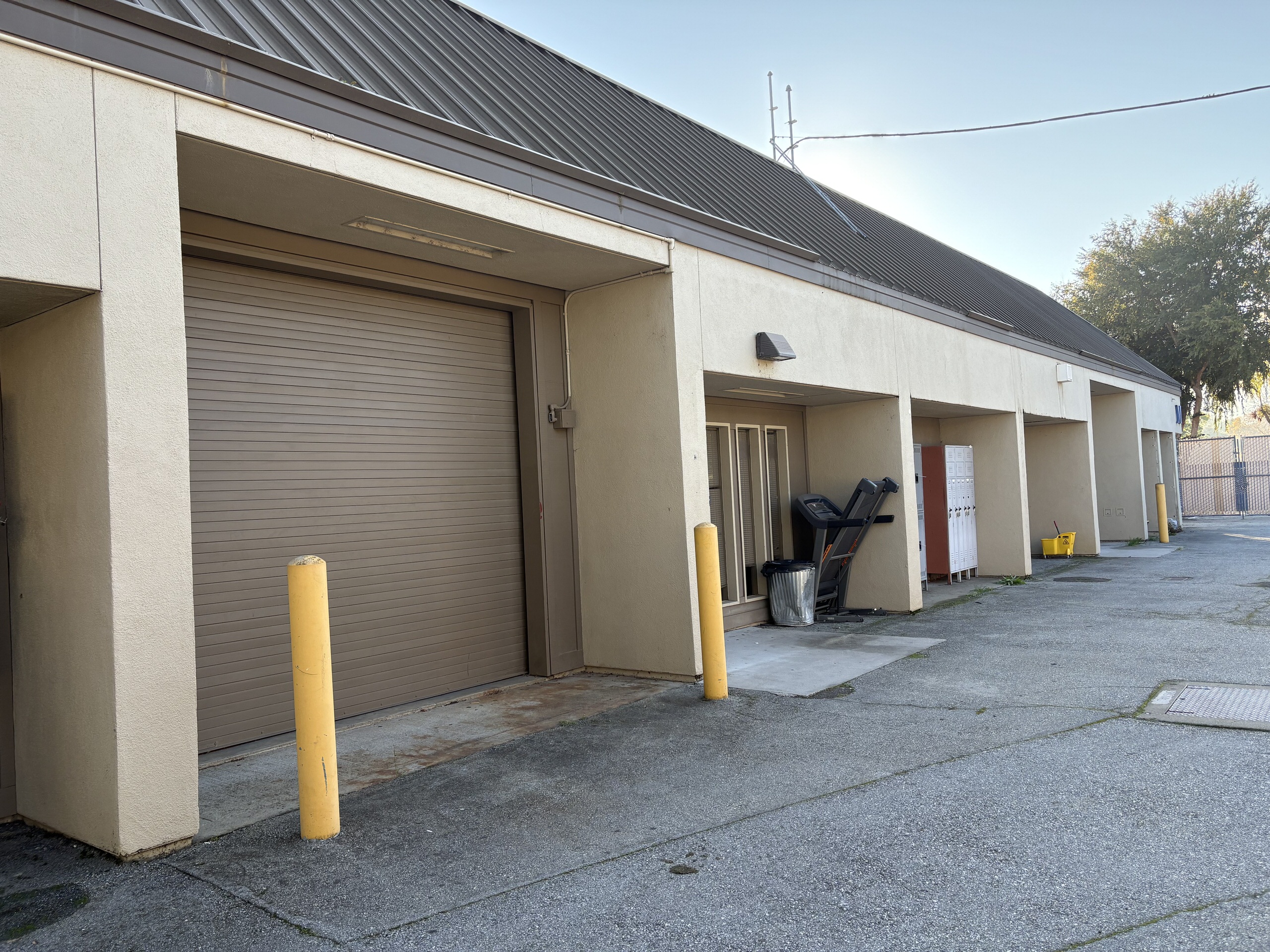
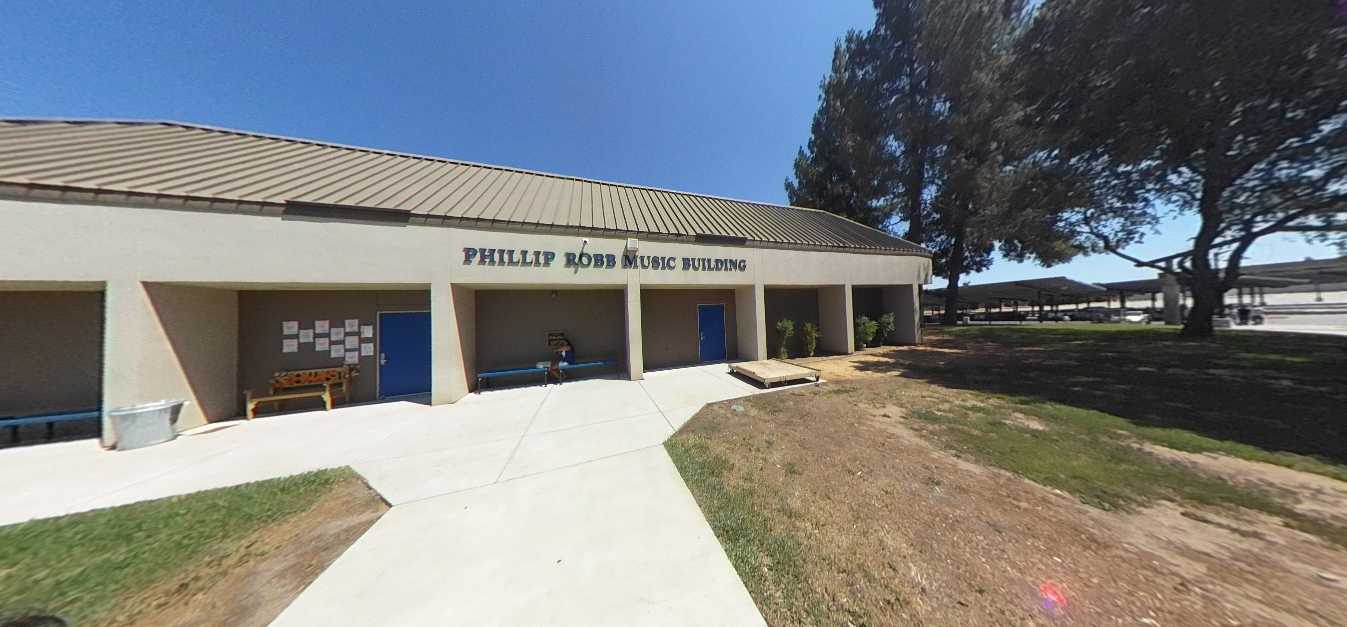
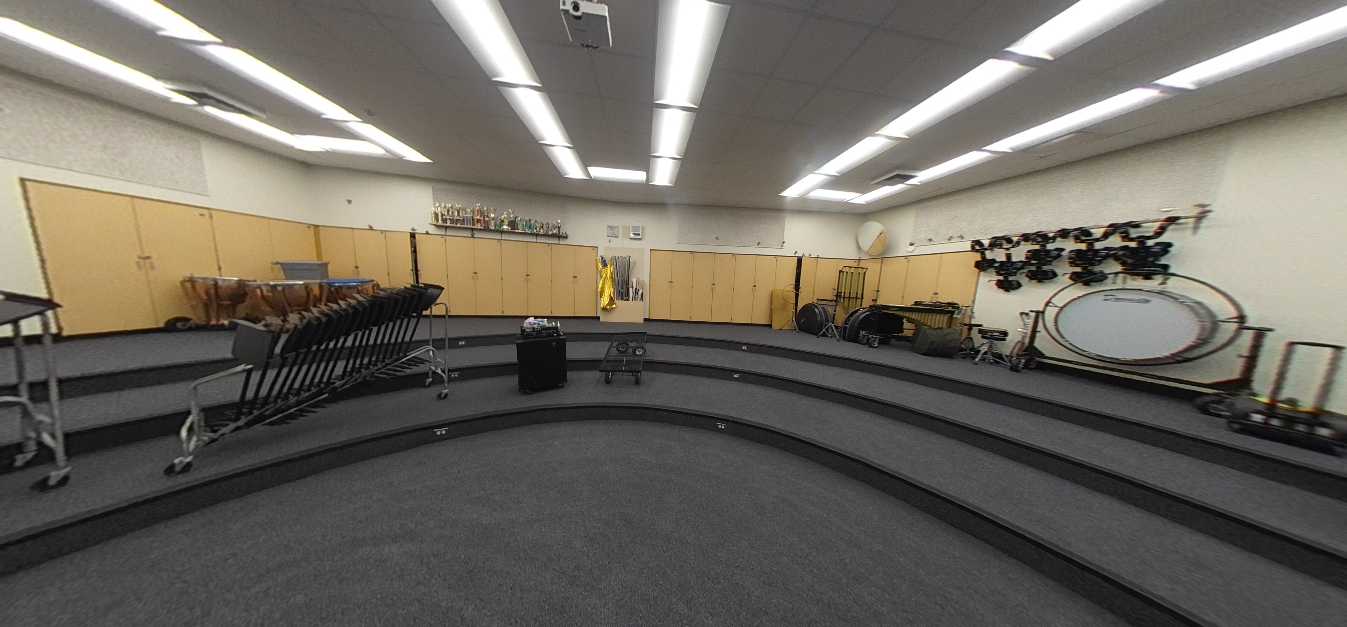
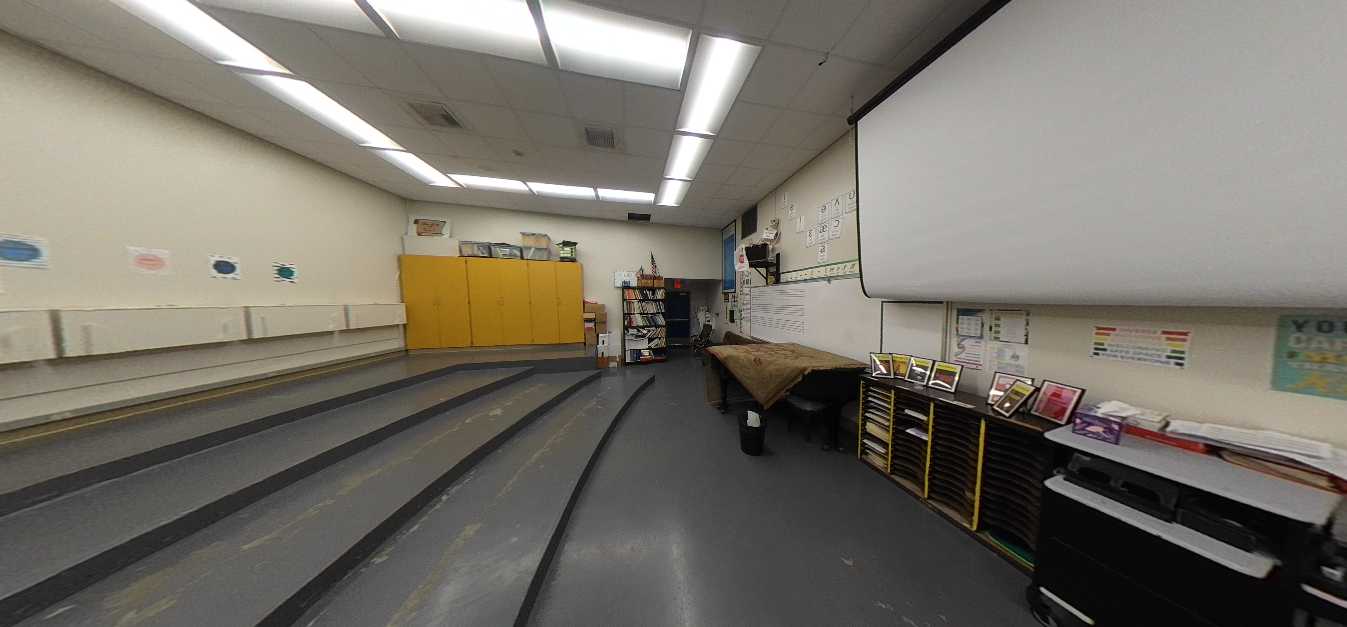
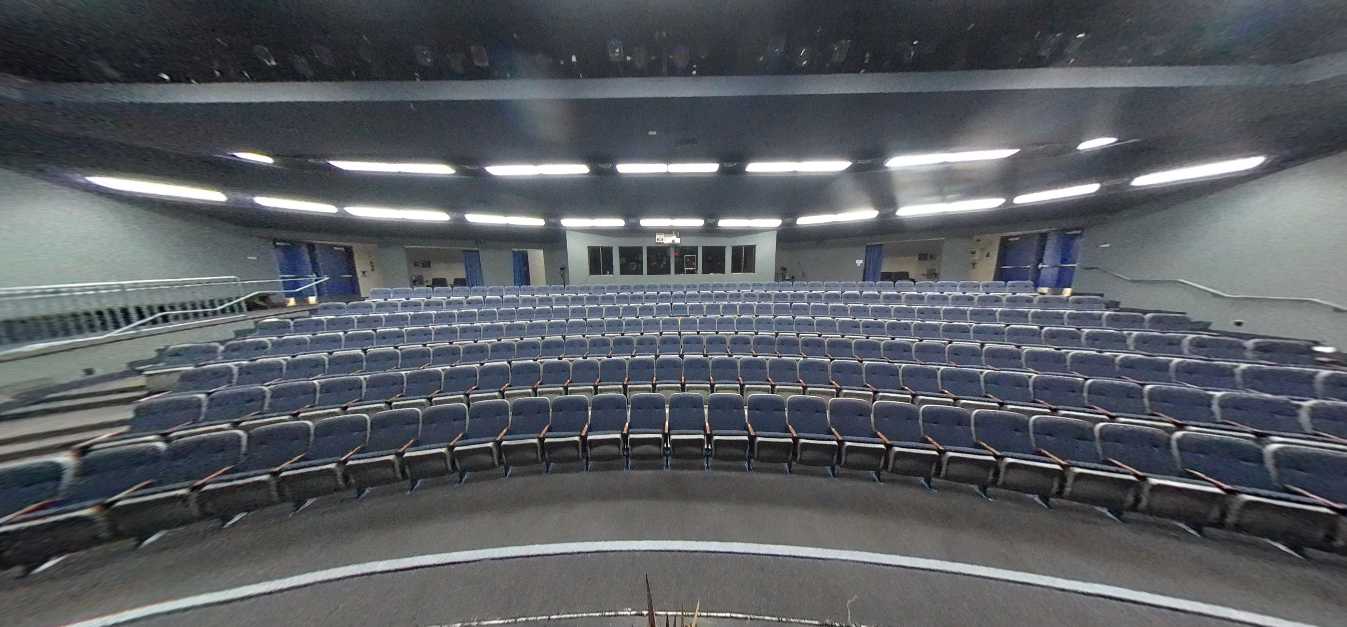
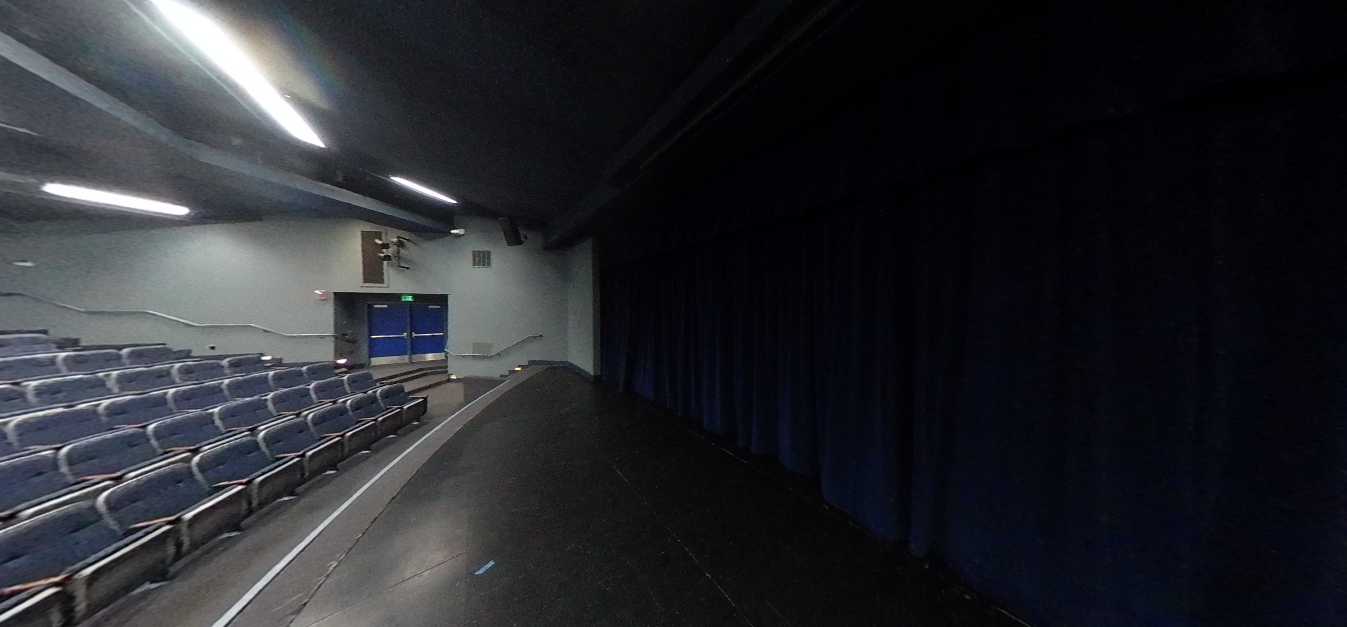
Wrestling has since been relocated to the former kitchen, which is not an appropriate long-term solution. Equipment, furnishings, and storage across CTE programs are outdated and insufficient. Theater, music, arts, and ceramics buildings, located near the student parking lot, also exhibit failing interior finishes, limited daylighting, and accessibility deficiencies. Despite high student engagement, specialty facilities are unable to fully support curriculum needs without major upgrades.
Standard Classroom Buildings & Portables
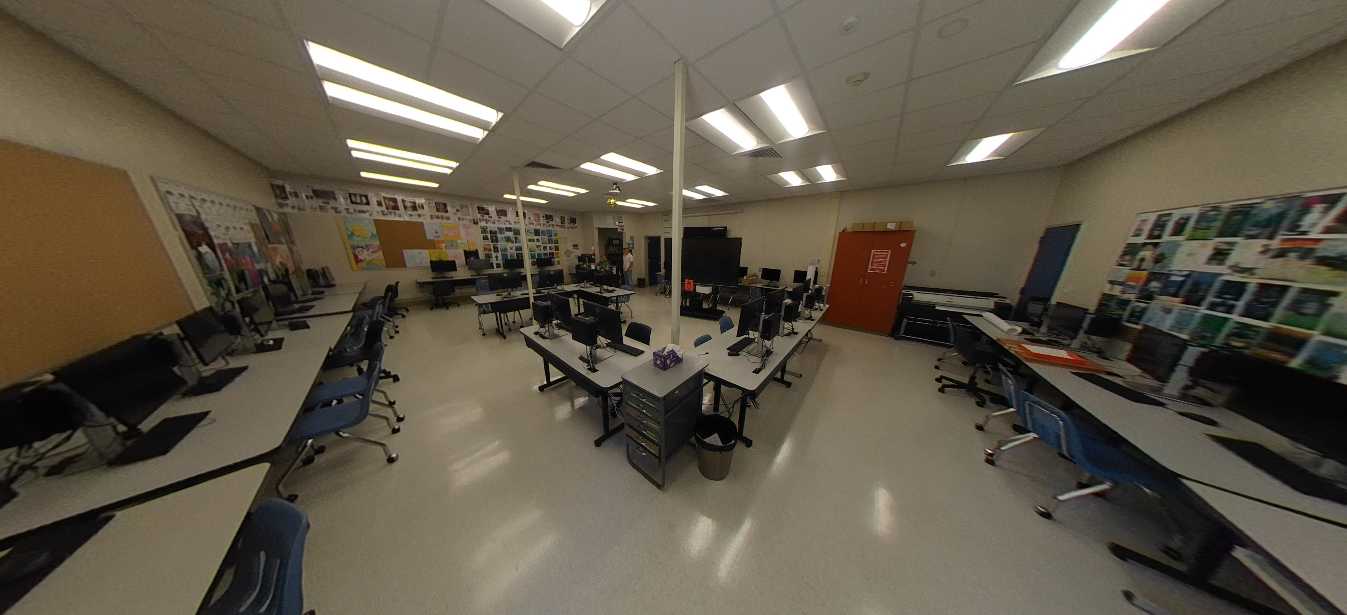
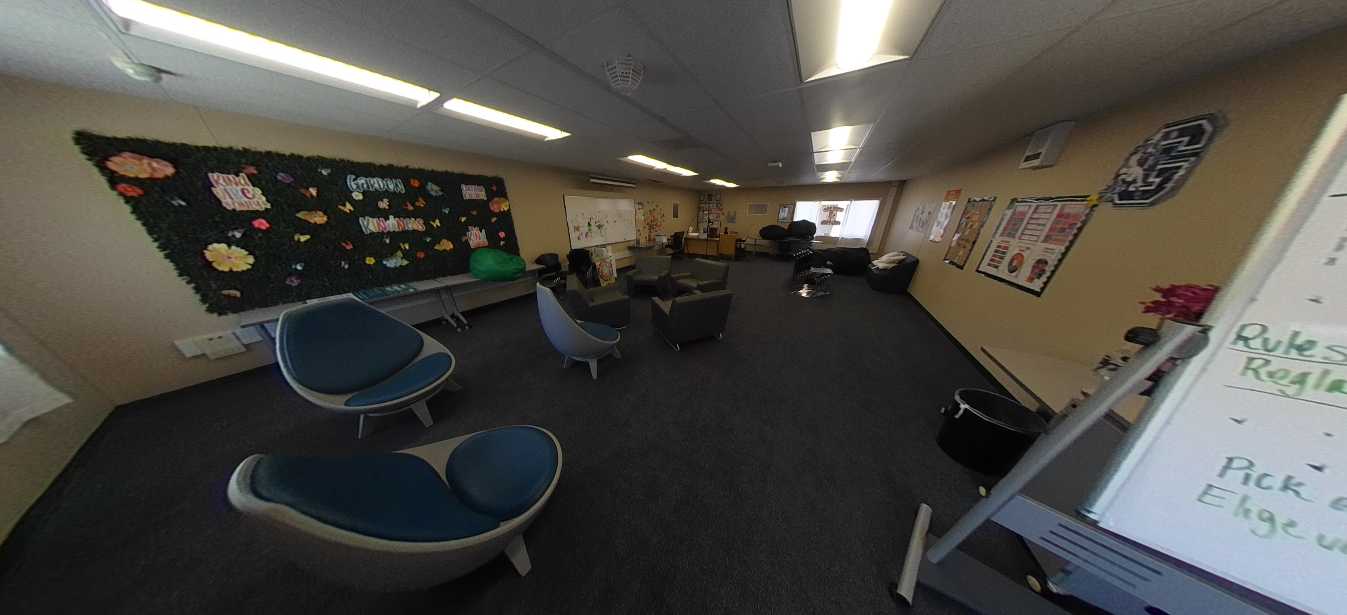
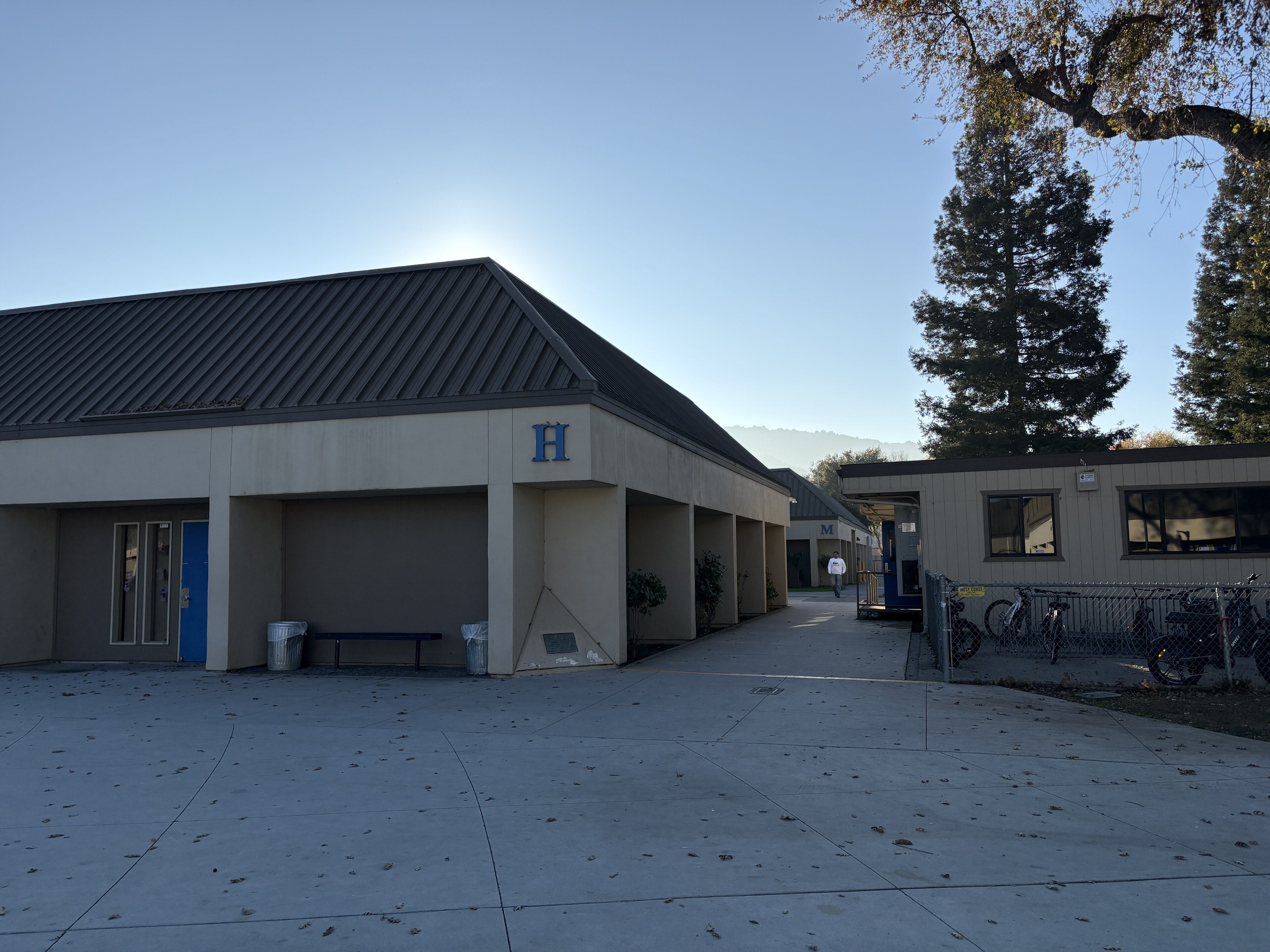
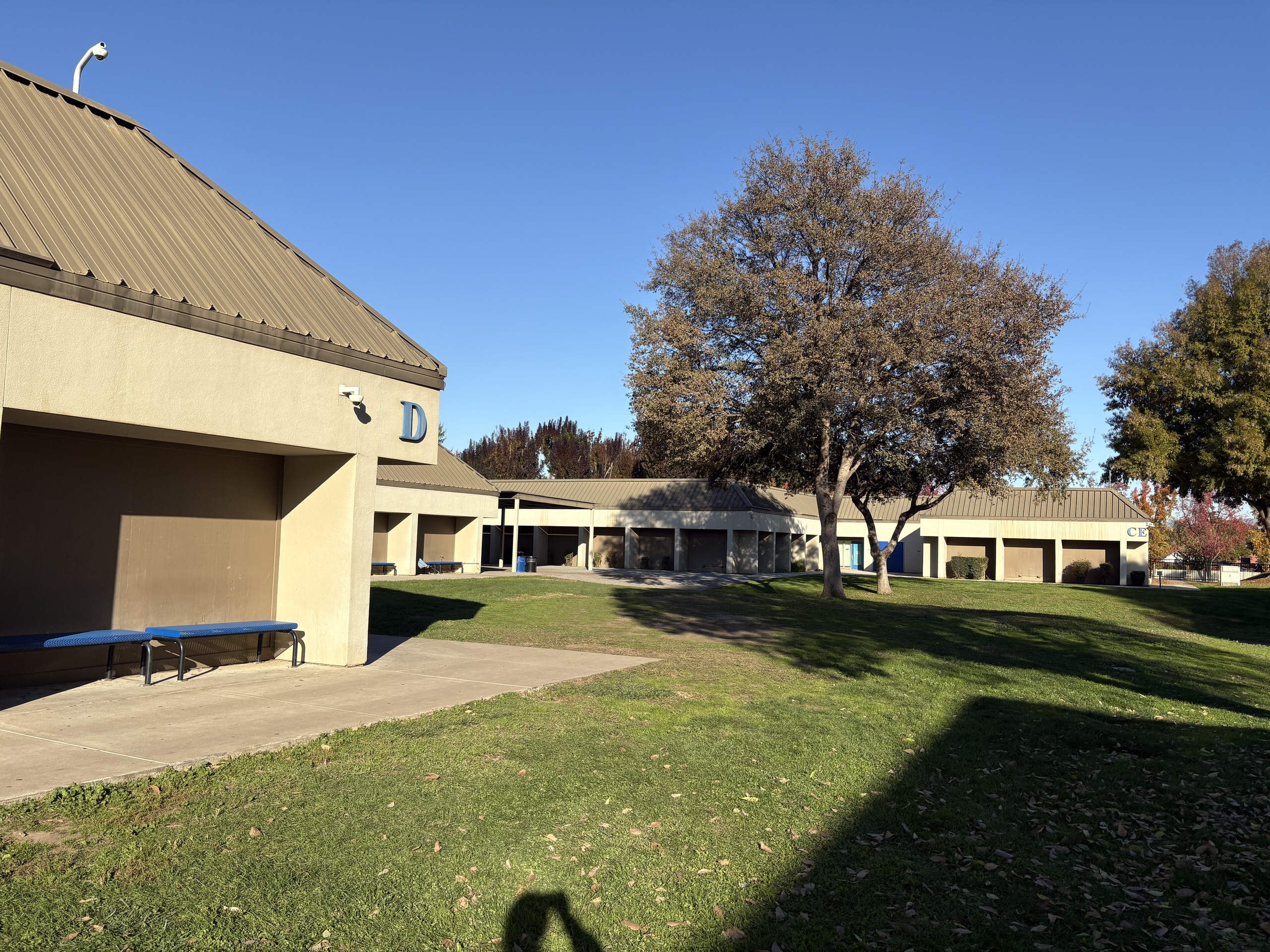
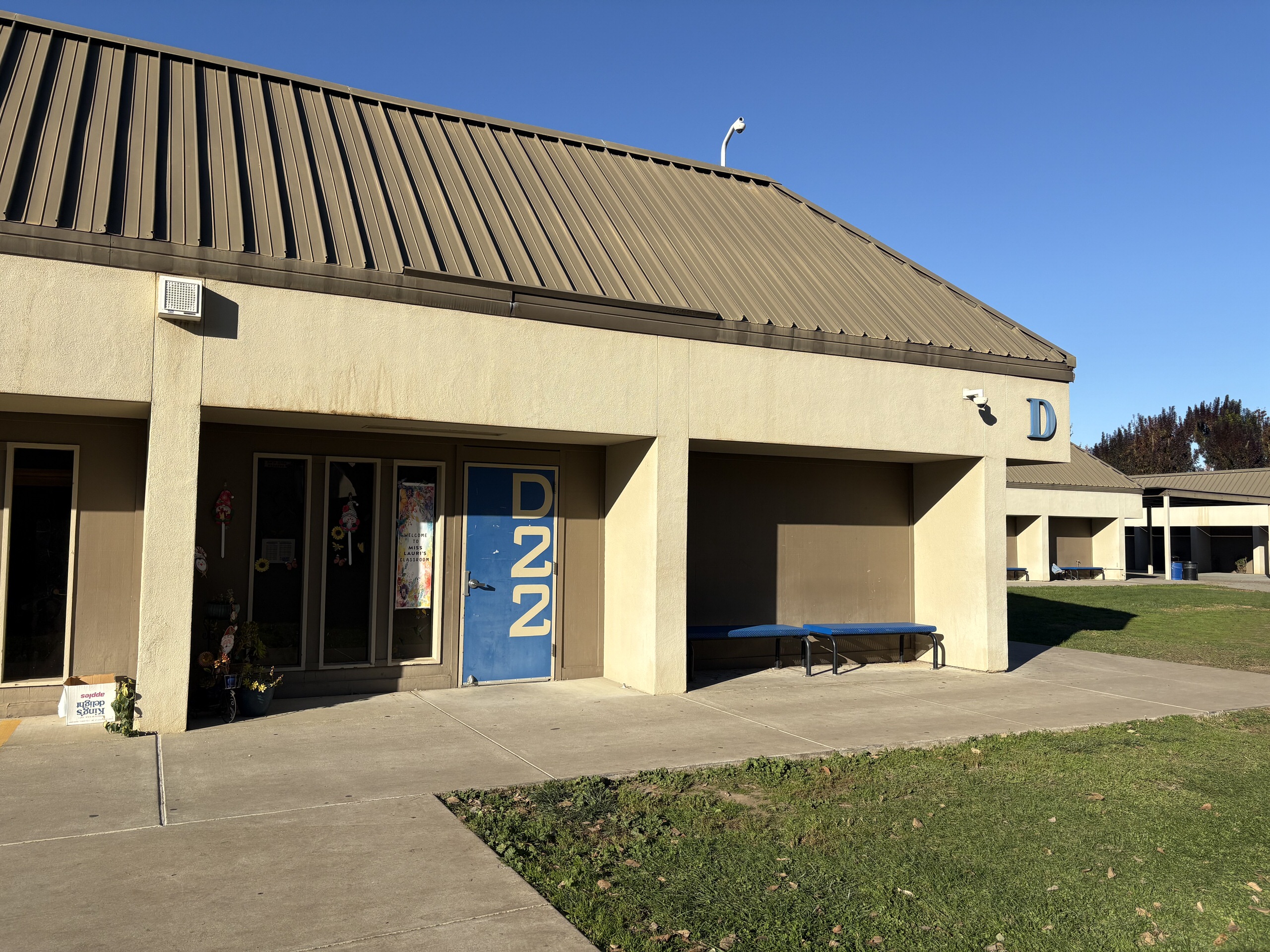
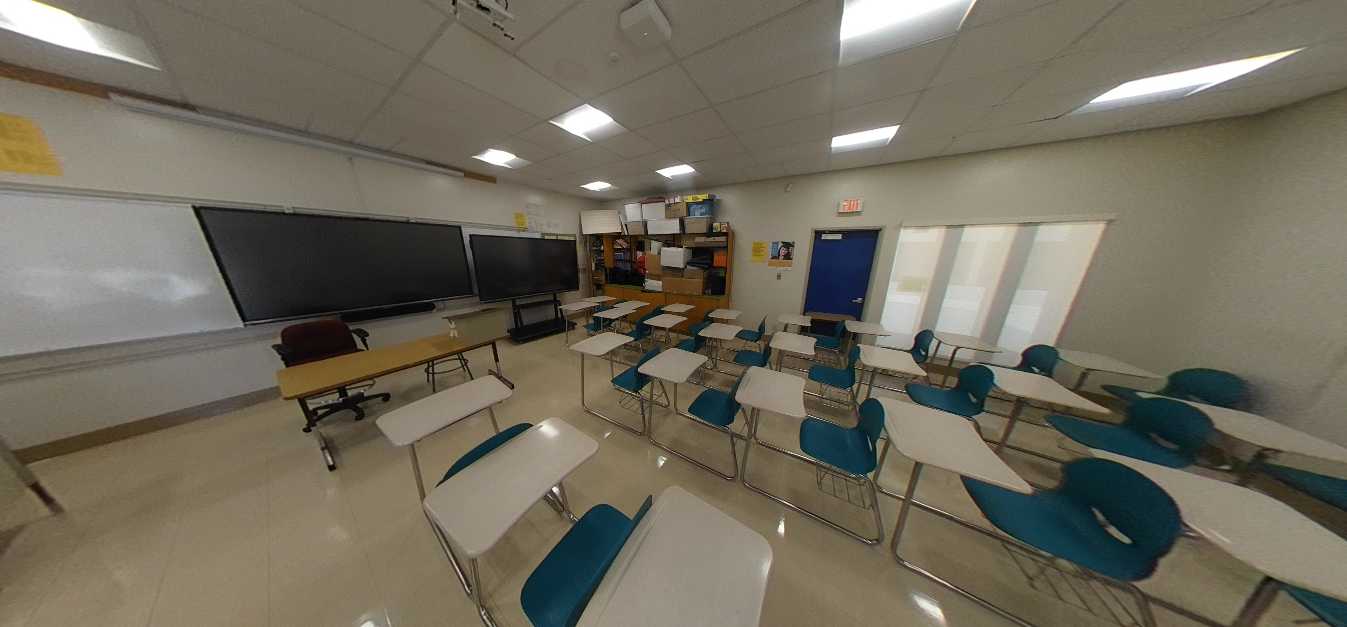
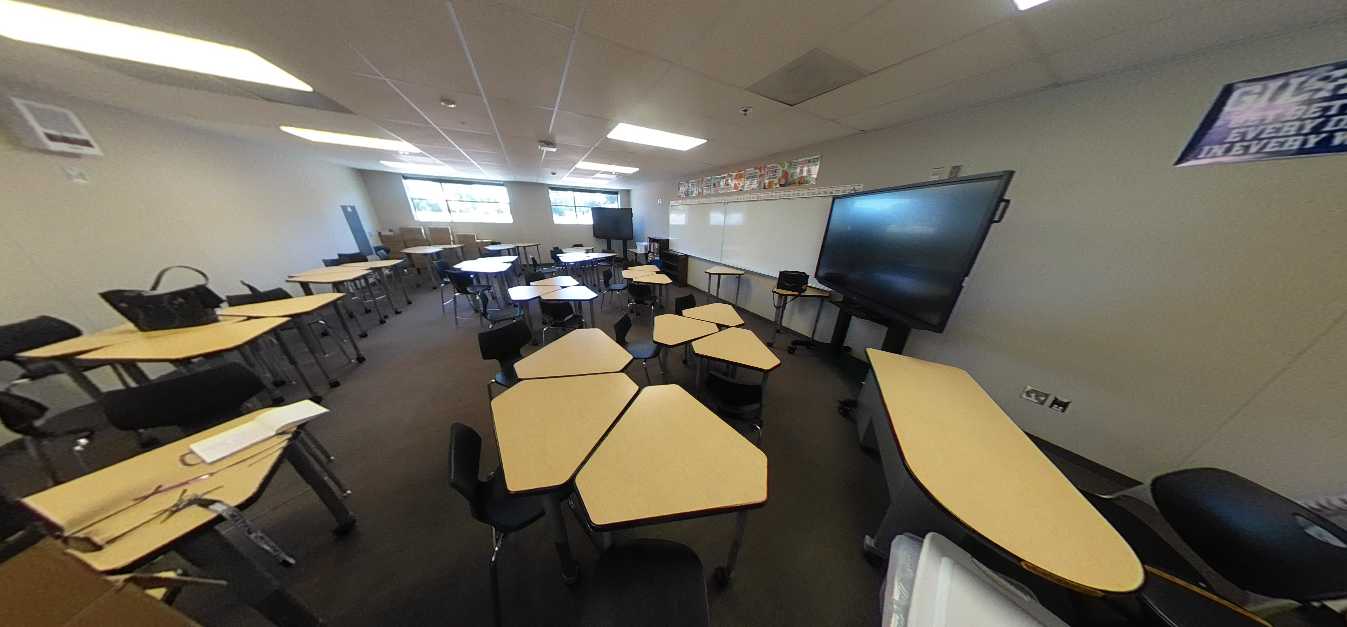
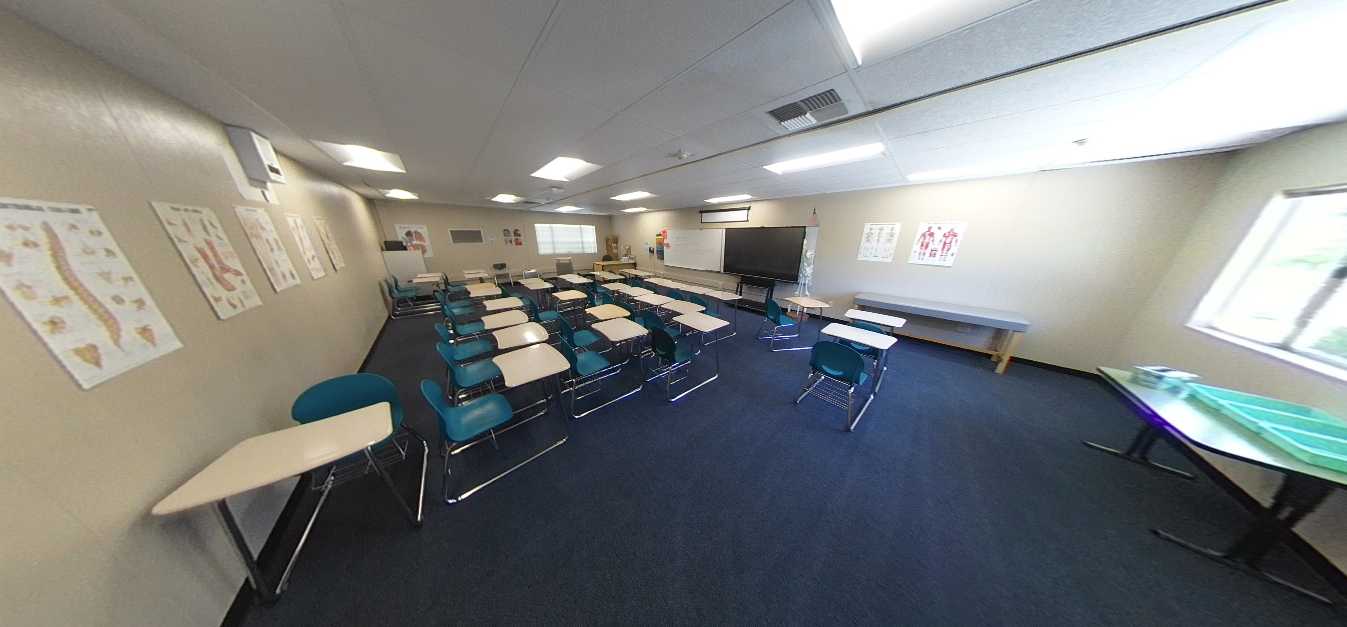
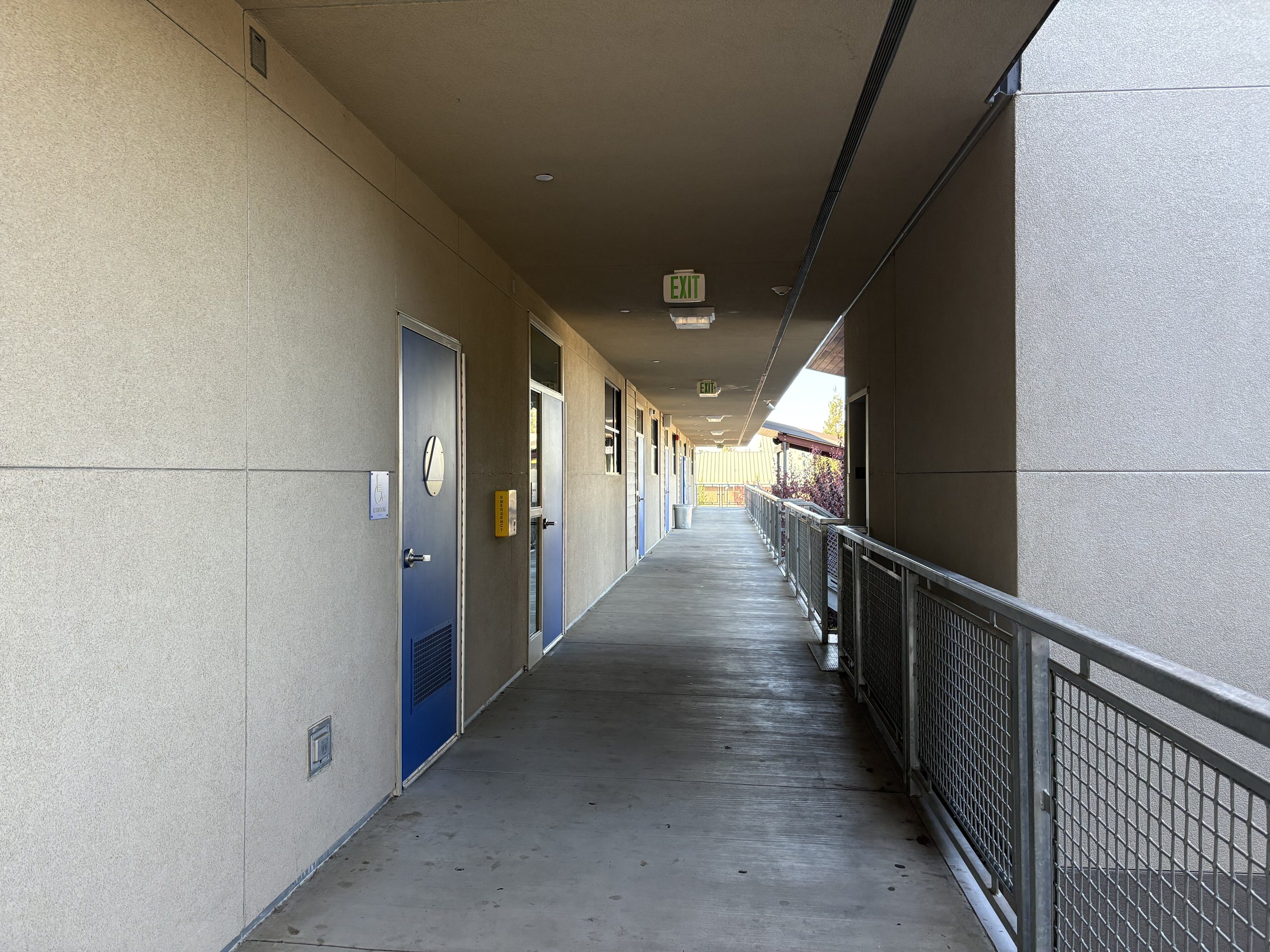
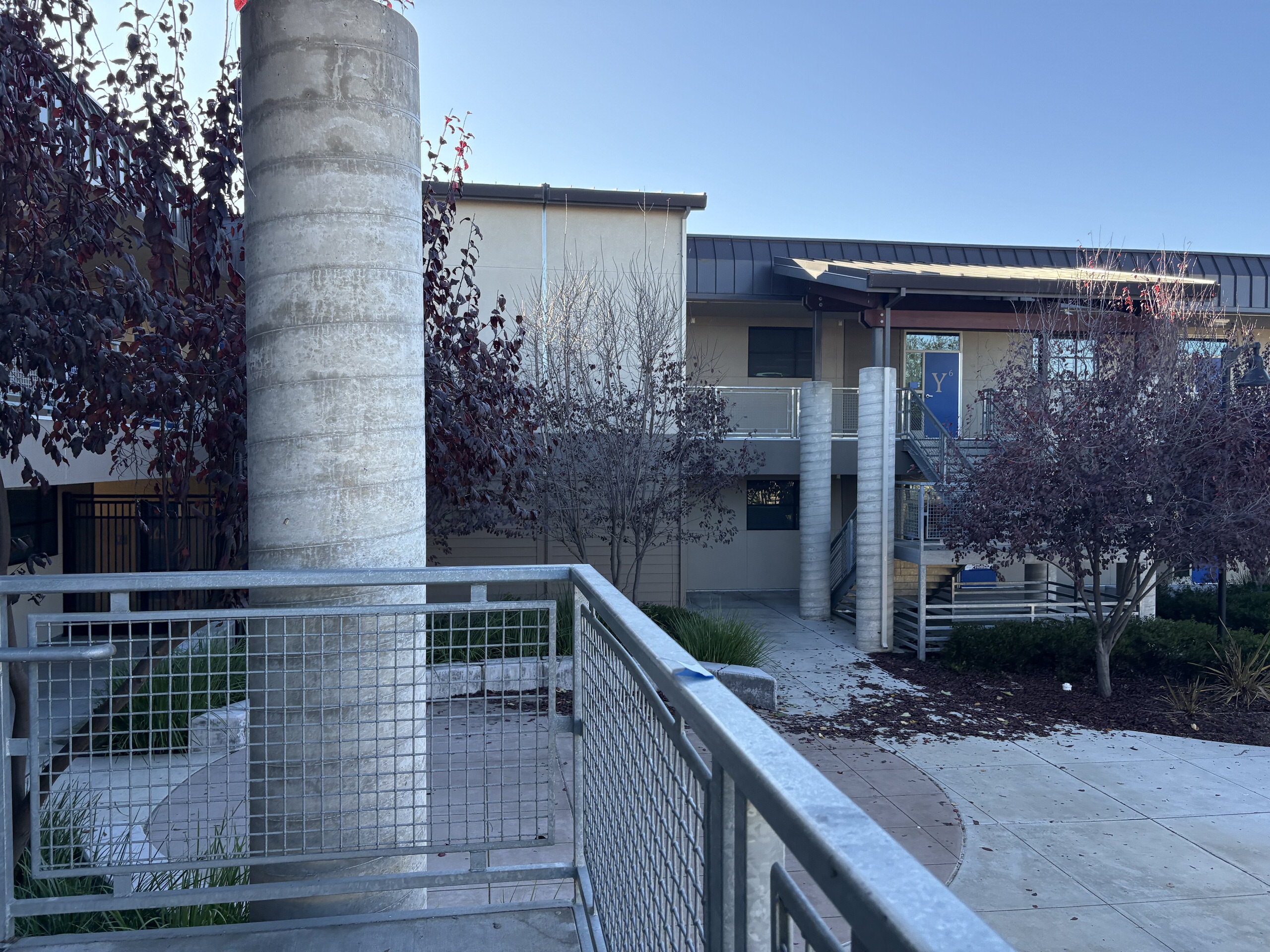
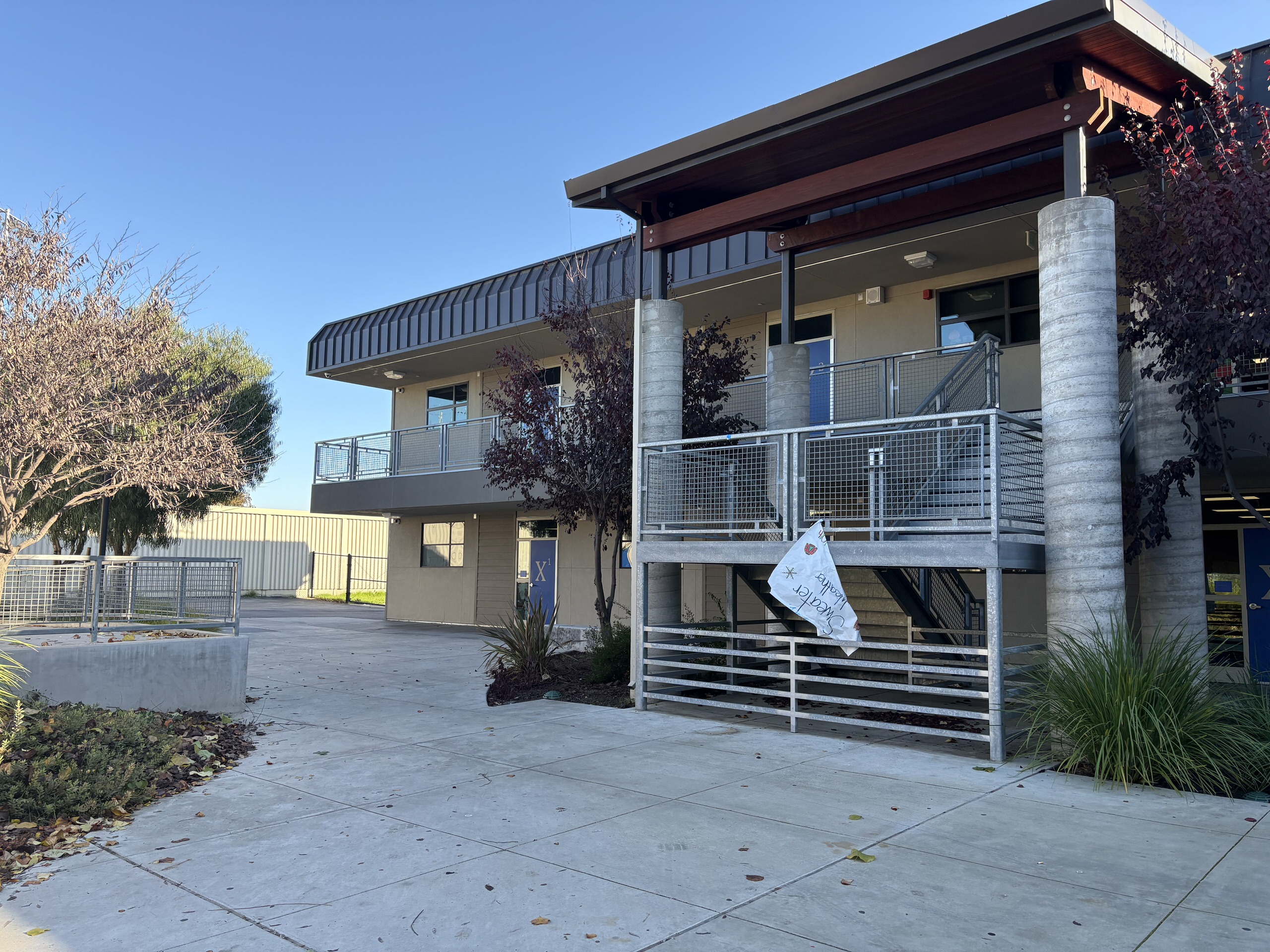
Standard classroom facilities are arranged around the central quad and include both single-story and two-story buildings. Single-story buildings are in the poorest condition, exhibiting failing ceiling and flooring finishes, outdated furnishings, limited glazing, and reliance on mobile technology carts. The two-story buildings are generally in better condition and include flexible furniture and improved finishes.
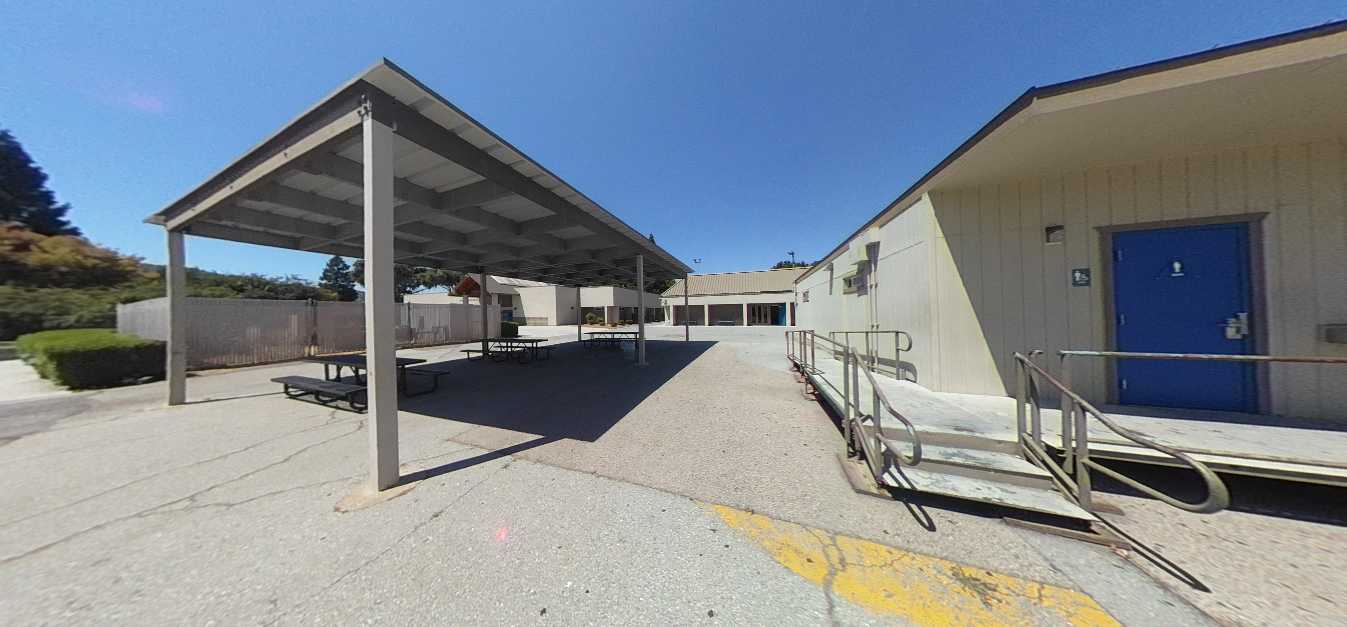
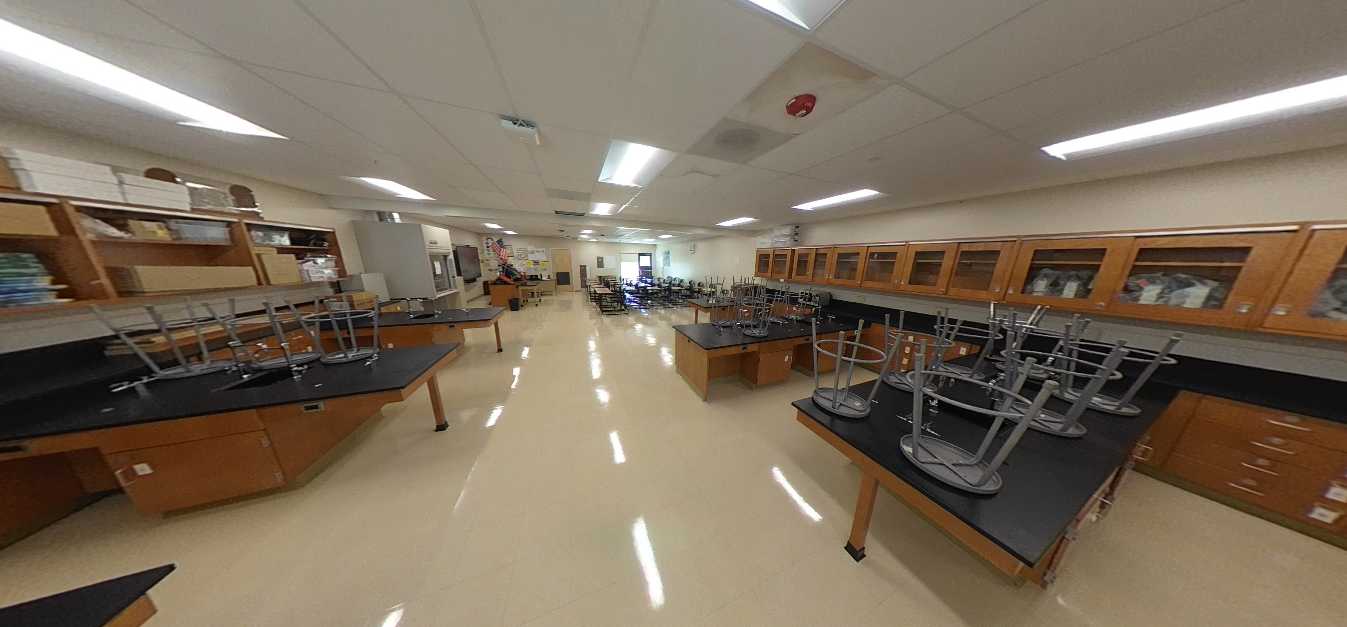
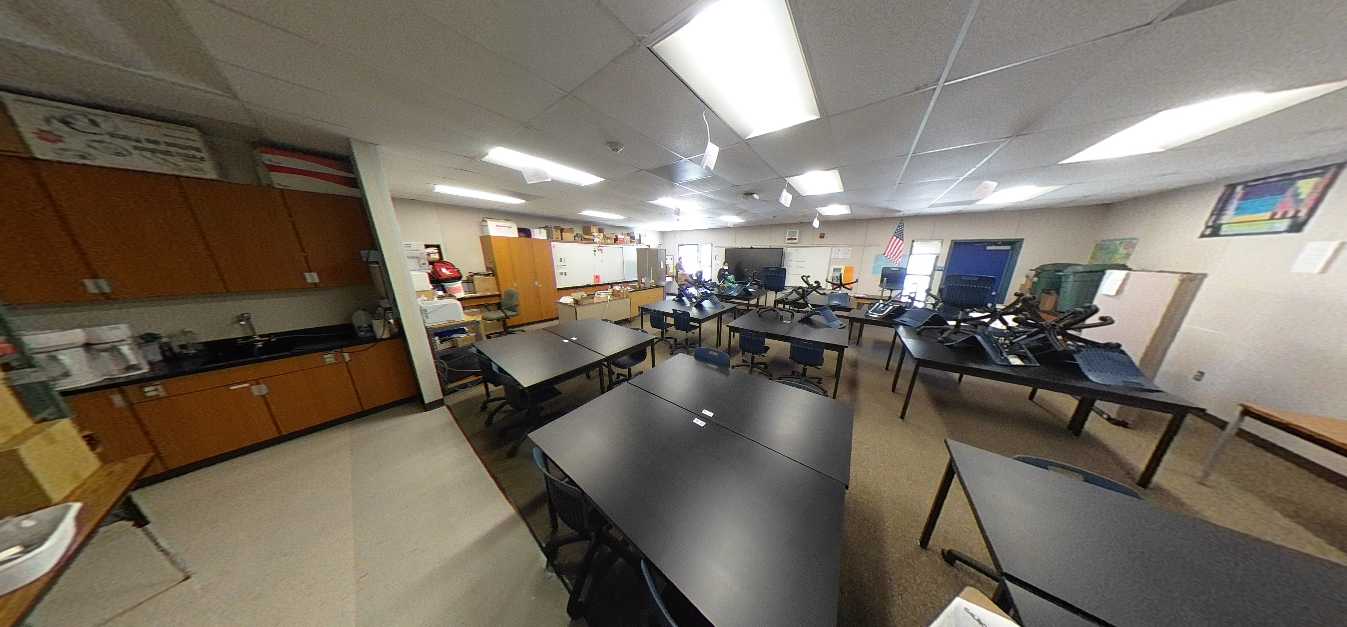
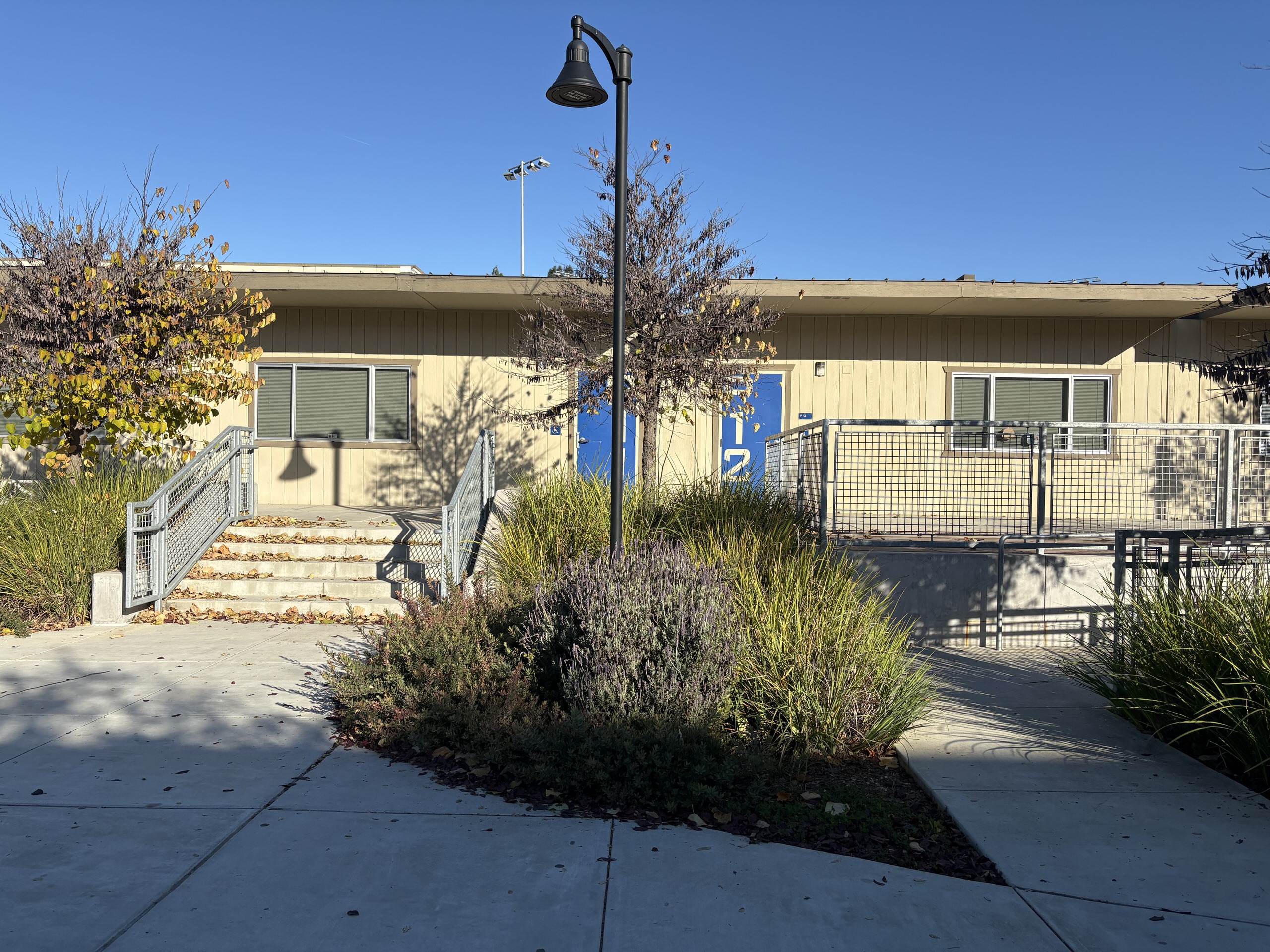
Additional classrooms are housed in an L-shaped portable complex near the athletic fields surrounding a well-maintained courtyard. These units are newer and in good interior condition. Science classrooms are generally in fair condition, featuring epoxy work surfaces, metal seating, adequate storage, and integrated sinks. However, interior finishes vary widely, ranging from fair to poor. Overall, instructional spaces remain functional but require modernization, particularly within the single-story buildings.
Administration & Library Building
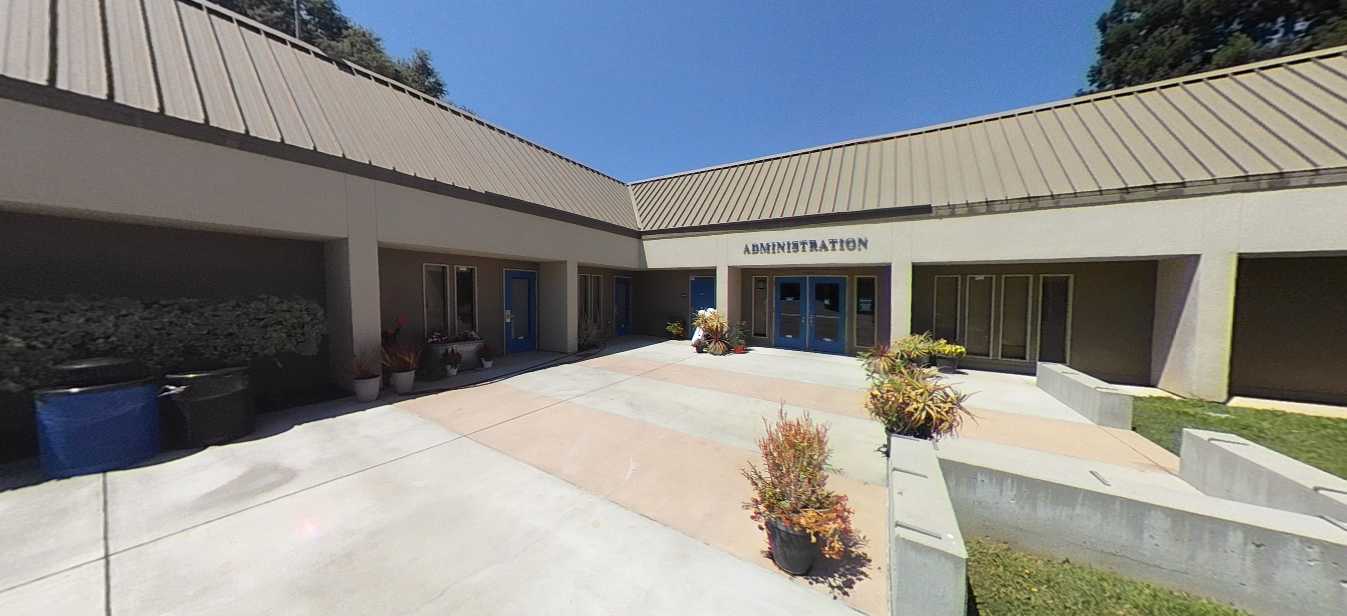
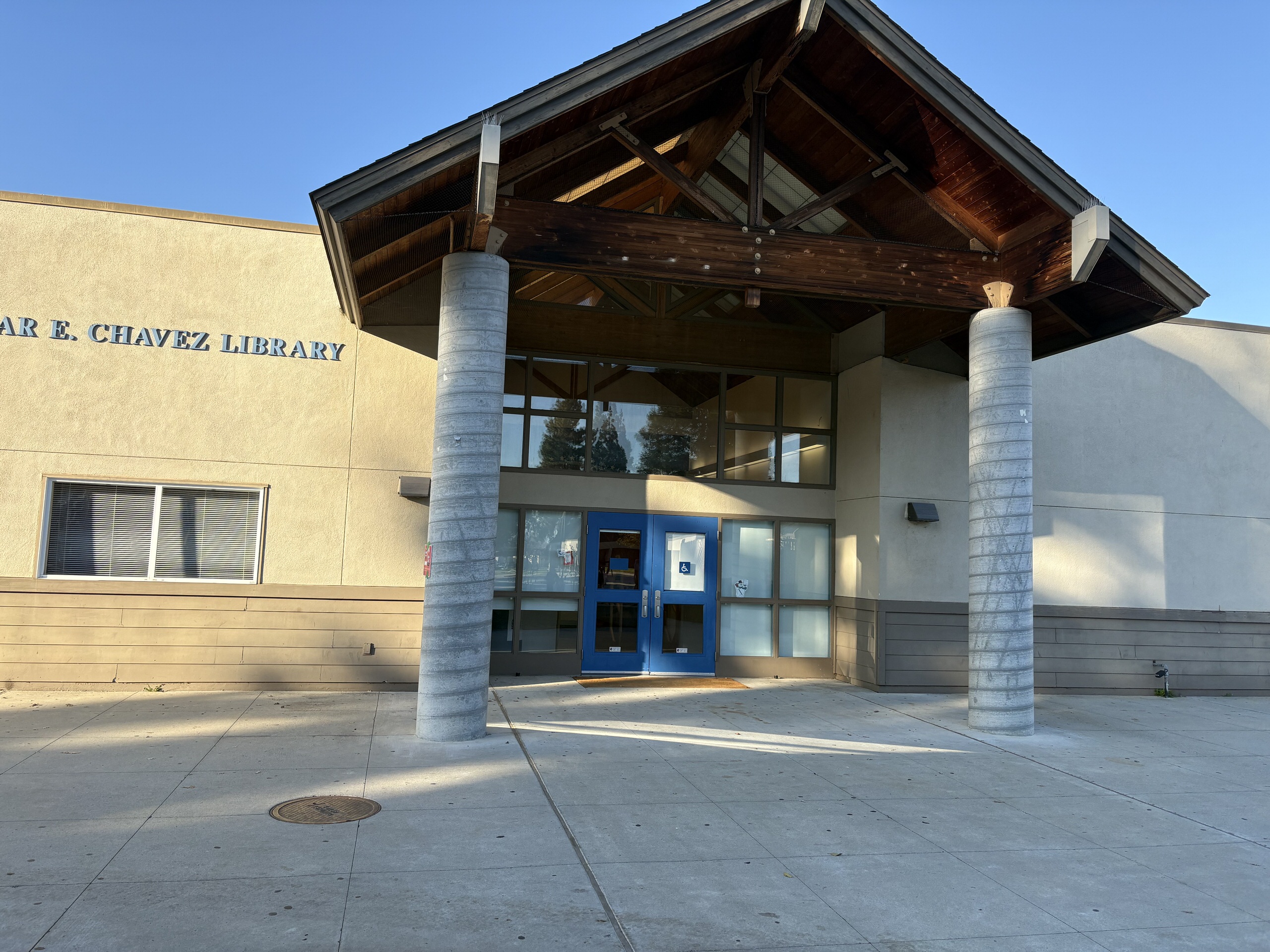
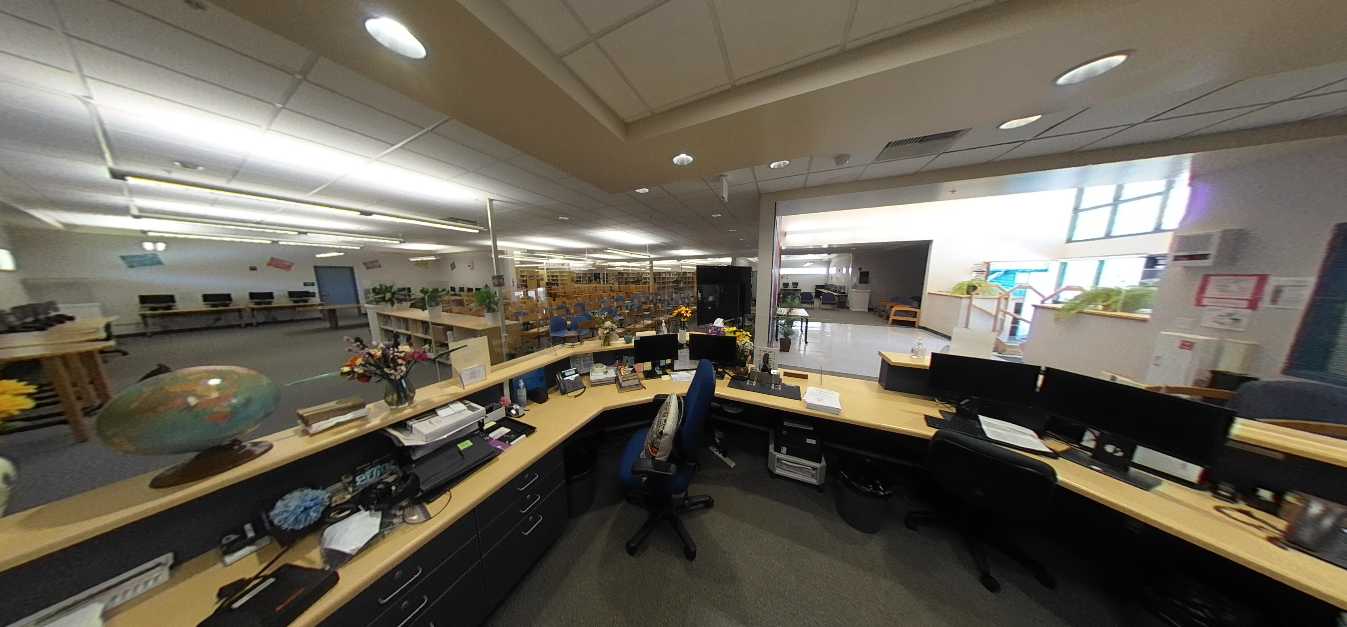
The administration and library complex is located on the north side of campus, with administration facing the visitor parking lot and the library oriented toward the quad. Wayfinding is unclear, and the main entrance is not easily identifiable from the primary campus approach. The two program elements intersect at a courtyard, where the administrative entry is positioned but not prominently visible.
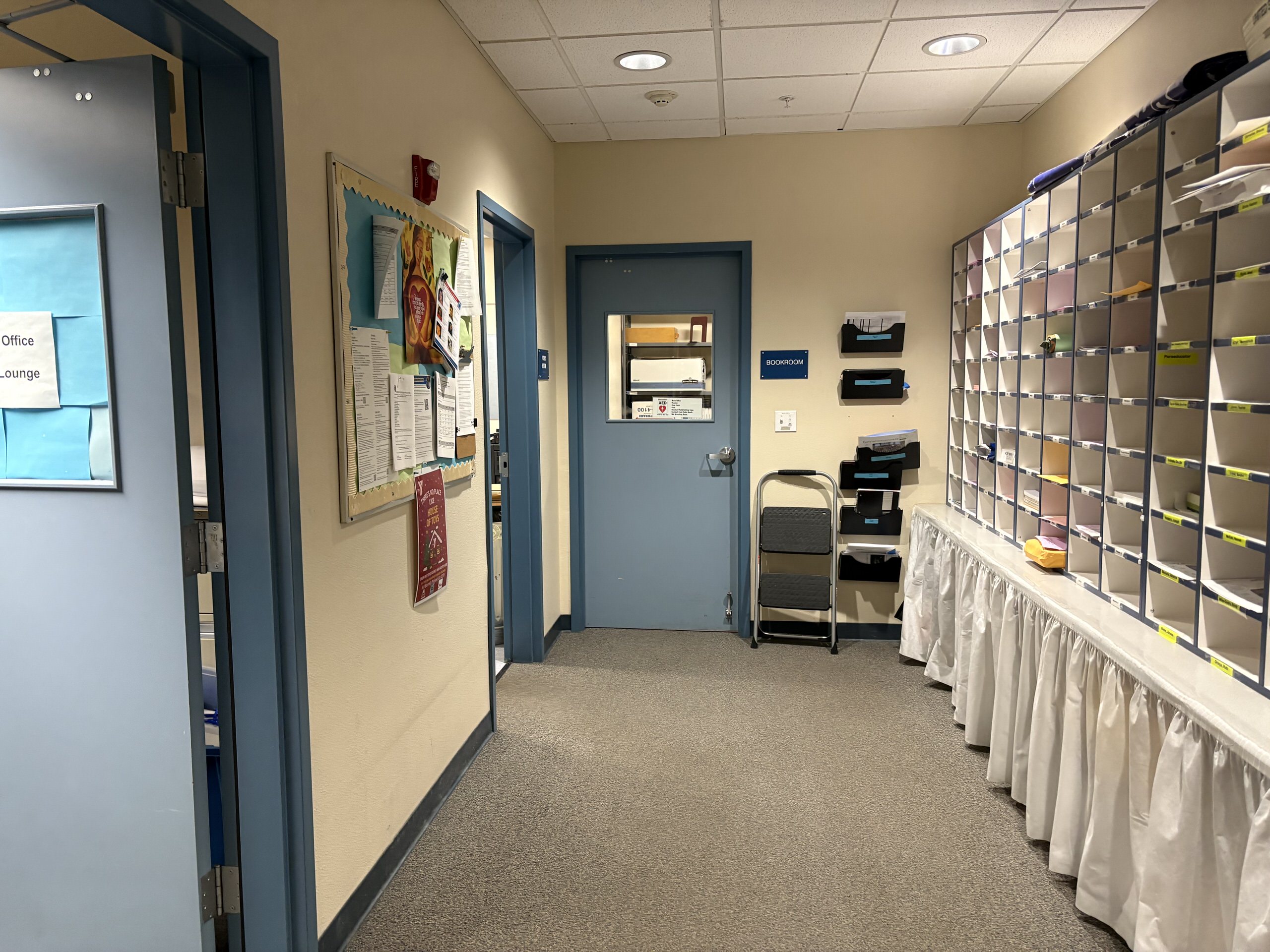
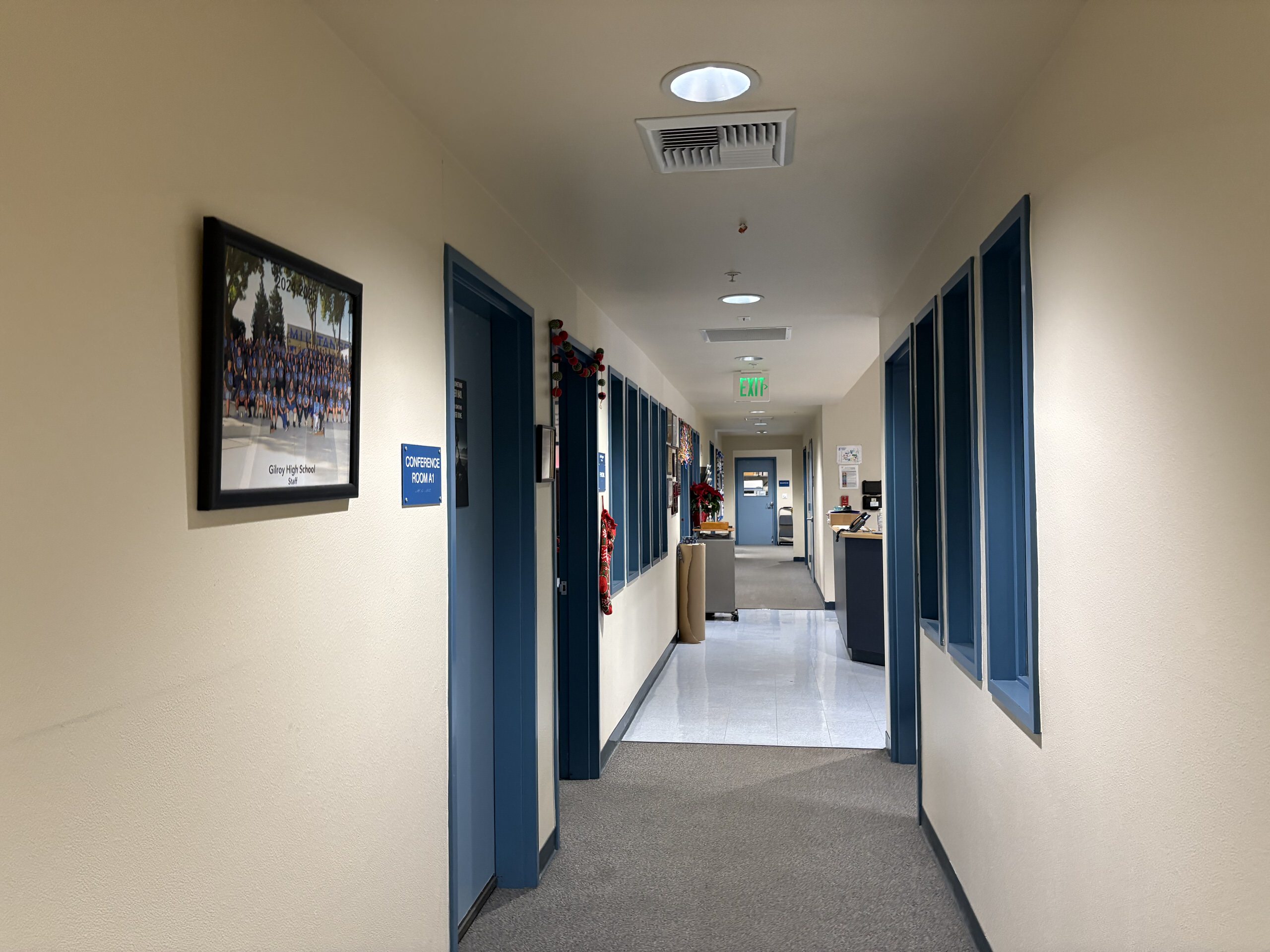
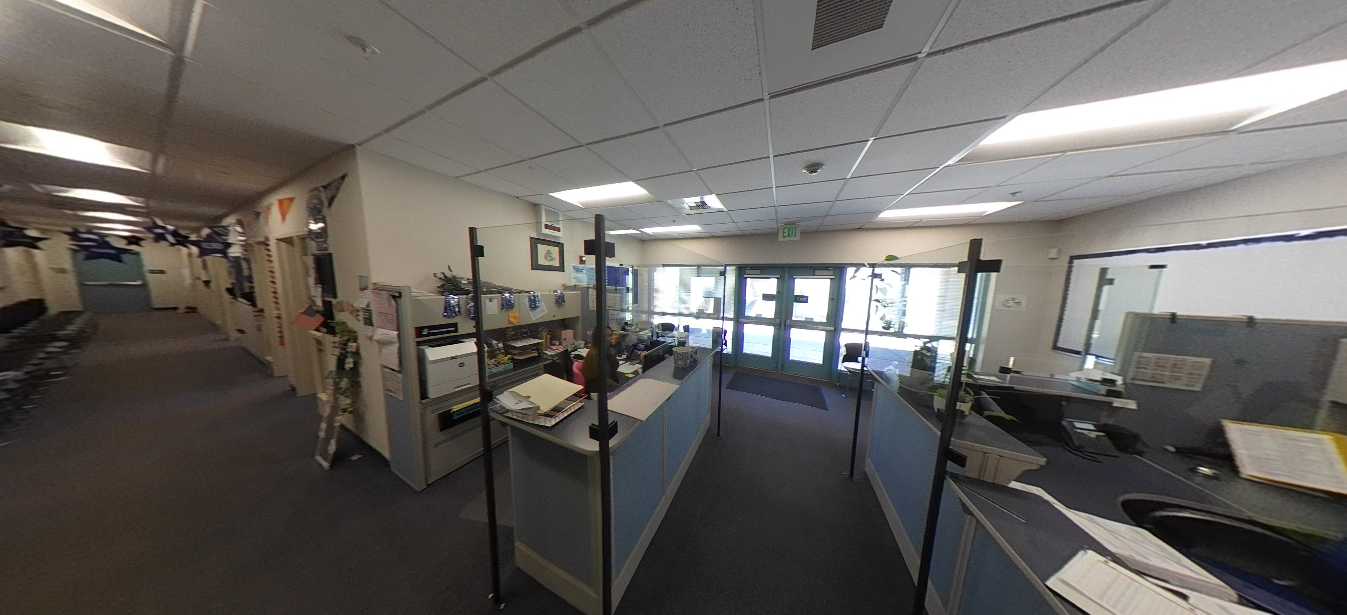
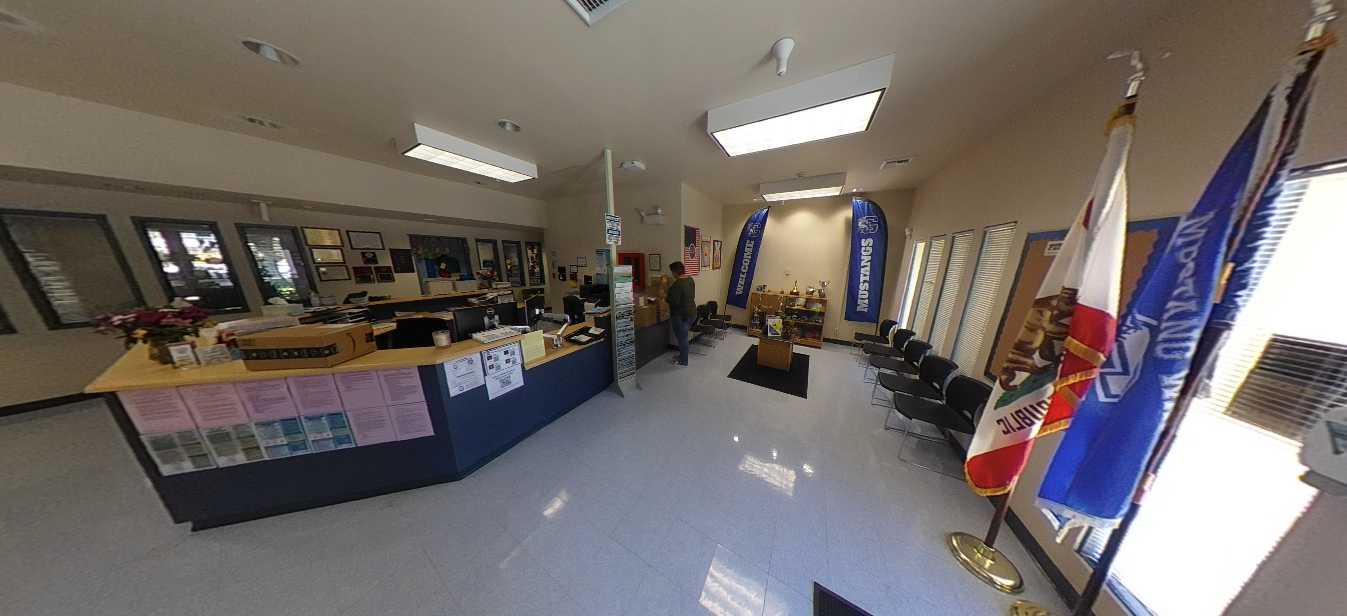
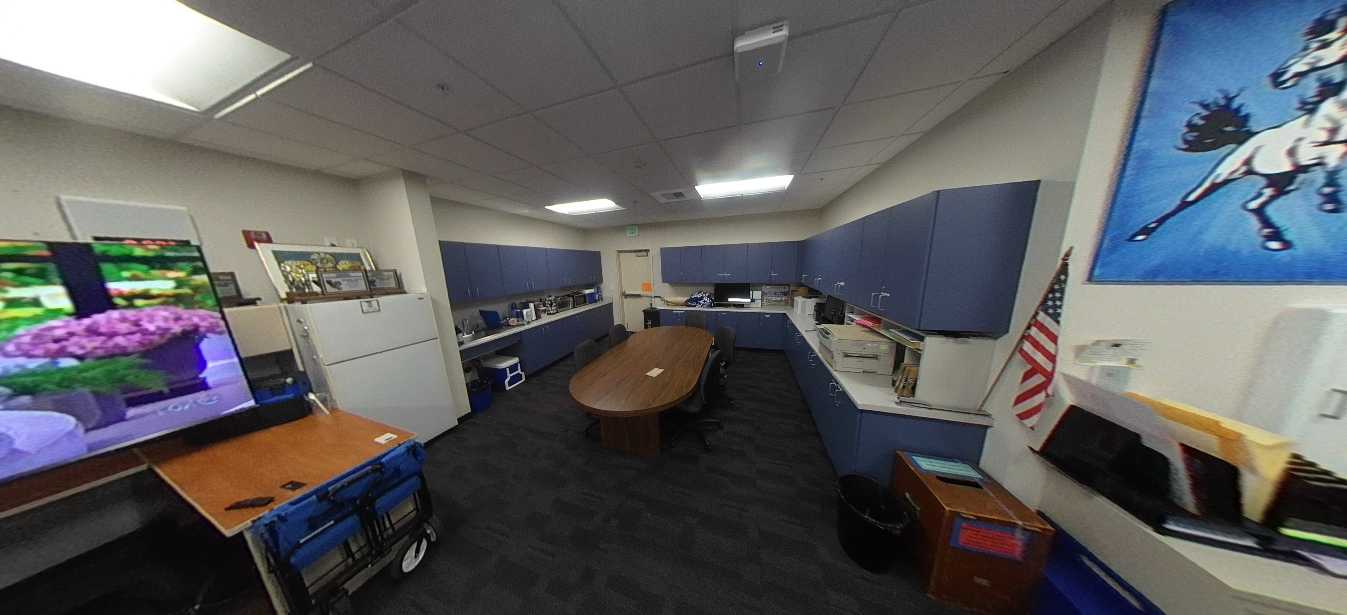
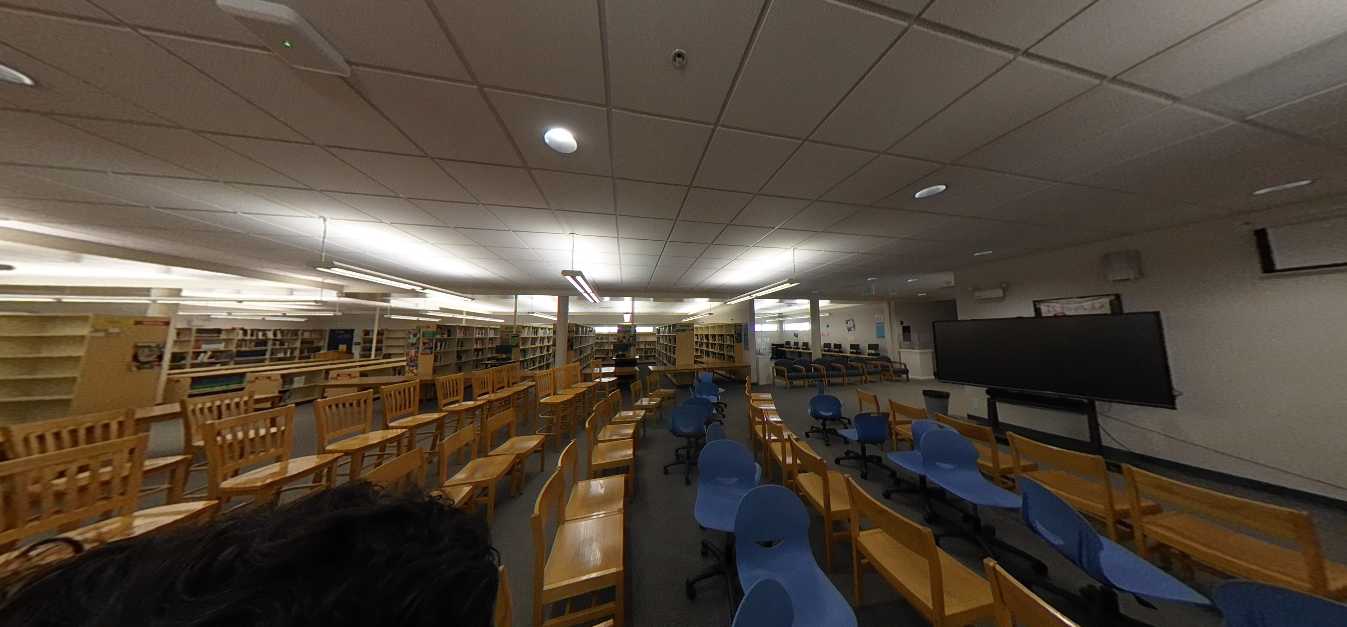
Within administration, the reception area leads to the principal’s office, conference rooms, nurse’s office, restrooms, open-office areas, and storage. While generally functional, the layout and finishes are dated and would benefit from modernization. The library is a large space with worn furnishings, minimal technology integration, and a traditional layout that does not support collaborative or flexible learning. Additional administrative services, including counseling and career center functions, are located at the opposite end of the library. Both the library and administrative areas are heavily utilized but require comprehensive upgrades to improve efficiency, accessibility, and adaptability.
Restrooms
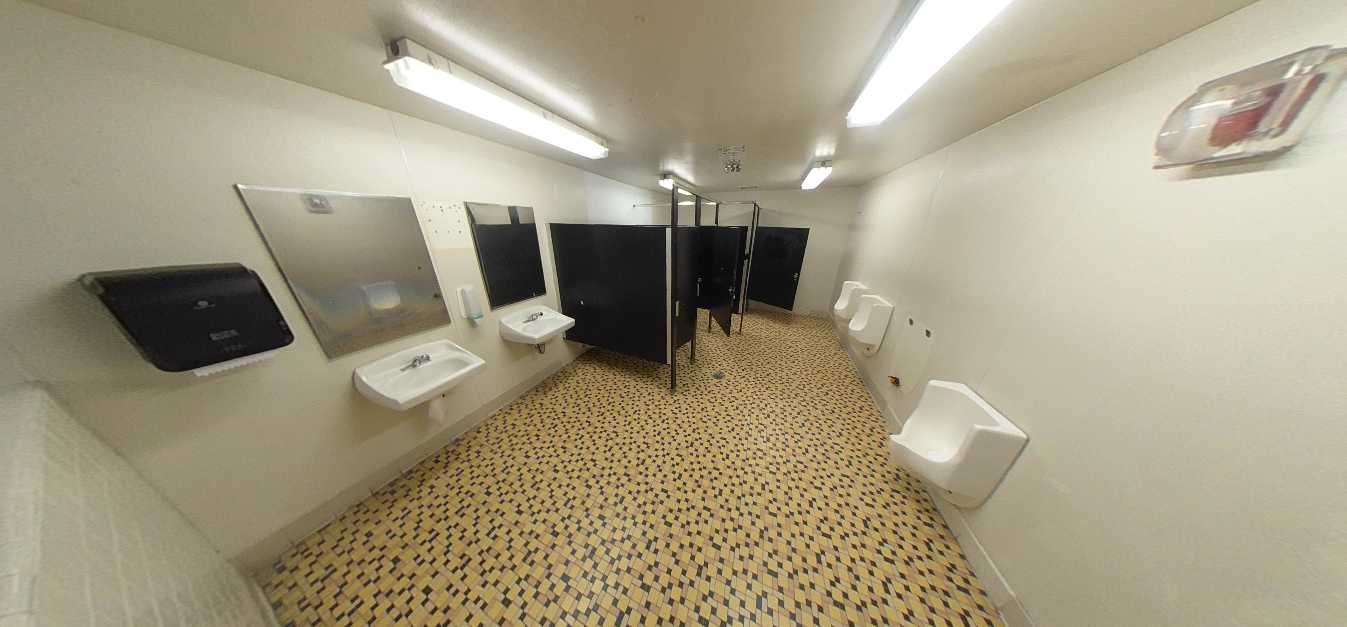
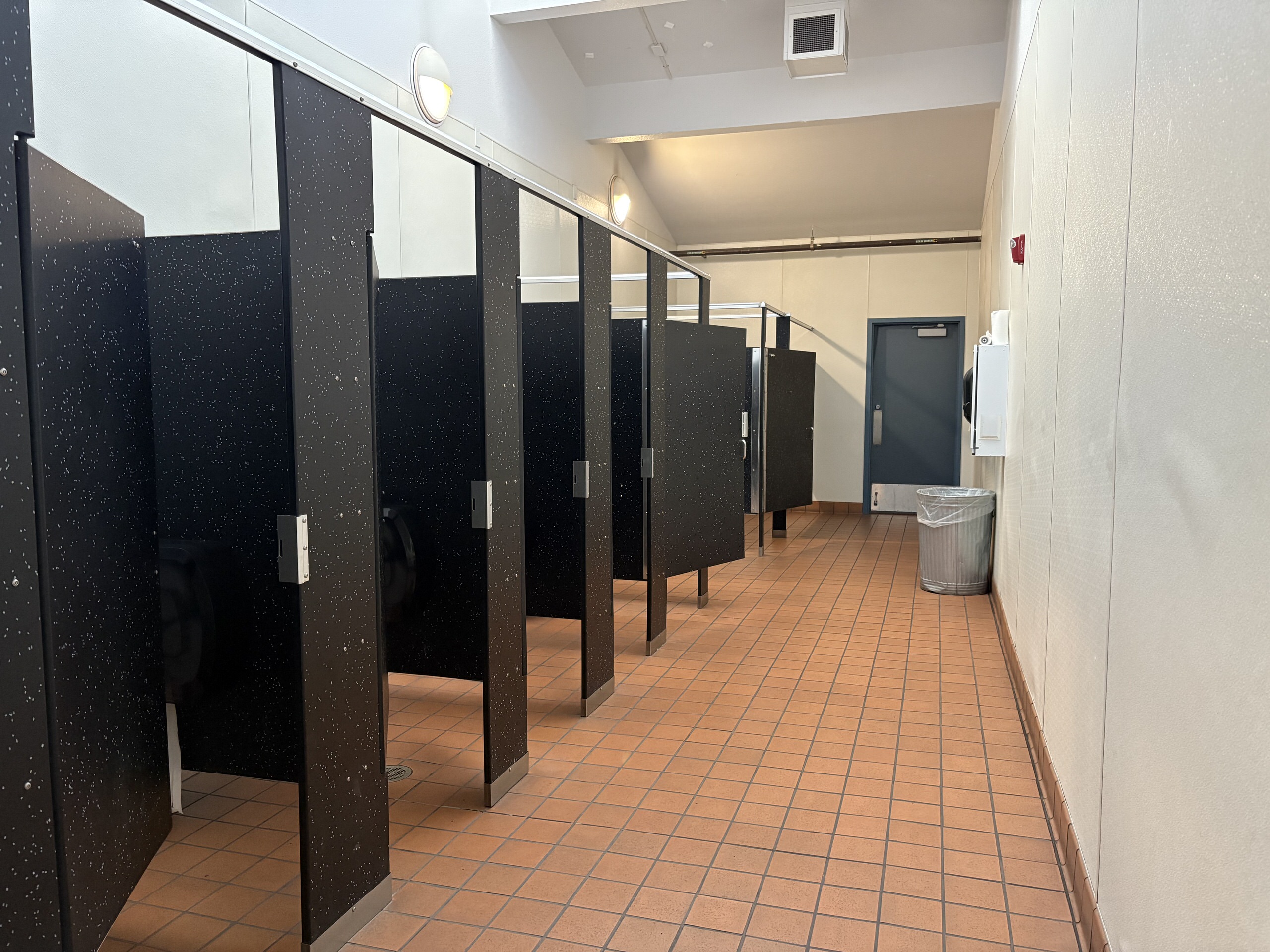
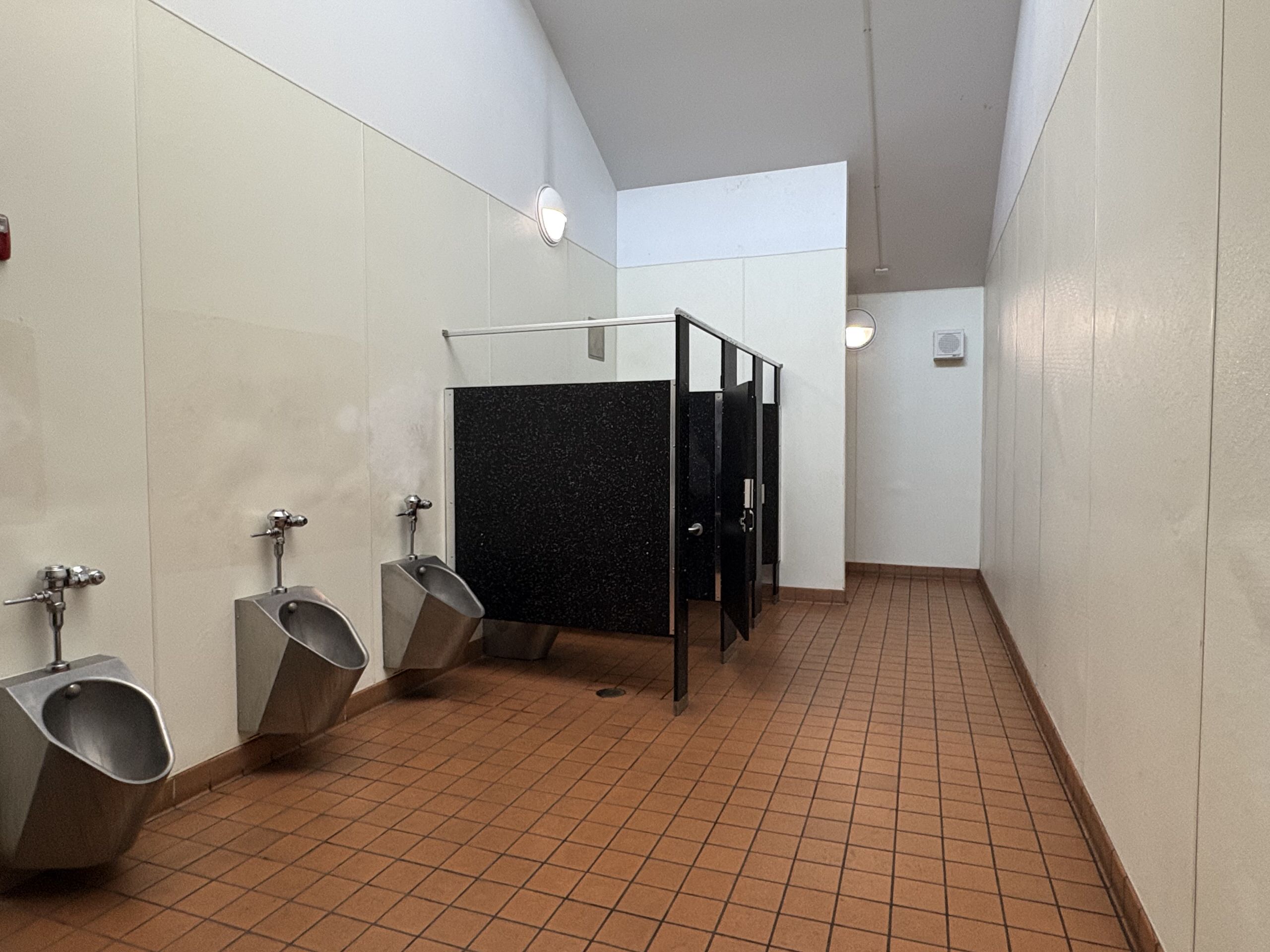
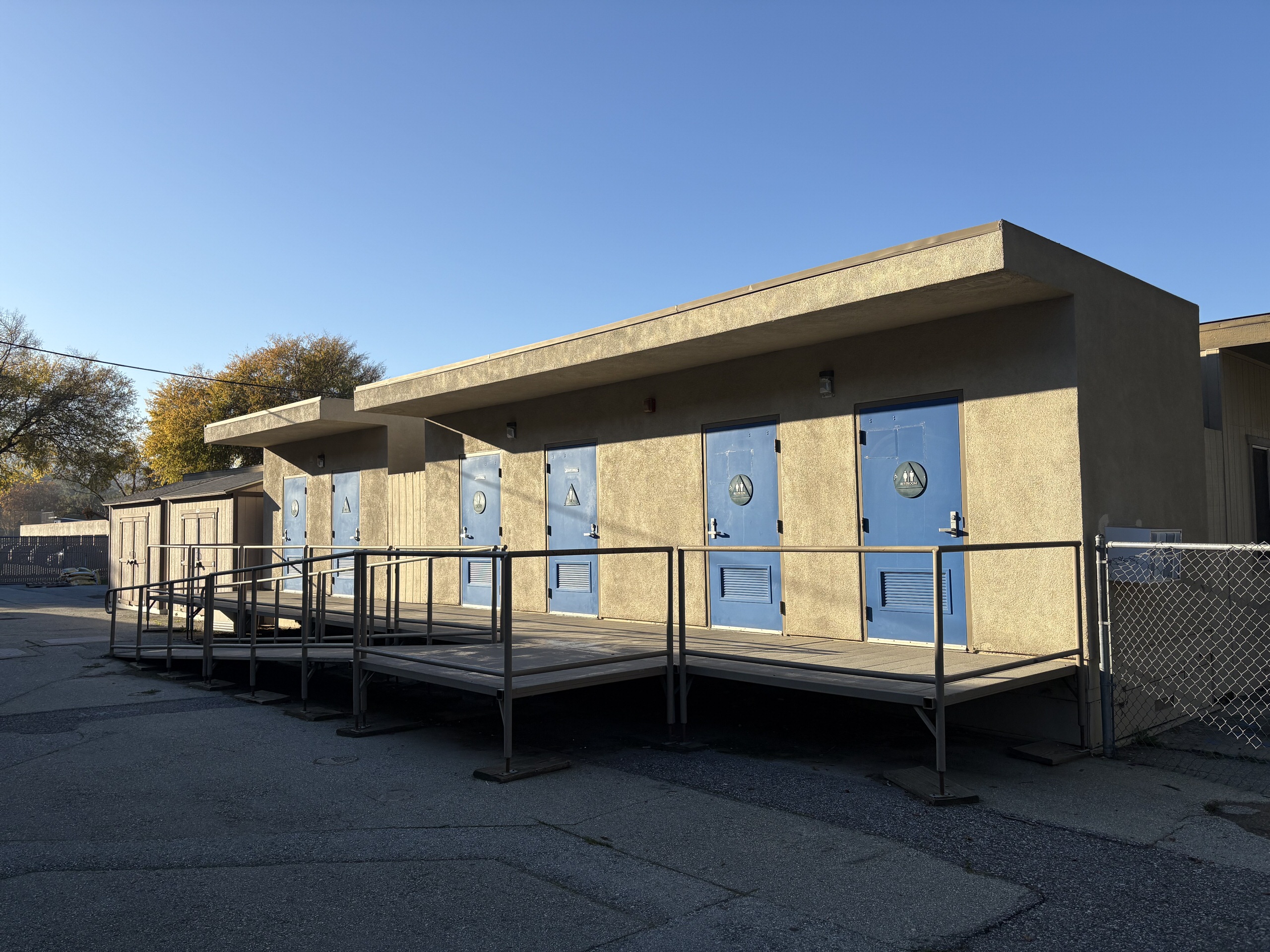
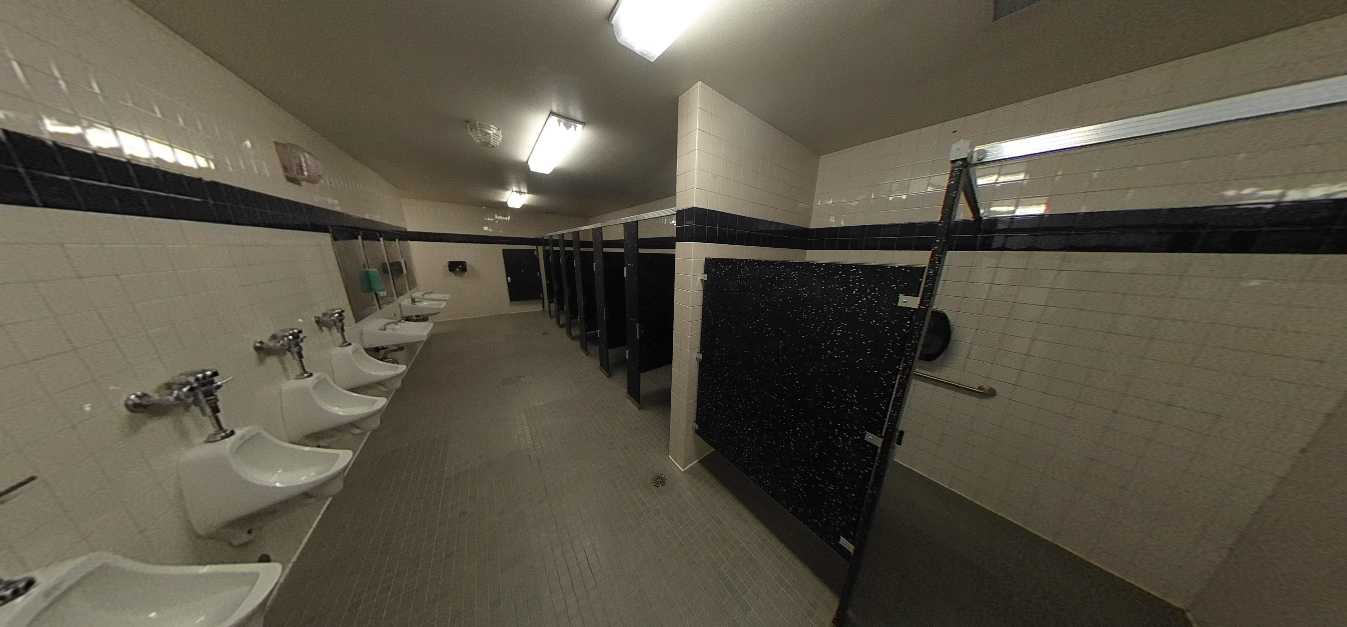
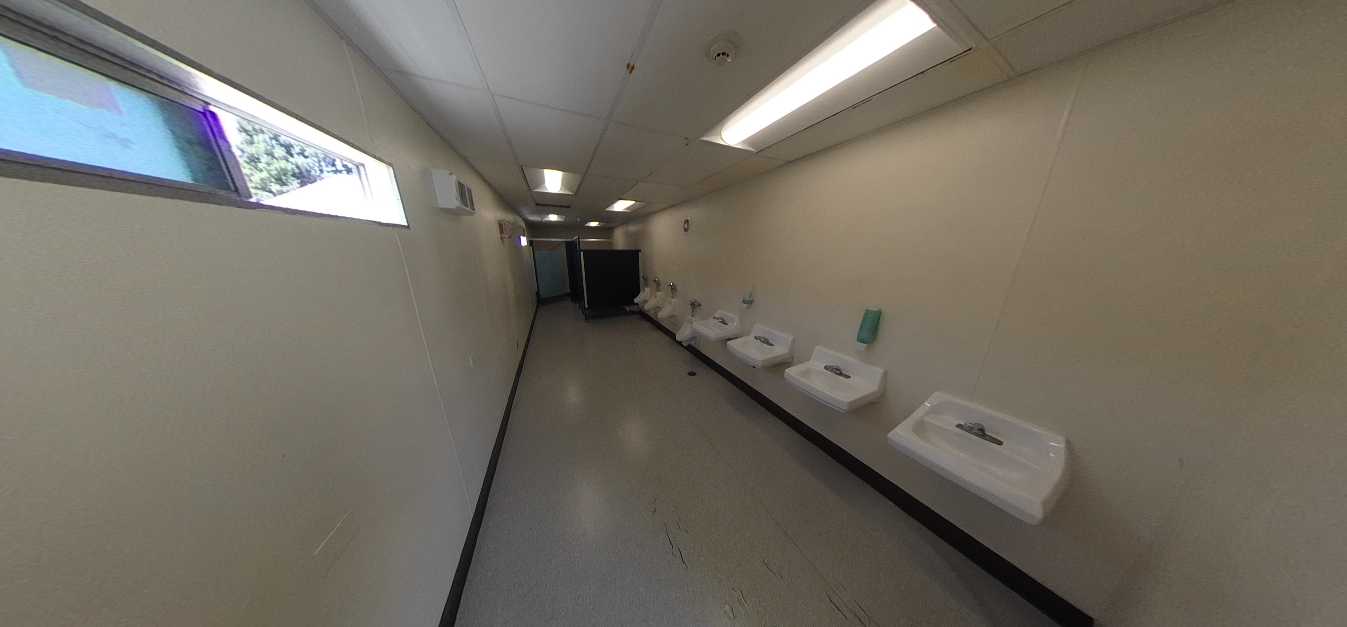
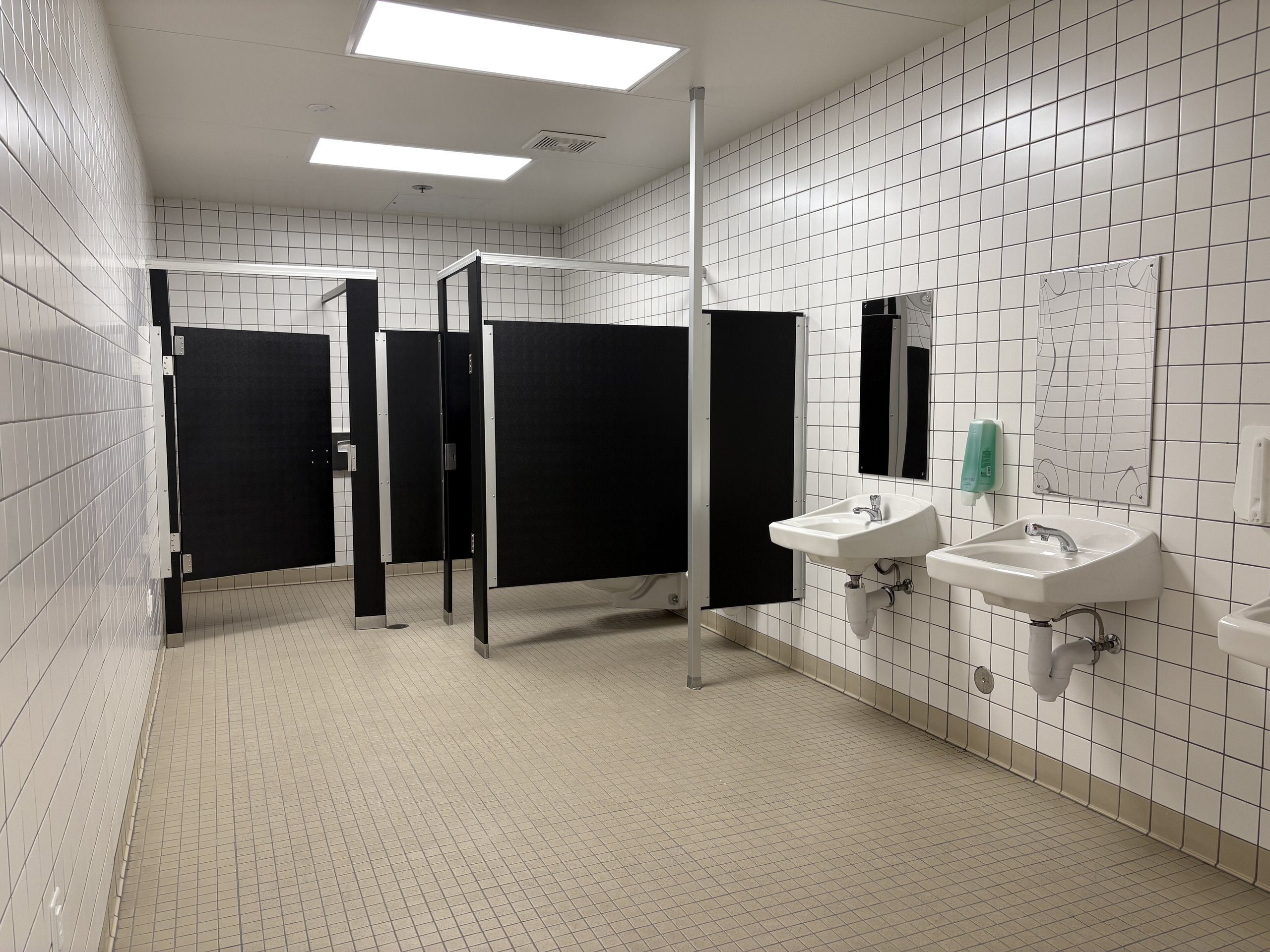
Restrooms throughout campus range from poor to fair condition. Most facilities include original 4”x4” ceramic tile, phenolic partitions, and worn flooring surfaces. While fixtures remain operational, many exhibit staining, chipped finishes, and outdated plumbing. Although basic accessibility requirements are generally met, several accessories and fixtures do not fully comply with current ADA standards. Ventilation and lighting vary significantly, contributing to odor and ongoing maintenance challenges.
Student Center
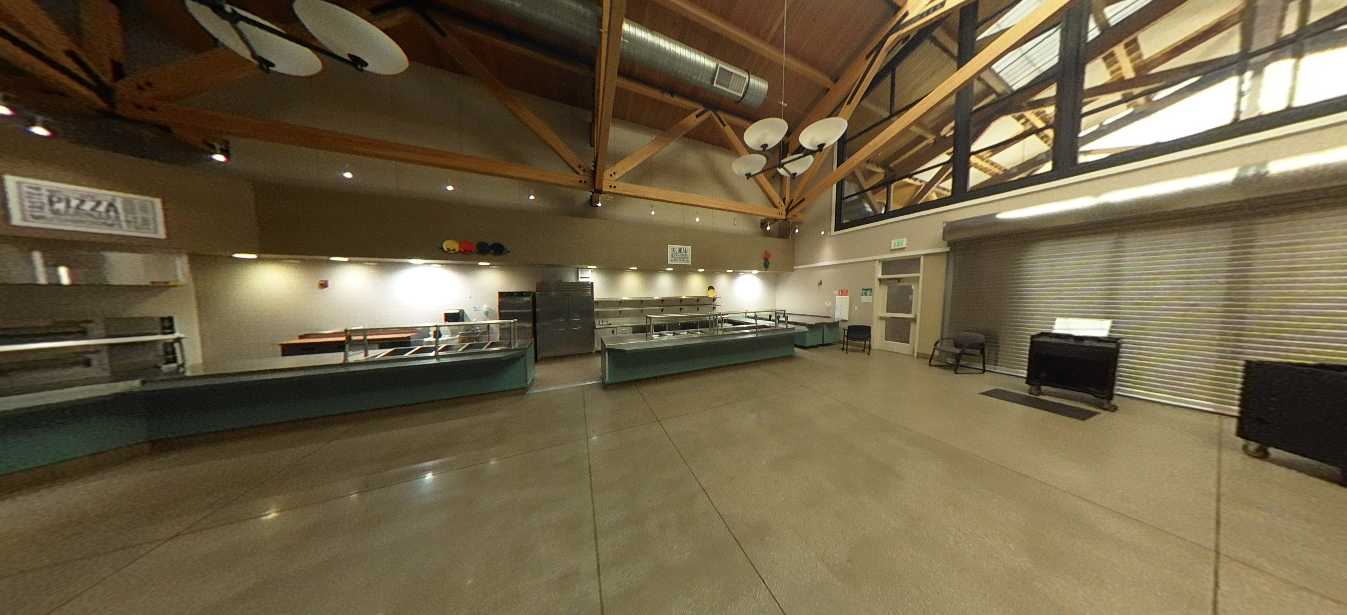
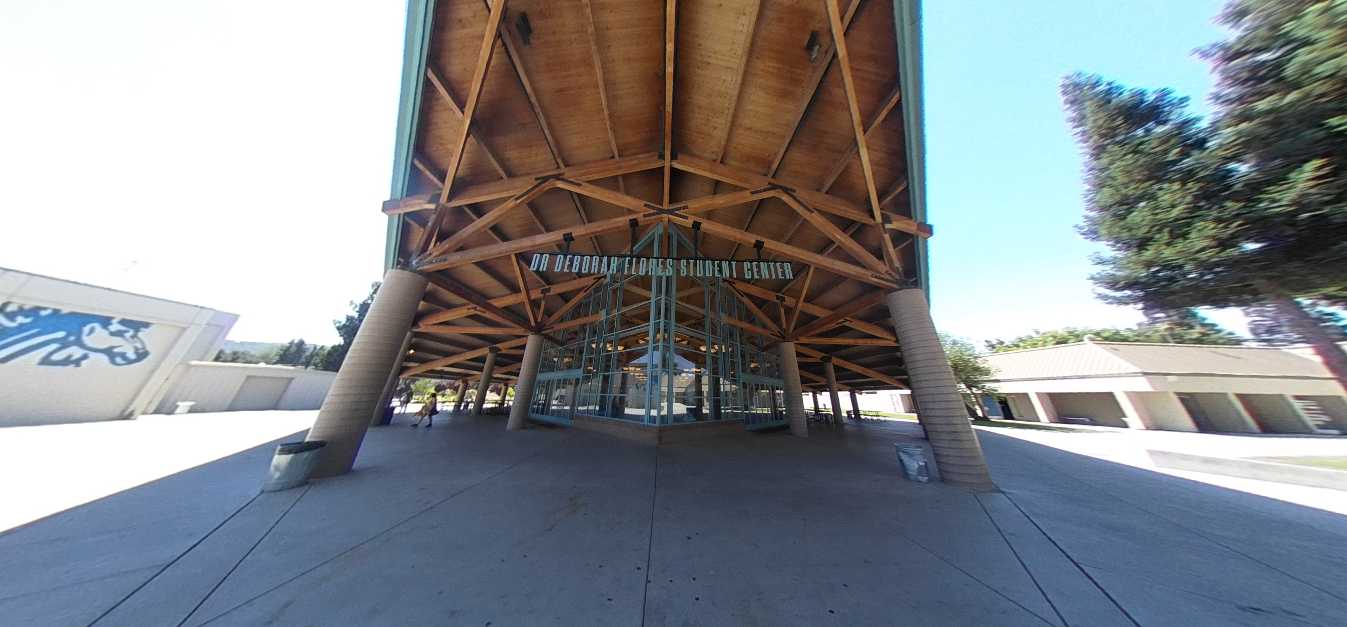
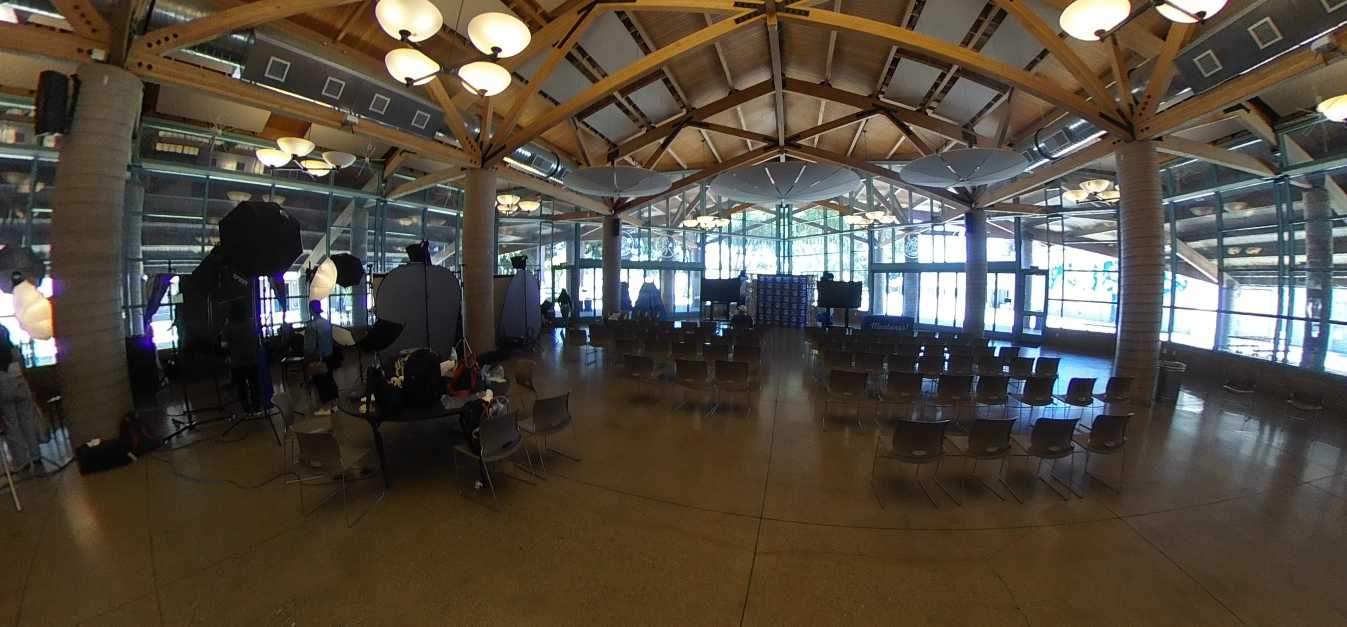
The student center is one of the campus’s most modern facilities and serves as a primary hub for dining, wellness, and student activities. The building features extensive natural light, an exposed wood structural system, high ceilings, and polished concrete flooring, creating a contemporary and inviting environment. The cafeteria includes a fully equipped kitchen and servery with a roll-up service door. Adjacent to the dining area, the wellness center provides comfortable seating and a welcoming atmosphere for student support services. Overall, the student center is in excellent condition and functions as one of the most successful and highly utilized spaces on campus.
Finishes
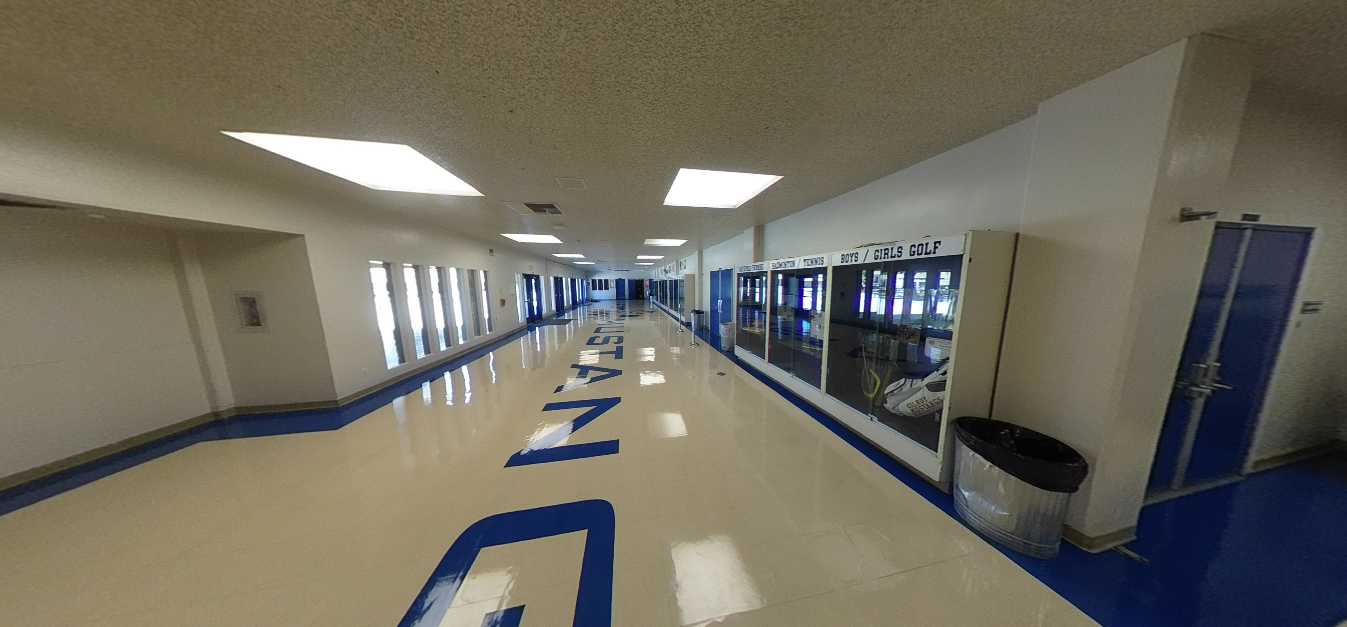
Interior and exterior finishes across campus range from poor to fair, reflecting the mix of original 1970s construction and more recent additions. Stucco exteriors show staining and deterioration, and several standing-seam roofs exhibit visible damage. Single-story classroom buildings commonly feature worn VCT flooring and dated acoustic ceiling tiles, while CTE and specialty classrooms display significant deterioration. In contrast, the two-story classroom buildings and the student center finishes are in good condition. Restrooms, locker rooms, and gymnasium finishes remain outdated and require modernization, including improved accessibility. Campus-wide, substantial upgrades are needed to address deterioration of finishes, furniture, roofing systems, and shade infrastructure.
Immediate Needs (0-5 Years)
-
Resolve gym roofing issues and implement new HVAC.
-
Provide sitewide permanent shade structures and at the pool.
-
Incorporate hydration and bottle-filling stations across campus.
-
Modernize and resolve accessibility and aging issues with the football stadium and track. Provide a new press box.
Long Term Needs (5-10 Years)
-
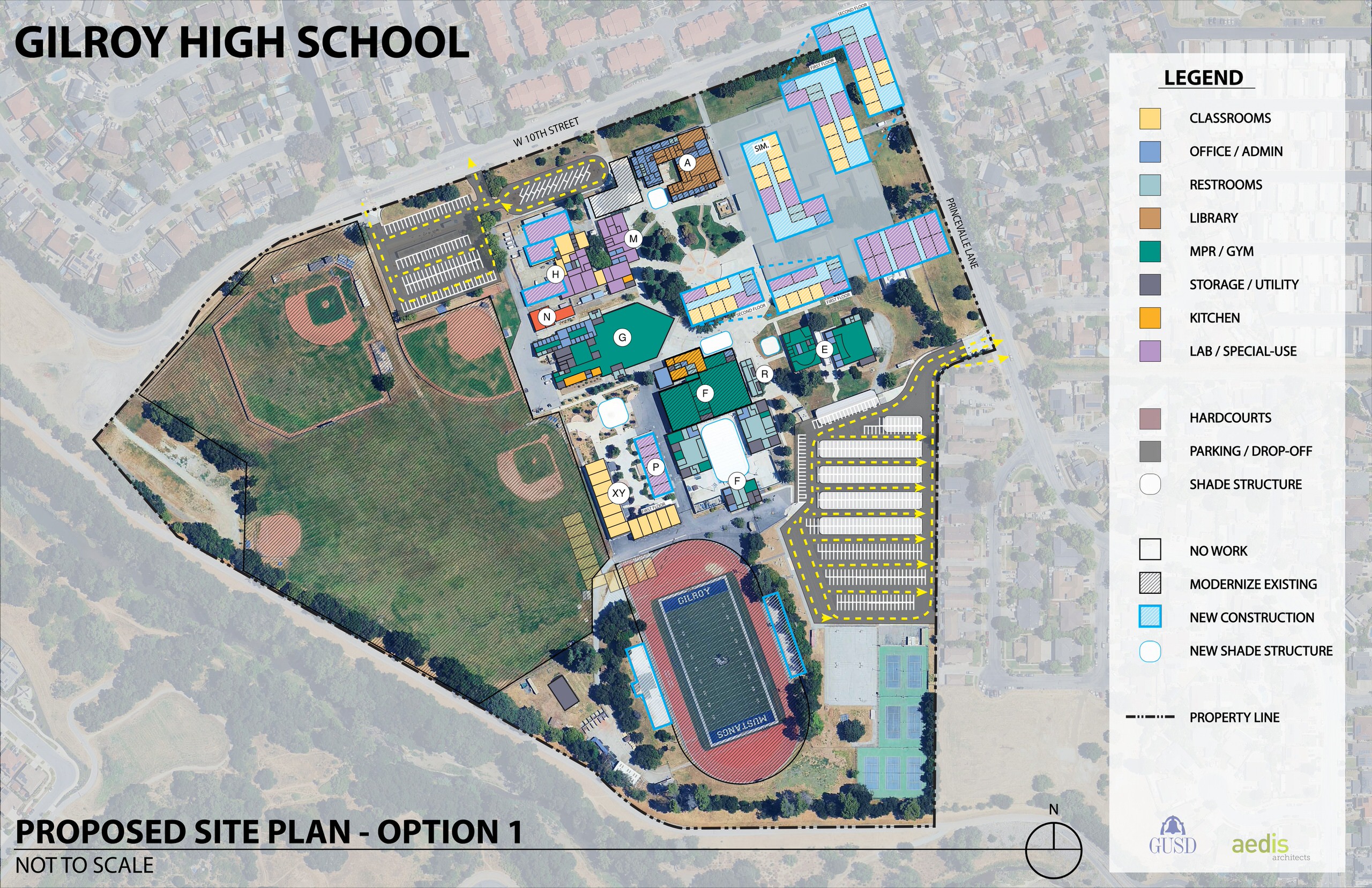
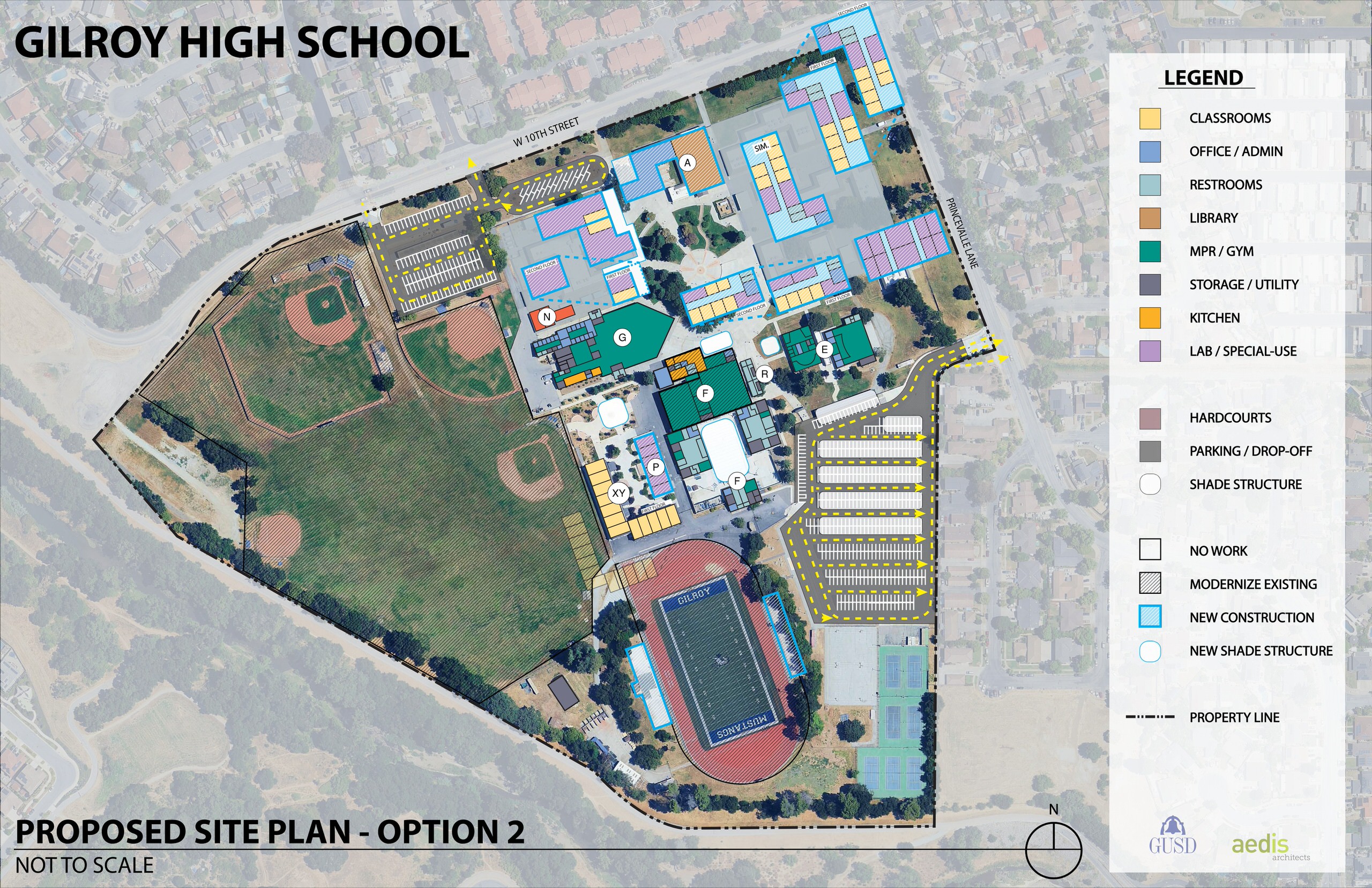
Replace and reconfigure gym and athletic facilities, including new softball and baseball fields, dedicated weight room, equitable locker rooms, and modernized wrestling space.
-
Replace portable facilities with a new permanent CTE building for culinary programming. Replace or Modernize current CTE classrooms to meet program requirements.
-
Replace or reconfigure the administration building and main entrance.
-
Replace or modernize the library into a flexible, collaborative workspace.
-
Replace the single-story classrooms buildings with new two-story buildings.
Existing and Proposed Site Plans
Community Engagement Feedback
Mental Health and Social Emotional Needs
Student
Student
Student
Cost Estimate
Site
Gilroy HS
Immediate Needs (0-5 Years)
Facility Condition Index (FCI)* (5 Years)
Long Term Needs (5-10 Years)
Facility Condition Index (FCI)* (10 Years)
New Construction
Deferred Maintenance
Sport Fields & Playgrounds
Total Site Project Cost (0-5 Years)***
$213,018,439
Total Site Project Cost (5-10 Years)****
$285,066,723
**Gilroy High School has two options the cost shown here are for option #2.
See the site specific section for Gilroy High School for the full breakdown of each option.
*** Total Project Costs Include:
Base Construction Cost + Contractor Mark Up (30%) + Soft Costs (44%) w. Escalation (5yr)
****Total Project Costs Include:
Base Construction Cost + Contractor Mark Up (30%) + Soft Costs (44%) w. Escalation (10yr)
* FCI Ratings:
| 0-5% | In new or well-maintained condition, with little visual evidence of wear or deficiencies. |
|---|---|
| 5-10% | Subjected to wear but is still in a serviceable and functioning condition. |
| 10-30% | Subjected to hard or long-term wear. Nearing the end of its useful or serviceable life. |
| 30% and Above | Has reached the end of its useful or serviceable life. Renewal is now necessary. |
Photo Gallery
Facilities Condition Assessment Report
Placeholder Text
Comments
Use the link below to leave comments on this campus specific proposed modernization plan.