Community Engagement
We held community meetings to ensure the community’s voice helps shape the future of our schools.
These meetings gave us the chance to share clear and honest information about school facilities and potential improvements, while also allowing families, students, staff, and neighbors to tell us what matters most to them.
By working together, we can create a Facilities Master Plan that reflects our community’s priorities and supports our schools for years to come.
Community Engagement Overview
Engagement Approach
The District provided multiple opportunities for community members to participate in the engagement process. In-person community workshops were hosted and jointly facilitated by the District, the Architectural Team and Strategy Team. The workshop sessions were complemented by a districtwide community survey. To reduce barriers to participation, three workshop sessions were offered at different times, weekdays, evening as well as weekend.
The community survey was made available in multiple formats, including hard copies distributed at workshops and a web-based platform, both offered in English and Spanish. The online version of the survey was available for a two-month period. This multi-layered approach ensured that stakeholders could engage in ways that best aligned with their schedules, preferences, and accessibility needs.
In-Person Workshops
Each workshop began with an overview of the Facilities Master Plan process, including an introduction to bond fundamentals, to help participants understand how facility planning supports educational goals and future funding considerations. Workshops then transitioned into interactive activities designed to capture community priorities and perspectives.
Participants identified site-specific strengths, discussed facility deficiencies, and shared ideas for future improvements. Small-group discussions provided opportunities to explore community values, site-specific needs, and potential trade-offs, including considerations related to renovation versus replacement. Through these discussions, participants gained a clearer understanding of the Facilities Master Plan as a long-term roadmap for improving school facilities and supporting student success.
Community Survey Participation
Survey Focus Areas
Community input collected through the workshops and survey was organized around six key focus areas that address both facility conditions and student experience:
- Safety and Security – Ensuring campuses are safe, secure, and accessible for students, staff, and visitors.
- Support Spaces – Evaluating the adequacy and functionality of administrative, staff, student support, and family engagement spaces.
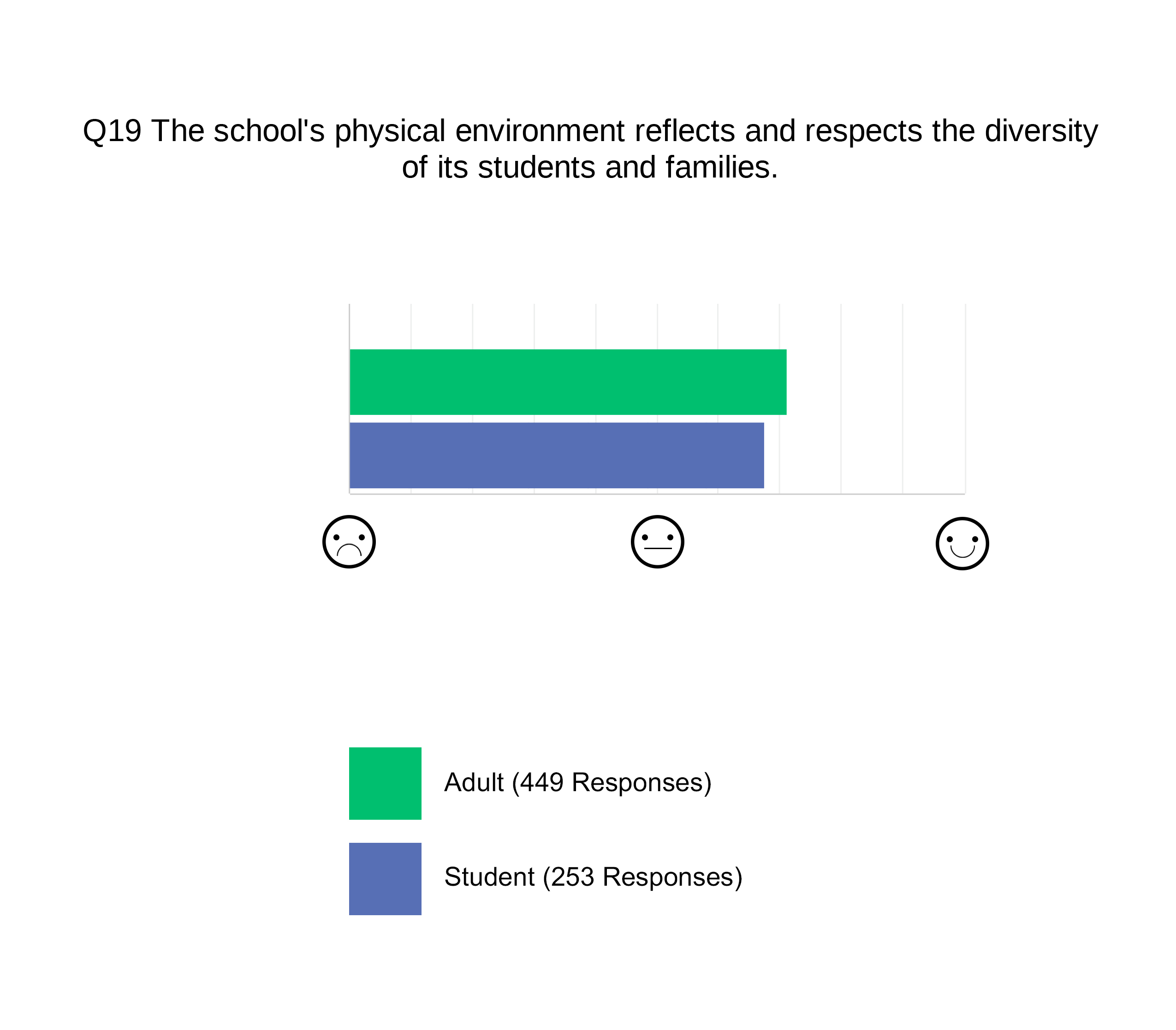
- Cultural Belonging and Identity – Understanding how facilities can reflect community values, promote inclusion, and strengthen a sense of belonging.
- Specialized Learning Environments – Identifying needs for modern, flexible spaces that support specialized programs and evolving instructional practices.
- Biophilic and Sustainable Design – Exploring opportunities for sustainability, energy efficiency, outdoor learning, and nature-based design strategies.
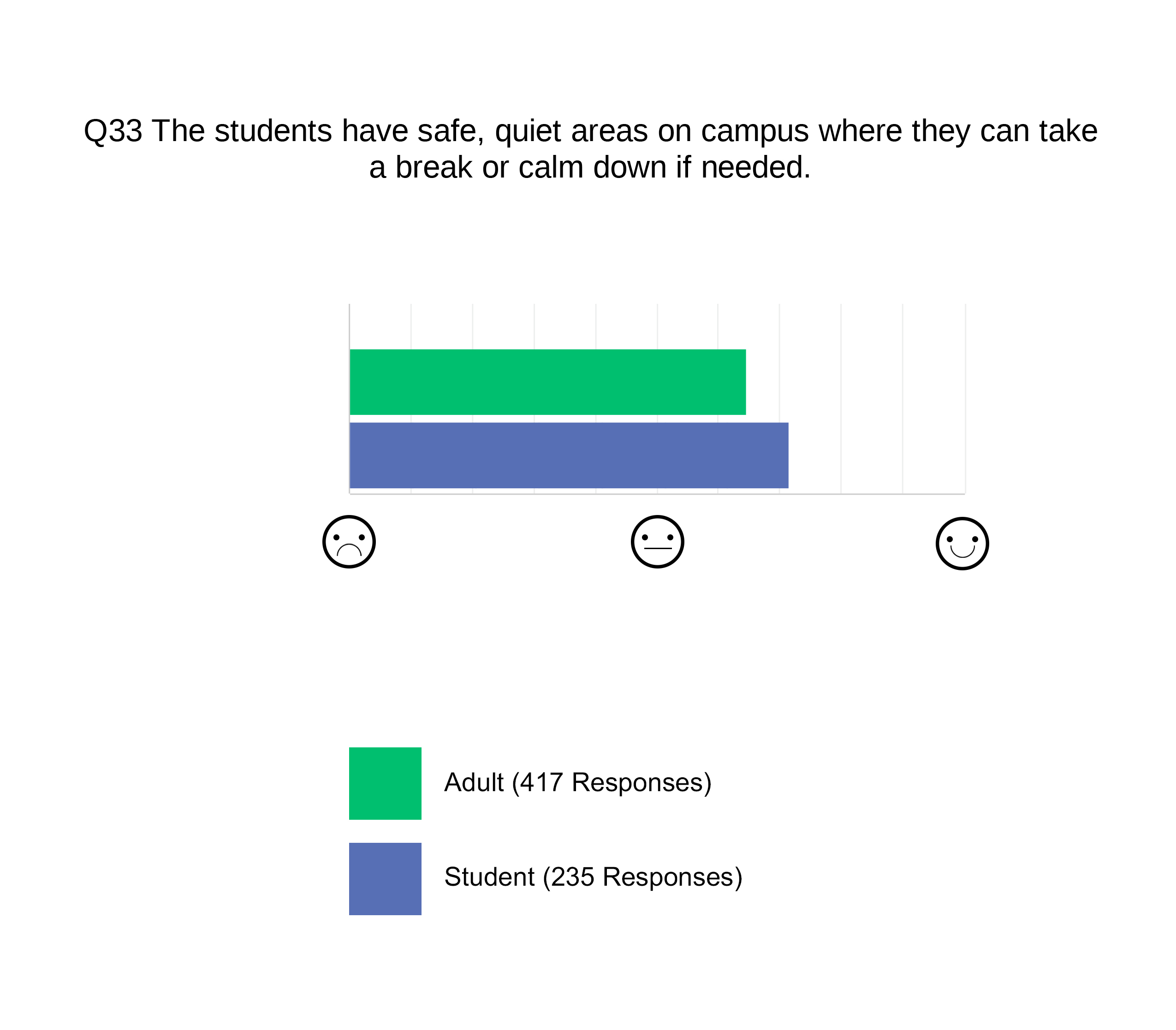
- Mental Health and Social-Emotional Needs – Assessing how facilities can support student wellness, comfort, and social-emotional learning.
These focus areas provided a consistent framework for collecting feedback and aligning community priorities with educational objectives.
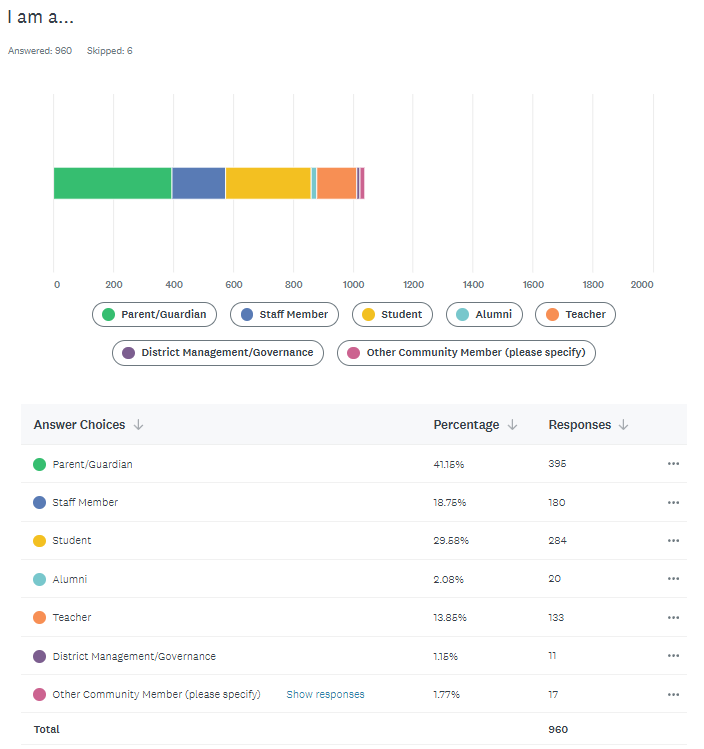
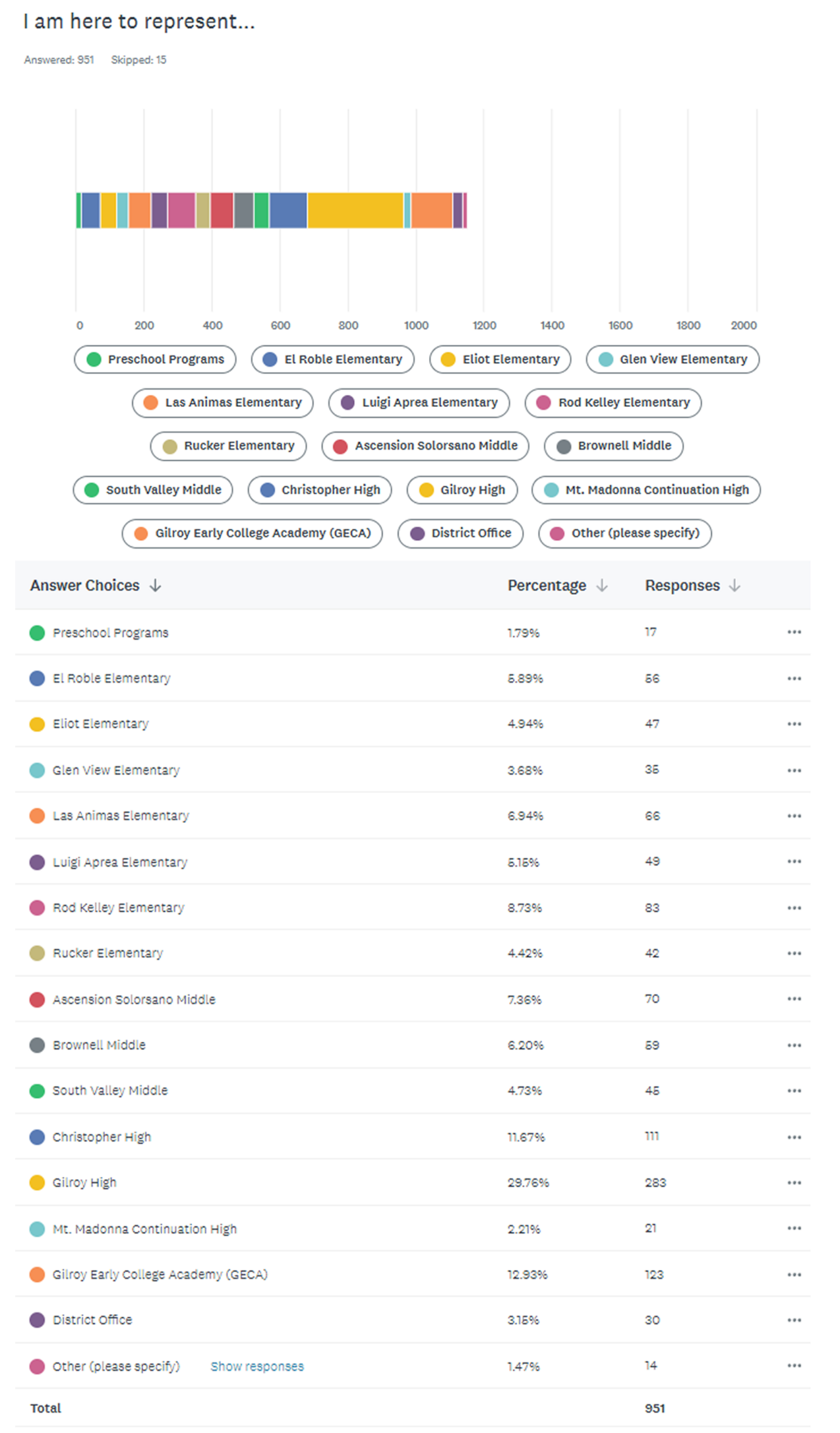
General overview of the data collected:
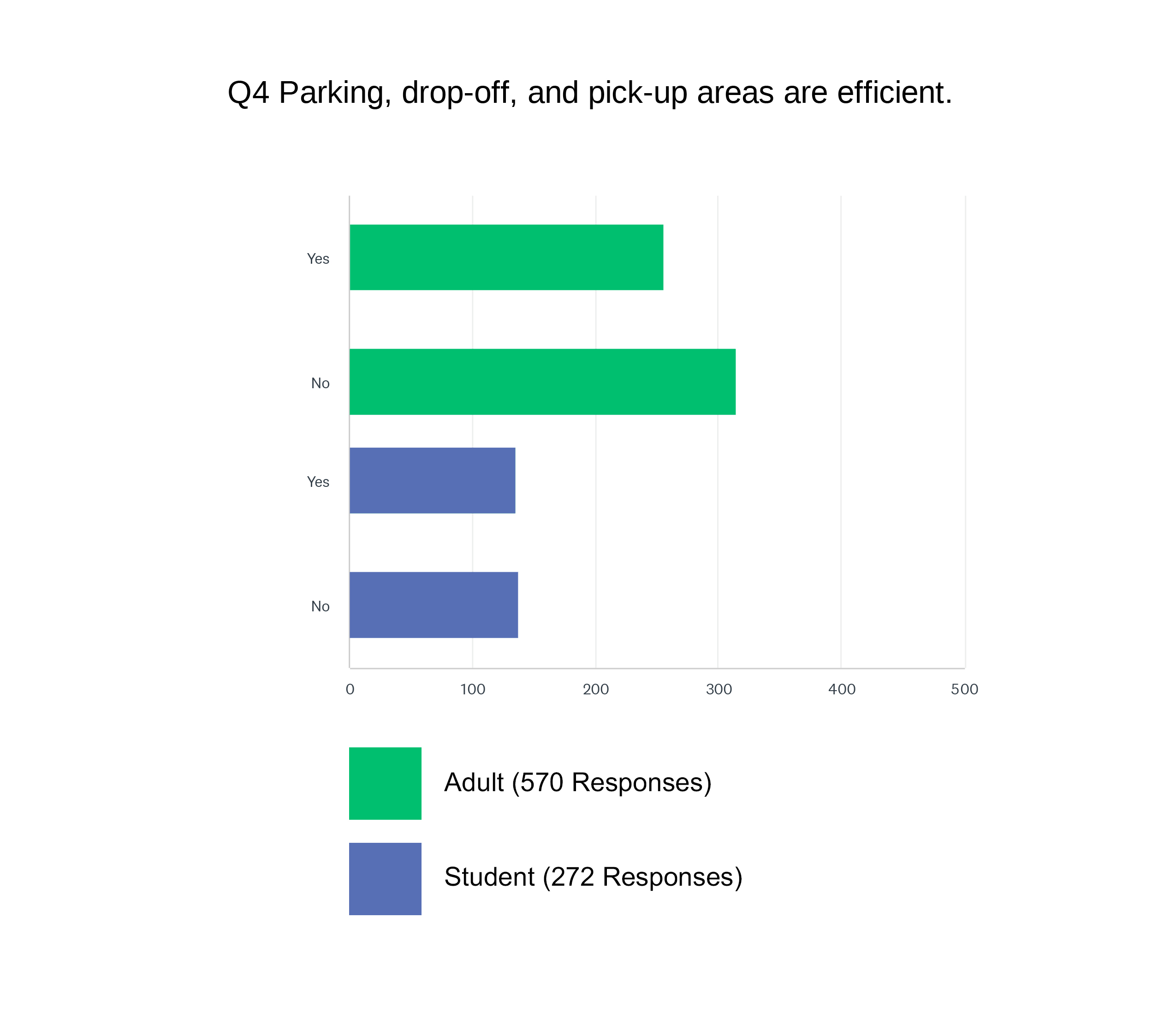
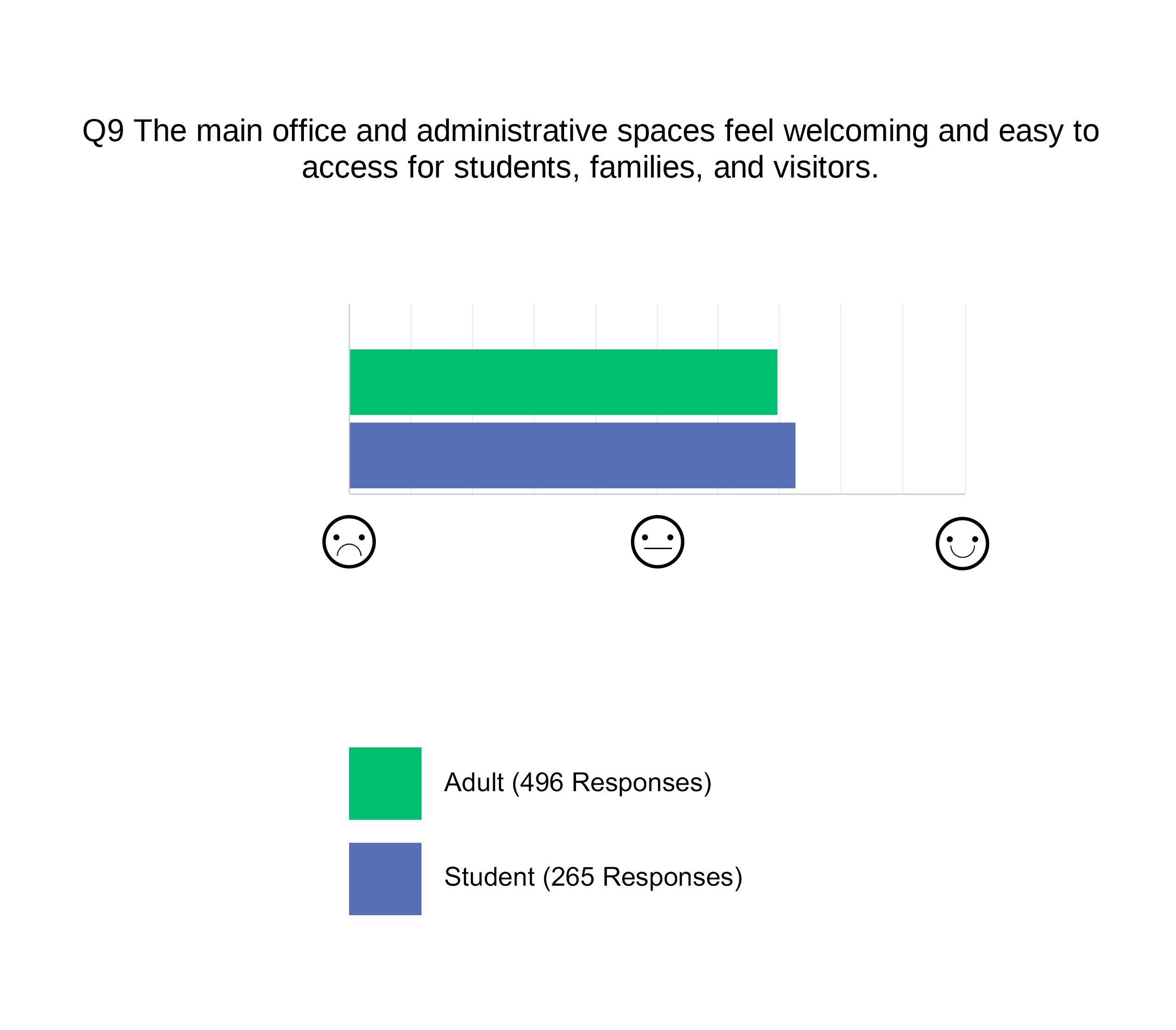
Example of survey answers:
Key Themes and Use of Community Input
Across both workshops and survey responses, community members emphasized the importance of safe and secure campuses, modern and flexible learning environments, and facilities that support student well-being. Feedback highlighted the need to address aging infrastructure, improve accessibility, enhance sustainability, and preserve neighborhood schools as centers of community identity and pride. Site-specific issues such as parking, circulation, and technology infrastructure were also identified.
Community input gathered through this engagement process will be considered alongside facility assessments and educational planning efforts to inform the development of a Facilities Master Plan that reflects District goals, supports student success, and aligns with community values.